Dollytics: Understanding Dolly Parton’s Apolitical Politics and Cultural Influence
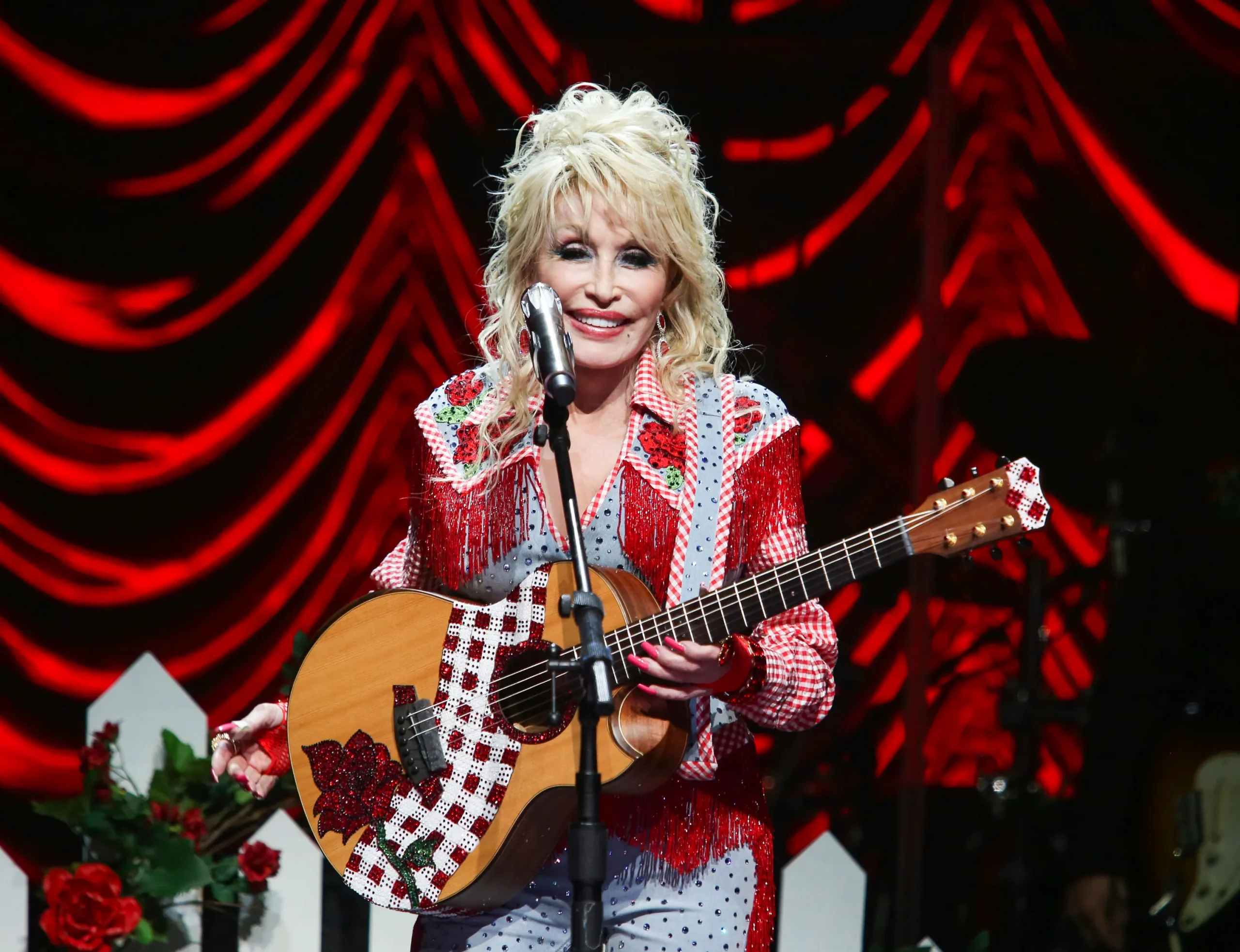
Dolly Parton, a beloved American cultural icon, has long maintained an intriguing equilibrium in the charged terrain of politics. Known not only for her chart-topping hits and larger-than-life persona, she also commands admiration for steering clear of overt political endorsements. This delicate approach, often described as “Dollytics,” avoids traditional partisan boundaries and instead focuses on values such as empathy, social justice, and community investment.
Her ability to engage meaningfully with social and political issues—without aligning publicly with political parties—has positioned Parton as a rare unifying figure in an increasingly polarised landscape. Rather than voicing ideological claims, Dolly Parton seems to model a non-binary approach to politics, rooted in humanism, pragmatism, and consistent compassion.
This post examines Dollytics in depth: what it is, how it works, who it affects, and the broader lessons it holds for political engagement across cultural contexts, including any relevance (or lack thereof) to the United Kingdom.
What is ‘Dollytics’? A Definition of Apolitical Advocacy
“Dollytics” is a term coined to describe Dolly Parton’s distinctive, non-confrontational but socially engaged political posture. Unlike many public figures, she rarely discusses elections, policy platforms, or party affiliations. Instead, her stance is defined by a consistent set of values that prioritise kindness, equality, and inclusion.
Dollytics embodies:
- Non-partisanship: Refusing to publicly endorse political candidates or parties.
- Value-driven advocacy: Supporting causes aligned with social justice without overtly politicising them.
- Empathetic pragmatism: Taking action based on compassion and communal wellbeing rather than ideological rigidity.
This distinctive stance allows Parton to navigate discussions of race, gender, class, and labour rights in a way that feels sincere, grounded, and accessible. Her often-quoted principle of “staying out of politics” belies a meaningful engagement with many progressive values, though she stops short of affiliating with political movements or leaders.
How Dollytics Works: Politics Through Action, Not Alignment
At the heart of Dollytics is a commitment to direct action instead of rhetorical political alignment. While avoiding overt partisan messaging, Parton hasn’t shied away from addressing real-world issues. She amplifies the voices of marginalised individuals, often through her creative work, philanthropic projects, and public statements.
Examples of how Dollytics has functioned in practice include:
-
Support for Black Lives Matter: In 2020, she stated unequivocally, “Do we think our little white asses are the only ones that matter?” This candid support, offered at the height of racial justice protests, reinforced a principled commitment to equality.
-
Rebranding Dollywood Attractions: In 2018, she removed the word “Dixie” from one of Dollywood’s attractions, recognising its Confederate associations. “As soon as you realise that [something] is a problem, you fix it,” she explained. “Don’t be a dumbass.”
-
Labour Advocacy Through Music: Her anthem “9 to 5” voiced systemic frustrations experienced by working women. Although used by Senator Elizabeth Warren’s campaign, Parton’s team stressed that they had not authorised the usage, preserving her politically neutral image.
-
Feminism and Ownership: From reclaiming the “dumb blonde” stereotype to maintaining ownership of her publishing rights, her approach to gender politics is assertive yet subtle, anchoring feminist credentials without polarising rhetoric. This mirrors in some ways the communications strategy used by other cultural figures who defy traditional political categorisation, such as Ricky Gervais with his unapologetically individualist stance: https://www.mypoliticalhub.com/uncategorized/ricky-gervais-politics-explained/
Dollytics thus functions as a socially conscious, ethically grounded mode of public engagement. It promotes shared values over division and action over agitation.
Overview of Key Political Stances and Actions
In order to understand how Dollytics operates in practice, it is useful to systematise Parton’s key actions and their underlying messages. The table below outlines major moments in her political engagement, focusing on the context and mode of involvement.
| Action/Event | Year | Underlying Message | Political Alignment |
|---|---|---|---|
| Support for Black Lives Matter | 2020 | Racial equality and recognition of systemic injustice | Progressive, Non-partisan |
| ‘Dixie’ removal from Dollywood | 2018 | Addressing historical symbols of racism | Progressive Reform |
| Refusal to allow “9 to 5” in campaigns | 2019 | Protecting non-partisan creative integrity | Politically neutral |
| Statements about feminism and self-ownership | Ongoing since 1966 | Empowerment and women’s agency | Feminist, Non-partisan |
As the table indicates, while the values behind these actions may align with progressive causes, they are consistently communicated without partisan packaging. This allows audiences from across the political spectrum to engage with her work and message without feeling excluded or attacked.
Warnings, Risks, and Political Calculations
Though Dollytics may be viewed as a savvy and compassionate model for public engagement, it is not without potential downsides. Critics might interpret her refusal to take clearer stances during times of political urgency as a form of negligence or avoidance. More tangibly, Parton herself has acknowledged that working with controversial public figures—such as Jane Fonda during the 1980s—posed clear career risks.
For example, her participation in the film 9 to 5 alongside Fonda, then known for her anti-Vietnam War activism, led to hesitancy among her core conservative fanbase. This collaboration, Parton admitted, represented a “political calculation,” weighing public image risks against the importance of the film’s message.
Such complex consequences of public alliances are reminiscent of similar dilemmas faced by artists like Winston Marshall, who navigated backlash and career disruption based on perceived political expression: https://www.mypoliticalhub.com/uncategorized/winston-marshall-politics-views/
Furthermore, she faces practical liabilities tied to the unintended political use of her creative work. The unauthorised use of 9 to 5 in political campaigns exemplifies this, raising legal questions over copyright and artistic autonomy.
Impact and Audience: Who Benefits From Dollytics?
Dollytics appeals across wide demographics, allowing audiences of differing political persuasions to interpret her work and messages without ideological friction. This wide acceptance has practical advantages:
- Cultural Unity: Her music, persona, and philanthropy serve as bridges between conservative and progressive sensibilities.
- Philanthropic Effectiveness: Supporting libraries, children’s welfare, and vaccine research, Parton manages to achieve real-world impact without inciting political backlash.
- Public Trust: Her honesty, consistent tone, and refusal to exploit divisive issues foster a rare level of cross-cultural trust.
Particularly in the context of the American South, where political divisions often overlap with cultural identities, her approach has helped maintain a continuous presence in national discourse while sidestepping polarisation.
Legal Framework and UK Relevance
While Dollytics is rooted in the American sociopolitical context, the broader model of non-binary advocacy may carry insights for public engagement strategies elsewhere. However, it is important to note that there is no formal relevance of Dolly Parton’s political approach under UK law or regulatory frameworks.
Key regulatory bodies in the United Kingdom include:
- Electoral Commission: Oversees campaign finance, political donations, and fair practices in electoral participation.
- Ofcom: Regulates content standards for broadcasting, including rules related to political impartiality in public service media.
- Advertising Standards Authority (ASA): Enforces guidelines concerning political advertising, especially where artistic content is used for promotion.
There is no documented involvement or scrutiny by UK authorities concerning Dolly Parton’s statements or political actions. Her work does not intersect with UK regulatory rules, and the copyright disputes arising from song use remain governed under US law. Consequently, while the principles behind Dollytics could inform public discourse strategies within the UK, no legal mechanisms or political controversies tied to her operate within British jurisdiction. The idea of global narratives shaping local political understanding also featured in our previous discussion of misinformation surrounding the Kosovo recognition story: https://www.mypoliticalhub.com/uncategorized/cnn-politics-denmark-kosovo/
Cultural Analysis: The Rise of Compassionate Centrism
What emerges from an analysis of Dollytics is a form of “compassionate centrism.” This philosophy promotes social progress and community support without leveraging partisanship. It avoids both the hostility associated with ideological purism and the vacuity of apolitical detachment.
In place of slogans and endorsements, Parton puts forth values-based messages centered on inclusion, decency, and shared responsibility. Doing so models a communicative strategy that reaches across conventional boundaries—a skill increasingly necessary in polarised environments.
Such approaches to bridge-building communication may also be found in high-level cultural commentary, as seen in Maigret: High Politics and its exploration of media and narrative power dynamics within British society: https://www.mypoliticalhub.com/uncategorized/maigret-high-politics-analysis/
Such a model is especially compelling at a time when celebrities frequently face untenable demands to pick a political side. By centering moral rather than political imperatives, Dollytics may offer a replicable framework for public figures seeking to speak out ethically and effectively.
Recommendations: Navigating Public Engagement Without Partisanship
Based on Dolly Parton’s approach, the following recommendations are put forth for public figures, communicators, and cultural leaders aiming for meaningful non-partisan impact:
- Focus on value-based expression: Highlight foundational human values rather than aligning with a particular political ideology.
- Take practical, visible action before advocacy: Pursue measurable outcomes—be it community fundraising, infrastructure building, or educational support—before making ideological statements.
- Maintain credibility through consistency: Avoid performative activism by grounding comments in sustained action and authentic principles.
- Prepare for scrutiny: Whether through unintended association or creative misappropriation, be ready to address how your work may be co-opted or challenged.
- Understand context-specific regulations**: Artists operating in different countries must consider the legal frameworks relevant to public messaging, especially concerning political content.
In doing so, public engagement becomes an act of community building rather than division—a hallmark of the Dollytics philosophy.
While Dolly Parton may never run for office or publicly endorse a political figure, her cross-cultural impact reveals the enormous political weight carried by values, actions, and consistency. The lesson isn’t one of neutrality, but of transcending traditional divides through shared humanity. For those navigating the complex worlds of fame or public discourse, Dollytics presents a quietly radical model rooted in care, thoughtfulness, and enduring appeal.
About The Author