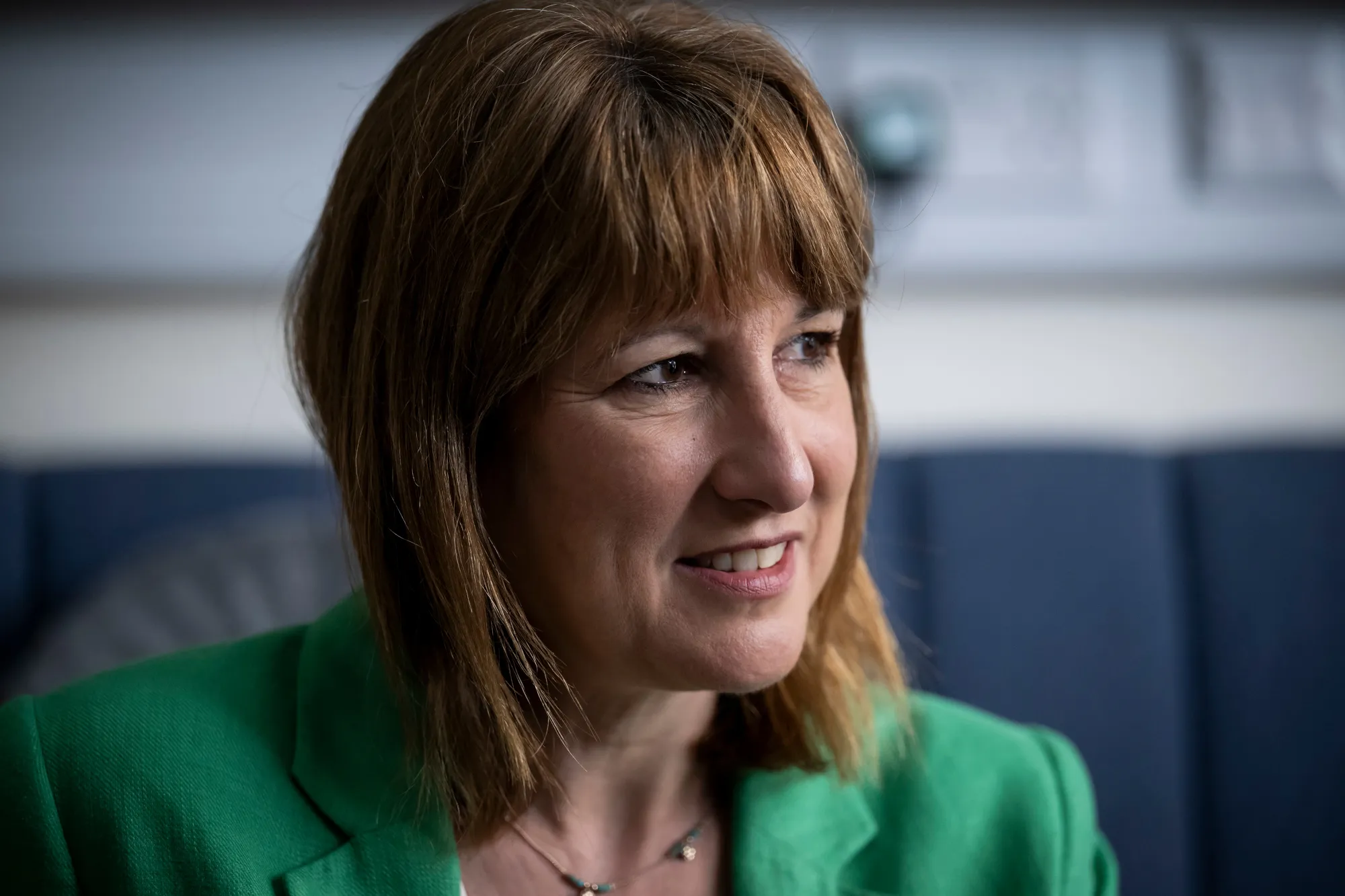
In the ever-evolving landscape of British politics, few figures have captured public attention as vibrantly as Rachel Reeves. Since stepping into the spotlight as a prominent Labour Party figure, Reeves has emerged as a crucial player, navigating the tumultuous waters of political discourse while advocating for progressive reform. Her journey is characterised not only by her dedication but also by her ability to resonate with the everyday concerns of constituents. This article delves deeply into her political path, influence, major policies, and the broader context in which she operates, drawing insights that appeal to both ardent followers of political discourse and casual observers alike.
Political dynamics in the UK have undergone a significant transformation in recent years, making it imperative to understand the role of key leaders. Rachel Reeves, the Labour Party’s Shadow Chancellor, stands at the forefront of these changes, representing a new wave of political leadership. Her progressive ideals, commitment to economic reform, and strategic approach to policymaking have set her apart from her contemporaries. As we explore her career, we will uncover vital insights into her leadership style and how it mirrors the aspirations of the electorate. The exploration will not only detail her background but also highlight her stance on critical issues affecting the nation today.
Political Landscape and Rachel Reeves’ Rise
Navigating the intricate web of British politics requires agility, insight, and a clear vision—qualities that Rachel Reeves embodies. Her ascent within the Labour Party is emblematic of a broader shift toward progressive policymaking. As a member of Parliament since 2010 and currently serving as the Shadow Chancellor, her roles have evolved, reflecting the ever-changing needs of society. Her educational background, coupled with practical experience in both the public and private sectors, provides her a unique perspective on fiscal responsibility and social equity—a balance she often emphasizes in her speeches and legislation.
In reflecting on these pivotal moments in her career, it becomes clear how Reeves has leveraged her various roles to advocate for policies that resonate with the public, such as a focus on economic recovery and social welfare reform. This trajectory not only cements her position within the Labour Party but also aligns her with the values and priorities of her constituents. Each role has built upon the last, allowing her to influence key discussions around economic recovery and social equity.
Key Policies and Initiatives
Rachel Reeves stands firmly on several key policy fronts, encapsulating her vision for a fairer, more inclusive society. These policies reflect her commitment to addressing pressing issues facing the UK, such as economic inequality, healthcare accessibility, and climate change. Below, we delve into some of her most critical initiatives, illustrating how they seek to reshape the landscape.
- Economic Recovery Plans: Advocating for substantial investment in green technologies and infrastructure to stimulate job growth.
- Social Welfare Reform: Ensuring that support systems are responsive to the needs of the most vulnerable populations.
- Climate Initiatives: Pushing for policies that emphasize sustainability and long-term environmental responsibility.
These initiatives not only underscore Reeves’ dedication to economic recovery but also demonstrate her broader vision for a sustainable future. Let’s explore these policies further through a comprehensive list.
Key Policies Overview
Reeves’ approach to policy-making is informed by her deep understanding of both macroeconomic principles and the lived experiences of working-class citizens. Here’s a closer look at some of her key policies:
- Investment in Green Technology
- Support for Small Businesses
- Increased Accessibility to Healthcare
- Youth Employment Programs
- Affordable Housing Initiatives
By focusing on these areas, Reeves aims to foster a more equitable society while addressing the root causes of economic disparities. Her policy proposals are not just theoretical; they are clear responses to the challenges facing ordinary citizens, making her an empathetic and relatable figure in politics.
Public Reception and Critiques
As with any political leader, Rachel Reeves has faced both support and criticism. Public reception often hinges on the effectiveness of her policies and communication style. The following insights reflect diverse perspectives from constituents and analysts alike, illustrating the complexity of her image in the political arena.
- Support from Local Constituents: Many in Leeds West appreciate her commitment to local issues, such as affordable housing and employment opportunities.
- Critiques on Policy Direction: Some analysts argue her economic policies are overly cautious, suggesting they lack the boldness needed to meet current challenges.
- Media Representation: The media has crafted various narratives around her, from presenting her as a capable leader to questioning her pragmatic approaches.
Understanding the nuances of public perception is vital for evaluating Rachel Reeves’ political capital. Engagement with constituents is critical, and negative perceptions can affect her ability to influence change. This juxtaposition highlights the ongoing challenges faced by politicians who must balance ambitious reform with the practicalities of electoral politics.
The Future of Rachel Reeves and the Labour Party
The Labour Party, under Rachel Reeves’ influence, represents a pivotal axis in shaping the future of British politics. As the political climate continues to shift, her leadership will likely play an essential role in determining the party’s trajectory. What lies ahead for both Reeves and the Labour Party?
- Strategic Alliances: Collaborating with other progressive groups to forge a united front on key issues.
- Adaptation to Voter Concerns: Remaining responsive to the evolving priorities of the electorate, especially post-pandemic.
- Continued Advocacy for Social Justice: Keeping the focus on fairness, especially in economic recovery plans.
Looking Ahead
In this time of uncertainty, Rachel Reeves’ influence on the Labour Party can either galvanize support or lead to further critiques depending on her strategic choices. Building strong alliances and actively listening to constituents will be crucial in shaping her legacy. The road ahead holds challenges and opportunities that require both courage and vision.
As we reflect on Rachel Reeves’ journey and her continuing impact on British politics, it’s clear that she embodies the complex interplay between aspiration and reality that defines contemporary governance. Her commitment to addressing fundamental issues, coupled with her innovative policy proposals, positions her as a formidable force in the Labour Party and beyond.
Engaging with multiple perspectives on her leadership can enrich our understanding of political dynamics and the pressing issues that shape our society. As we look toward the future, contemplating the implications of her policies and ongoing adaptations may inspire further debate and encourage collective action. In times of division, her story serves as a reminder that effective leadership rooted in empathy and responsiveness can pave the way for meaningful change.
About The Author