Angela Rippon: A Comprehensive Overview and Career Retrospective
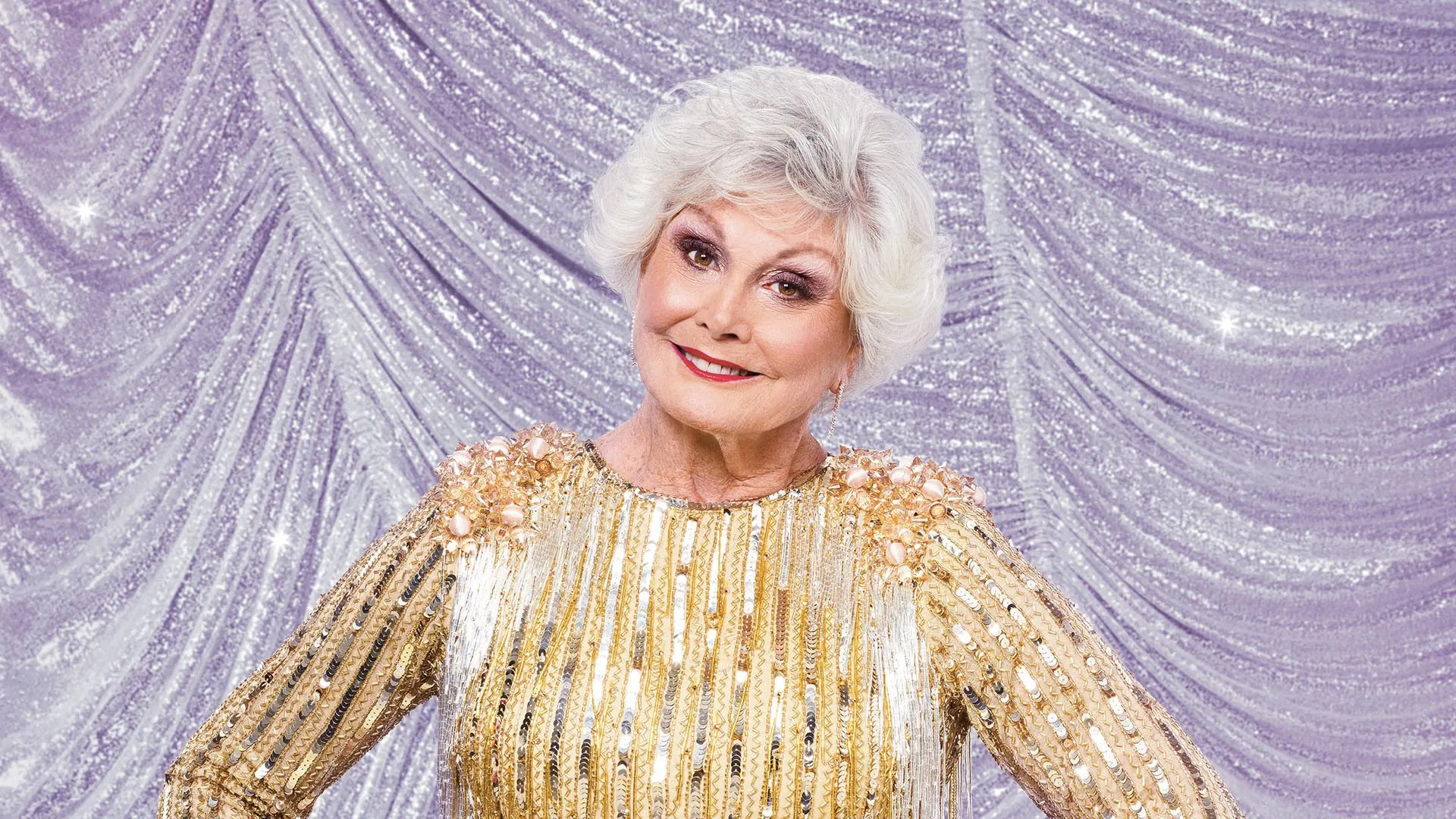
Angela Rippon stands as one of the most iconic and pioneering figures in British broadcast journalism. Known for her trailblazing roles and elegant broadcasting style, she shaped modern television reporting and broke significant gender barriers. Born on 12 October 1944 in Plymouth, Devon, Rippon’s evolution from local news to national fame is a testament to resilience, talent, and versatility – underpinned by her unwavering commitment to public service journalism and cultural progress.
Throughout her extensive and diverse career, she has continuously redefined her public persona, transitioning from news anchor to television presenter, radio host, dancer, and public health advocate. Her longevity and continued relevance in British media serve as a legacy that spans more than five decades. This article provides a deep dive into Angela Rippon’s background, her significance in British broadcasting, and her continuing contributions to cultural and public welfare efforts.
What is Angela Rippon Known For?
Angela Rippon is primarily recognised for being one of the first female newsreaders on British national television. Her 1975 appointment to BBC One’s Nine O’Clock News was a monumental step for women in journalism. This role marked her as the BBC’s first permanent female presenter on a national news broadcast, a position earned during an era where the media industry was dominantly male-centric.
Though other female broadcasters had appeared in news roles before her – Barbara Mandell for ITN in 1955, Nan Winton for the BBC in 1960 (albeit temporarily), and Mary Marquis in Scotland – Rippon was the first to secure a long-term, respected seat on national BBC television news. This anchor role catapulted her into the national spotlight, leading to numerous opportunities in both journalism and entertainment.
How Angela Rippon’s Career Developed
Early Journalism and Regional Work
Rippon started her media career in her native southwest England, initially working with BBC South West. During the late 1960s and early 1970s, she presented both radio and television news programmes, sharpening her on-air presence and editorial judgement. Her capabilities in storytelling and presentation attracted BBC executives, who were seeking fresh faces for the evolving national news landscape.
BBC One’s Nine O’Clock News
In 1975, Angela Rippon was chosen to present the Nine O’Clock News on BBC One. This decision was no small feat. At the time, female presenters were generally relegated to light news or feature segments. By securing a prime-time news slot, Rippon changed public perception about the role of women in delivering serious journalism. She soon became a household name and a trusted figure ushering the nation through current events each evening.
A Cultural Touchstone: Morecambe & Wise
Perhaps one of Rippon’s most culturally memorable moments came outside the newsroom. In 1976, she made a surprising and entertaining appearance on the Morecambe & Wise Christmas special. Audiences were stunned when the generally reserved newsreader leapt from behind her desk and executed a flawlessly elegant high-kick during a choreographed routine. This moment struck a chord across the UK, blending humour, grace, and surprise, and confirming Rippon’s multifaceted talent. This blend of entertainment with cultural commentary has parallels with media personalities like Winston Marshall, who also transitioned publicly from traditional roles into broader cultural discourse.
A Versatile Career in Television and Radio
Over the years, Angela Rippon broadened her broadcasting scope extensively. From 1990 to 1994, she anchored Angela Rippon’s Morning Report on LBC Newstalk – a current affairs and public interest show – and later hosted Angela Rippon’s Drivetime. Her radio presence demonstrated her apt gift for conversational delivery and drew significant listenership across Greater London and beyond.
On television, she added further credits to her name:
- Antiques Roadshow – Showcasing historical and personal artefacts from across the country.
- Top Gear – An early iteration of the famous motoring programme, positioning Rippon as an early advocate for female engagement in traditional male domains like car culture.
- Rip Off Britain – A consumer rights series helping people recoup money and challenge business malpractice.
- The Big Breakfast – As a stand-in newsreader, Rippon brought gravitas to this otherwise irreverent morning programme until 2002.
Rippon’s work in investigative and consumer-focused television such as Rip Off Britain resonates with wider modern trends in media accountability and UK fact check politics – where public trust hinges on transparent, ethical reporting and advocacy.
A Timeline of Key Career Milestones
The trajectory of Rippon’s professional life can be better understood with a chronological outline of her major achievements and public roles across broadcasting and public engagements.
| Year | Milestone |
|---|---|
| 1960s | Began career in regional news for BBC South West England |
| 1975 | Became first regular female newsreader on BBC national television |
| 1976 | Performed iconic dance routine on Morecambe & Wise Christmas Special |
| 1990 – 1994 | Hosted Morning Report on LBC Newstalk |
| 2002 | Concluded work with The Big Breakfast |
| 2010s – Present | Fronted Rip Off Britain and other consumer programs |
| 2023 | Became the oldest contestant on Strictly Come Dancing at 79 |
The timeline underscores Rippon’s adaptability and continued public relevance, with consistent involvement in high-profile projects through each decade. Her long-standing broadcasting legacy has echoes with British television drama and legacy figures explored in pieces like Maigret: High Politics, where media intersects with power and evolving cultural identity.
Passion for Dance and Wellbeing
Rippon’s connection with dance goes back to childhood, where she trained in ballet – a practice she defended throughout her life for its discipline and health benefits. Her passion re-emerged prominently in her seventies when she became the oldest contestant ever on Strictly Come Dancing, around 2023.
Her performance on the show not only inspired older generations but challenged stereotypes around age and physicality. She advocated a message that staying fit and engaged transcends age, encouraging men and women in their seventies and beyond to participate in physical activity.
Moreover, Rippon has led the Let’s Dance! campaign across the UK. This national movement seeks to increase physical and mental activity in older communities through dance – promoting coordination, cardiovascular health, and social integration. It exemplifies her transition from broadcaster to health advocate and her understanding of the media platform as a vehicle for real social impact. Her style of cultural influence mirrors broader non-partisan advocacy models such as Dolly Parton’s politics, where personal upbringing and fame are leveraged to support community well-being.
Honours, Charitable Service, and Ambassador Roles
Beyond broadcasting, Rippon has earned institutional recognition for her contributions to public life. She was awarded an OBE (Officer of the Order of the British Empire), a prestigious honour in the UK given for distinguished service in arts and media.
She also serves as an ambassador for the Alzheimer’s Society, raising awareness and funding for dementia-related conditions. Her empathetic and authoritative voice has been vital in campaigns focused on improving recognition, diagnosis, and treatment of Alzheimer’s and other cognitive disorders among ageing populations.
Her involvement in public initiatives, particularly those aimed at older demographics, highlights her unwavering commitment to public welfare that extends far beyond the television studio. This type of celebrity-driven influence in health advocacy has become a defining force in modern media, parallel to figures like Catherine O’Hara, who similarly use their platforms for important social issues.
Vulnerabilities: Personal Security Concerns
Being a public figure doesn’t come without personal risk. Angela Rippon has been a victim of two alarming incidents relating to street crime and personal safety.
- In March 2000, she was mugged in Notting Hill, with her handbag and credit cards stolen by street assailants.
- In December 2001, a more threatening encounter took place. Two individuals confronted her, forcibly stealing personal items including a Rolex watch and diamond earrings.
These incidents exposed the vulnerability even prominent public figures face. Rippon has since advocated for personal safety awareness, especially in urban areas. Her experiences raise broader conversations about security for elder women living independently in metropolitan environments.
Angela Rippon: Who Her Life and Work Influence
Angela Rippon has had a marked impact on various groups:
- Women in Journalism – By breaking the gender barrier at the BBC, she has served as a role model for aspiring female journalists.
- Older Adults – Her active public life into her seventies and eighties proves age is not a disqualifier for performance, experience, or opportunity.
- People Affected by Alzheimer’s – Her involvement in advocacy has improved public understanding and compassion for those living with dementia.
- Dance and Fitness Advocates – Through *Let’s Dance!* and *Strictly Come Dancing*, Rippon has provided hope and inspiration for individuals reluctant to engage in exercise later in life.
Practical Lessons from Angela Rippon’s Example
While her career is individually remarkable, it yields several universal learnings:
- Advocacy can extend well beyond original career lines. Transitioning from news to health and social issues shows lifelong relevance.
- Public platforms come with responsibility. Rippon uses hers to support both awareness and education on national issues.
- Physical activity in older age is possible and vital. Rippon’s involvement in professional-level dance in her seventies showcases the potential of the ageing body and mind.
- Security remains an important issue for older celebrities and citizens alike. Her personal experiences underscore the need for vigilance and robust support for elderly populations.
Angela Rippon’s journey from a regional reporter to a national treasure offers a blueprint for resilience, adaptability, and purpose in media and public life. She remains an exceptional example of how age, gender, and shifting public interests can all be navigated with grace, professionalism, and evolving intent. Those navigating careers in media, advocacy, or even personal development can draw enduring inspiration from her life.
About The Author