Understanding the Insurrection Act: History, Authority, and Implementation
The Insurrection Act is a significant—and often controversial—piece of United States federal legislation that grants the president extraordinary powers to deploy military forces within the country’s borders under specific conditions. As such, it stands as one of the few legal avenues that override the general prohibition on the domestic use of the military under the Posse Comitatus Act. Its existence and potential application raise serious constitutional, civil rights, and rule-of-law considerations. This article explores the origins, provisions, limitations, legal implications, and contemporary debates regarding the Act, providing a thorough understanding for legal professionals, policy analysts, and concerned citizens.
What is the Insurrection Act?
The Insurrection Act is a federal law codified at 10 U.S.C. §§ 251–255 that authorises the President of the United States to deploy federal armed forces, including both active-duty military and National Guard troops, domestically. This can occur under certain defined circumstances, such as when civil unrest, rebellion, or obstruction of justice makes it impossible for state or local authorities to maintain order or enforce federal laws.
It represents a rare statutory exception to the Posse Comitatus Act of 1878, which otherwise restricts the use of the U.S. military for domestic law enforcement activities without explicit Congressional approval. In essence, the Insurrection Act is the legal tool that allows the federal government to override this general prohibition under extreme internal strife.
Historical Origins and Legislative Development
The Insurrection Act is not a singular statue originally passed in 1807, as it is often mischaracterised. Instead, it is a cumulative framework developed from multiple statutes enacted between 1792 and 1871. These laws were originally based on Article I, Section 8 of the U.S. Constitution, which grants Congress the authority to “call forth the Militia to execute the Laws of the Union, suppress Insurrections and repel Invasions.”
The earliest iterations from 1792 and 1807 aimed to give the federal government the capacity to respond when state militias failed to prevent unrest or rebellion. It was significantly amended during and after the Civil War, particularly through the Enforcement Acts of the 1870s, to tackle post-war violence against African Americans and circumvent state resistance to federal civil rights enforcement.
Notably, during the 1950s and 1960s, Presidents Eisenhower and Kennedy leveraged this statute to enforce school desegregation efforts in the South. This showcased its continued relevance for federal civil rights interventions.
Key Provisions and How the Act Works
The Insurrection Act consists of five main sections, but the operational authority primarily resides in Sections 251, 252, and 253. Each provision outlines different criteria under which military deployment can be initiated.
The legal framework is summarised below:
| Section | Conditions for Deployment | State Request Required? |
|---|---|---|
| § 251 | Permits deployment to suppress insurrection against a state’s government, but only upon request from the state’s legislature or governor (if the legislature is unavailable). | Yes |
| § 252 | Authorises federal intervention to enforce U.S. laws or suppress rebellion/obstruction when ordinary judicial processes become impracticable due to “unlawful obstructions, combinations, or assemblages”. | No |
| § 253 | Allows use of force to suppress insurrection, violence, or conspiracies that deprive constitutional rights, or to oppose federal law if state/local authorities are unable or unwilling to act. | No |
Additionally, Section 254 requires the president to first issue a public proclamation ordering those engaged in unlawful activity to disperse and return to their homes peacefully. Only after such a proclamation has been ignored can the president formally deploy troops under the Act.
Warnings and Limitations
Despite giving the executive branch a powerful tool, the Insurrection Act is not unlimited. Legal interpretations and precedent—as well as internal Department of Justice (DOJ) guidance—have imposed important qualifiers on how and when the statute can be employed.
Legal and Policy Constraints
- No ability to declare martial law: The statute does not explicitly grant the ability to declare martial law, although military presence under the Act can involve enforcement of civil laws.
- Judicial impracticability: Section 252 requires a demonstrable obstruction which makes normal law enforcement or court orders ineffective or impossible to carry out. This is a critical threshold.
- Public proclamation prior to use: Section 254 adds a procedural safeguard, ensuring that deployment is a last resort.
- Department of Justice Memorandum (1964): This internal document advises limited use of the Act, mostly in response to state requests, federal court orders being obstructed, or total breakdowns in local law enforcement response.
In addition, §§ 252 and 253 authorise use of the military even against a state’s wishes, introducing a significant challenge to federalism and the rights of states to manage their own security matters.
Who is Most Affected?
The Insurrection Act has considerable implications for a range of stakeholders, depending on how and when it is invoked. Because its application often accompanies crises or national emergencies, the consequences can vary widely.
- State Governors and Legislatures: Their authority can be circumvented, especially under §§ 252 and 253. This can create tensions between federal oversight and state autonomy.
- Civilians: Individuals engaged in protests or civil disobedience may find themselves subject to federal intervention, sometimes with military presence, raising serious civil liberties questions.
- Law Enforcement Agencies: Both federal and local agencies must coordinate, which may lead to jurisdictional confusion or conflict during deployment.
- Minority Communities: Historically, Black communities and civil rights movements have been disproportionately impacted by both the use and threatened use of federal force under this law. This mirrors broader discussions about racial bias and public discourse, as seen in the controversial political commentary surrounding figures like Scott Adams.
- Judiciary: Courts may ultimately be required to interpret the legality and scope of deployments, adding a further layer of complexity during fast-moving civil disorders.
Past Examples and Contemporary Context
While the law has not been frequently invoked, there are several historic cases that demonstrate how the government has used this tool in practice.
- Little Rock, Arkansas (1957): President Eisenhower sent the 101st Airborne Division to enforce the desegregation of Central High School after local officials refused to comply with Brown v. Board of Education.
- Detroit Riot (1967): President Lyndon Johnson deployed federal troops during urban unrest as a response to local authorities being overwhelmed.
- Los Angeles Riots (1992): President George H. W. Bush used the law following the Rodney King verdict, at the request of the California governor.
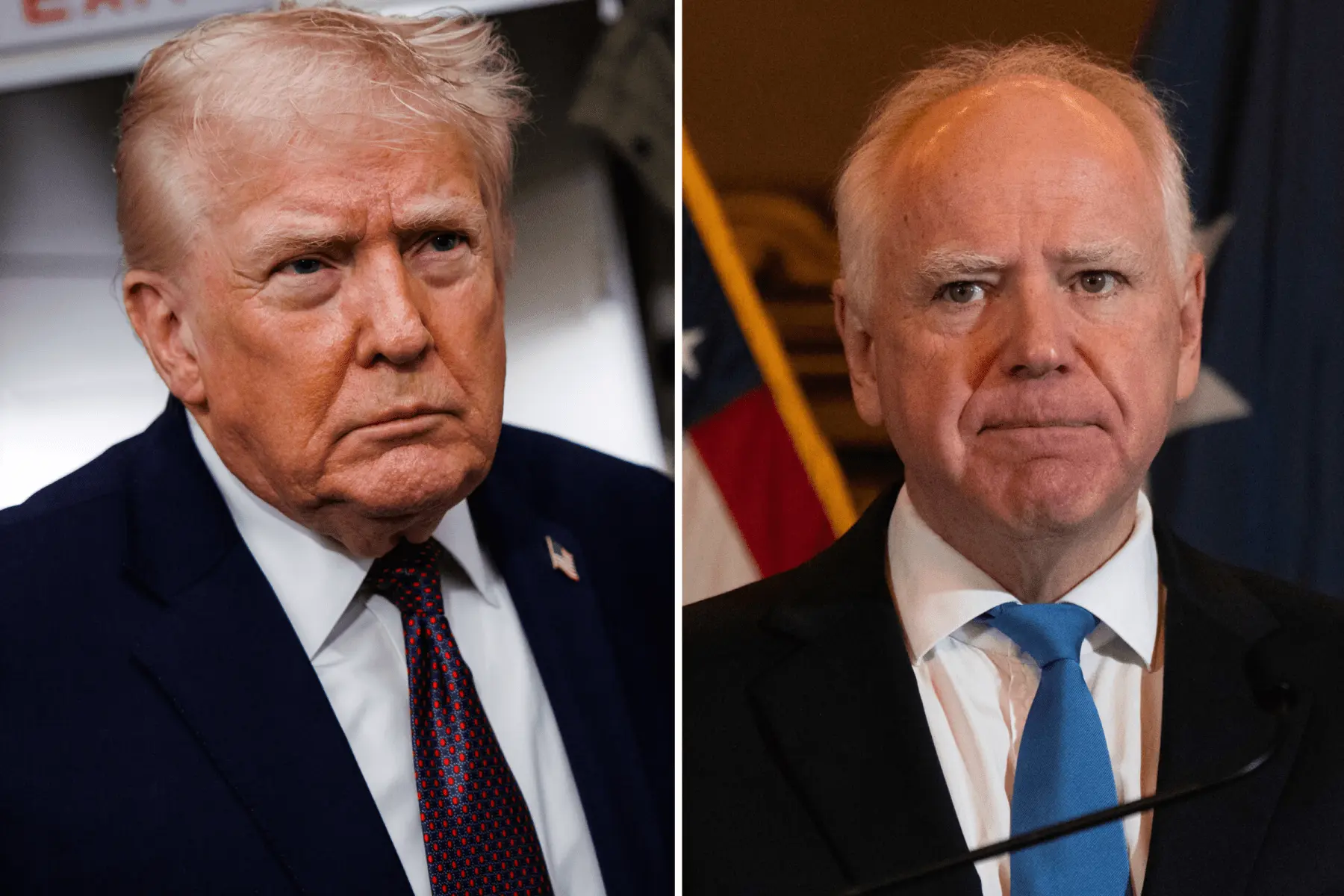
- Threat during George Floyd Protests (2020): President Donald Trump publicly threatened to invoke the Insurrection Act during national demonstrations, sparking legal and constitutional debates about potential misuse. These threats formed part of a wider conversation around the use of political messaging during civil unrest, which has parallels in discussions about disinformation in modern media.
These examples showcase both its rare utilisation and the significant civil-military tensions it can provoke.
Reform Efforts and Current Legislative Proposals
As of the 119th Congress (2025–2026), new legislative momentum is being gained to revisit the Insurrection Act’s scope. The Insurrection Act of 2025 (S.2070) proposes adjustments to limit the broad discretion currently afforded to the executive. Among its suggested reforms are:
- Requirements for Congressional notification and review when the Act is invoked unilaterally by the president.
- Clearer definitions of key terms like “insurrection” and “domestic violence.”
- Time-bound use of armed forces, after which Congressional reauthorisation would be necessary.
Legal scholars and civil liberties organisations have raised concerns that the existing statute is outdated and too open to interpretation, creating risks for abuse or politically motivated enforcement. The debate continues over whether updates should strike a balance between necessary federal authority and safeguarding democratic institutions.
Recommendations for Safeguarding Civil Liberties
Given the gravity of deploying armed forces within a democracy, precautions should be taken to ensure the Insurrection Act is only exercised under truly exceptional and justified circumstances.
- Transparent Criteria: A clear and public framework should define when judicial processes are considered “impracticable.”
- Congressional Oversight: Any long-term or multi-state deployment should trigger mandatory Congressional review and approval within a set window (e.g., 48 or 72 hours).
- Independent Review Panels: Civilian-led bodies could be instituted to retrospectively assess the justification and conduct of any military deployment under the Act.
- Training and Doctrine: Specific training must be provided to federal troops concerning domestic law enforcement rules of engagement and people’s constitutional rights.
- State-Federal Coordination: Uniform protocols should be agreed upon in advance between federal agencies and state governments for crisis scenarios.
Relationship to the UK Legal Context
Though the Insurrection Act is U.S. legislation, its principles and implications can be tangentially compared to UK laws regarding military aid to the civil power (MACP). In the United Kingdom, the domestic deployment of military forces is governed by constitutional principles rather than written statutes like the Insurrection Act.
Deployments occur under Royal Prerogative powers and with the guidance of the Ministry of Defence, usually in response to terrorist threats (e.g., Operation Temperer from 2015) or national logistics emergencies. Importantly, the UK’s usage remains limited, subject to political scrutiny, and operated under the principles of necessity, proportionality, and legality.
Although there is no Posse Comitatus equivalent in the UK, the broader constitutional norms ensure that military action on British soil is carefully constrained and rarely invoked for civil control. Similarly, this raises important questions around the balance between executive power and civil rights, much like those explored in free speech controversies involving public figures like Ricky Gervais, where passions around legal boundaries and expression also play out.
Careful study of the U.S. Insurrection Act provides a cautionary counterpoint to those in the UK advocating greater executive powers during unrest or emergencies.
By carefully considering the history, application, criticisms, and recommendations for reform, it becomes apparent that the Insurrection Act, while legally functional, must be utilised with exceptional care and full transparency. Governments—both federal and state—must ensure that its invocation remains consistent with democratic accountability, the rule of law, and the protection of civil rights, rather than being viewed as an easy solution to political or social disruption. Understanding its exact parameters and potential for misuse is critical for law-makers, civil society, and the public alike.
About The Author