
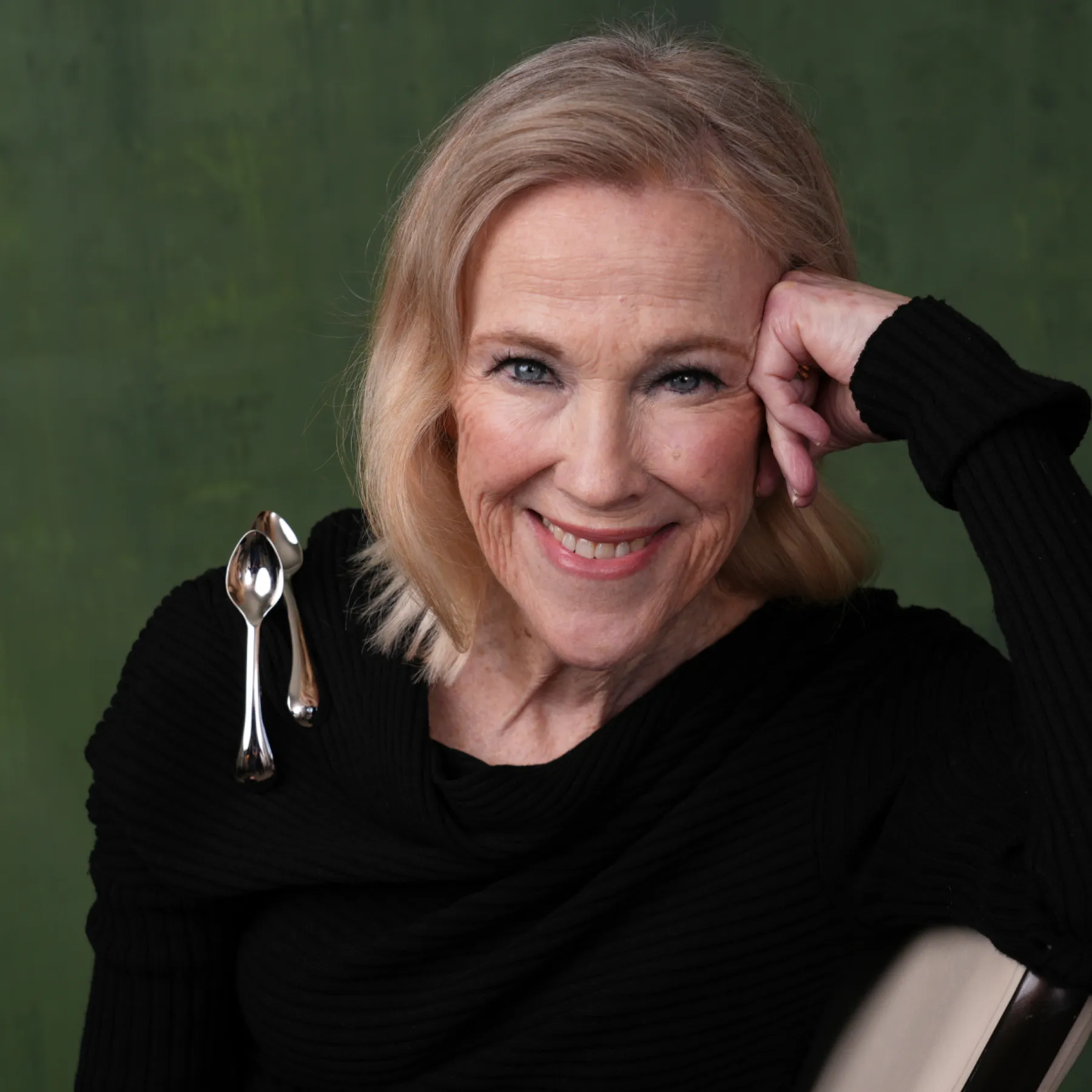
Catherine O’Hara’s Political Views: What Has She Said and Why It Matters
Catherine O’Hara, a highly respected actress known for her comedic brilliance and iconic roles in projects such as Home Alone and Schitt’s Creek, rarely enters the political spotlight. However, recent developments have compelled her to openly share her views, particularly in relation to U.S.-Canada relations and women’s safety in the current political climate. While O’Hara tends to keep a low profile when it comes to partisan affiliations, her recent remarks shed light on her values and concerns.
This article explores Catherine O’Hara’s public political statements, the context behind them, and why her voice resonates beyond the borders of entertainment. As an accomplished public figure with both Canadian and U.S. citizenship, O’Hara offers a unique transnational perspective on pressing political issues. The overview includes an explanation of what she has said, the mechanisms that brought these comments to the public eye, who may be affected or moved by her stance, as well as recommendations on how public figures and citizens alike can navigate such political discourse.
What Are Catherine O’Hara’s Political Statements?
Catherine O’Hara’s political comments have come in response to international political developments and shifts in the societal tone in North America. Despite her focus on acting and comedy throughout her career, these public remarks reveal a strong sense of national identity and concern for human rights.
Most notably, in March 2025, O’Hara publicly spoke out against former U.S. President Donald Trump’s controversial suggestion that Canada should become the 51st state of the United States. She characterised the proposition as deeply unsettling, stating it “makes my skin crawl.” This pointed remark received considerable media attention and was quickly interpreted as a defence of Canadian sovereignty.
Her concern wasn’t rooted merely in nationalism but also in the implications such a political manoeuvre could have on Canada’s identity, policies, and social values. Interestingly, she admitted that the suggestion had at least one unexpected effect: it unified Canadians and boosted national pride. This sentiment around national sovereignty and cultural preservation echoes themes discussed in other political commentary, such as those explored in Winston Marshall’s reflections on nationalism and cultural identity.
Additionally, O’Hara raised concern about the broader political climate, particularly how it affects social safety and gender equality. In a May 2025 appearance on Unwrapped, a podcast hosted by TheWrap, O’Hara stated that the “political climate scares me for women.” This statement was made in relation to her broader critique of shifting societal norms and policy changes that could affect privacy, reproductive rights, and public safety for women. Similar unease has been voiced by other entertainers who frame their advocacy outside partisan terms, like Dolly Parton’s approach to non-partisan advocacy, offering a broader perspective on how public figures influence cultural conversations.
How These Statements Came to Light
Public figures increasingly use interviews, podcasts, and public appearances to share views that transcend their usual professional domains. In O’Hara’s case, her candid comments were first captured and amplified by widely read publications such as Parade and The Daily Beast. She delivered these views in response to targeted questions about political issues and during broader conversations about identity, belonging, and activism.
This mechanism – the media interview – allows entertainment personalities like O’Hara to shape political discourse, even inadvertently. Fans and followers often engage more deeply when celebrities step beyond traditional entertainment segments to discuss real-world issues, especially when those opinions reflect shared anxieties or perspectives. This dynamic was similarly evident in Scott Adams’s transformation from comic artist to cultural commentator, where personal views ended up sparking polarised public engagement.
Moreover, digital platforms and social media have made such excerpts go viral, expanding their reach. While O’Hara hasn’t maintained a major public presence on social media herself, the publication of her remarks through mainstream media has ensured wide dissemination.
Key Statements Made by Catherine O’Hara
Below is a summary list of Catherine O’Hara’s most publicly discussed political statements, including contextual triggers and when and where they were made:
Notable Political Comments by Catherine O’Hara
• “The idea [of Canada as the 51st state] makes my skin crawl.”
• “It’s terrifying, but it’s unifying Canadians.”
• “Right now, the political climate scares me for women.”
• [Regarding her identity] “I’m dual, but I love Ontario. I want to be here.”
Each of these statements ties into larger political conversations about sovereignty, national identity, women’s rights, and the responsibilities of public personalities in times of political unrest.
Broader Interpretations and Cultural Relevance
O’Hara’s critique of the hypothetical idea that Canada could become a U.S. state taps into a historic sensitivity Canadians feel about their independence from American influence. While the notion was likely raised facetiously by Donald Trump, O’Hara’s visceral reaction reflects how easily such rhetoric can provoke concern, especially in complex geopolitical times.
The perception that American politics might impose itself upon neighbouring countries is not new. Many Canadians are wary of being subsumed by U.S. cultural or political agendas. O’Hara, having lived and worked extensively in the United States, approaches this concern not only from a distance but also with intimate knowledge of both nations’ values and social priorities.
Her comment about the “frightening” climate for women reflects a broader concern that many women in North America – and worldwide – share. From reproductive rights debates to public safety, O’Hara indicated that policies and political discourse related to women’s autonomy and well-being were increasingly under threat. Her remarks align with wider fears expressed during politically volatile times, especially when civil liberties are debated—an issue explored in detail in the context of presidential emergency powers in this guide on the Insurrection Act.
By speaking out, O’Hara positions herself among a growing number of public figures who are not activists or politicians by trade but nonetheless contribute meaningfully to public conversation.
Who Is Affected By These Statements?
O’Hara’s statements are unlikely to change policy directly, but they are important in shaping cultural discourse. Various segments of the population may be particularly impacted by or responsive to her commentary:
• Canadians – Especially those concerned about the erosion of Canadian sovereignty or increased U.S. influence.
• Dual Citizens – Individuals who hold both Canadian and U.S. citizenship may relate to O’Hara’s expressed preference for returning to or remaining in Canada in light of political developments.
• Women and Advocacy Groups – Her acknowledgment of the heightened fear in the political climate for women resonates strongly with gender equality movements and advocacy organisations.
• Media and Entertainment Followers – Celebrities speaking outside their field often attract widespread attention, potentially influencing fan perspectives or motivating civic engagement.
• Politicians and Advisors – Comments like those from O’Hara can serve as cultural signals, indicating public sentiment or values that resonate with specific constituencies.
Potential Risks of Political Engagement by Celebrities
While it may appear empowering for public figures to speak their minds, doing so carries risks. Statements interpreted as political can alienate portions of an audience, affect sponsor relationships, or lead to backlash from influential commentators or media outlets.
Additionally, when entertainers enter political discourse, there is often scrutiny regarding their authority or expertise. Critics may argue that fame does not equate to informed opinion, and celebrities walk a fine line between personal expression and public responsibility.
However, figures like O’Hara tend not to overstep this boundary. Her remarks have been carefully expressed, grounded in personal sentiment, and free of overt political campaigning. This balance can serve as a model for other public personalities. Another example who has walked this fine line with mixed public reception is Ricky Gervais, whose commentary on liberalism and free speech mirrors the careful, often ironic delivery of politicised opinions without full partisan alignment.
Understanding Through a Comparative Framework
To better understand the relevance of celebrity political commentary like O’Hara’s, it helps to look at how these dynamics play out in different jurisdictions, particularly the UK where the culture surrounding political engagement and free speech differs from North America.
| Country | Legal Framework on Public Speech | Cultural Stance on Celebrity Political Advocacy | Recent Examples |
|---|---|---|---|
| United Kingdom | Protected under the Human Rights Act 1998, Article 10 | Generally restrained; high value placed on reserving opinions in public roles | Emma Thompson criticising Brexit policies |
| United States | Strong First Amendment protection | Encouraged and often highly polarised | Taylor Swift on reproductive rights and elections |
| Canada | Protected by the Canadian Charter of Rights and Freedoms | Moderately engaged, polite discourse expected | Ryan Reynolds advocating for vaccine confidence |
From this comparison, it becomes clear that cultural frameworks deeply affect how celebrity political speech is received. While O’Hara’s comments might provoke stronger reactions in the U.S., her Canadian roots and media exposure ensure her perspective is given thoughtful attention globally.
How Individuals and Society Can Respond
For the average citizen or follower of Catherine O’Hara, these statements can serve as a prompt to reflect:
• Assess Reliable Sources – Understand the full context of any public commentary through reputable news reports or original interviews.
• Recognise Thoughtful Expression – Distinguish between reactionary posts and carefully considered views, particularly where public safety or identity is concerned.
• Engage Civilly – Public disagreement or support can be exercised respectfully. Healthy democratic discourse includes a diversity of opinions.
• Track Policy Impact – If concerns about women’s safety or national sovereignty resonate, look to local legislative changes or organisational actions that may reinforce or address those issues.
It’s also important to remember that celebrities, at their best, can reflect societal concerns, give voice to shared anxieties, and encourage informed conversations.
As of now, Catherine O’Hara has not aligned herself publicly with a specific political party or campaign. Her comments centre on personal values, national identity, and broader social safety rather than advocating for policy or political office. In this way, her participation in political discourse remains powerful yet measured.
In conclusion, Catherine O’Hara’s publicly stated opinions reflect her deep attachment to Canadian identity, concern about cross-border political suggestions, and wariness of threats facing women today. Her ability to express concern thoughtfully without resorting to divisive rhetoric has won her both media attention and public respect. While her celebrity amplifies her views, it is the sincerity and cultural relevance of her expressions that make them endure in public discourse. Individual citizens, especially those navigating complex transnational identities or social justice concerns, can look to such statements as a starting point for conversation rather than a conclusion. Careful listening, civic participation, and mutual respect remain paramount, in the spirit of truly democratic engagement.
About The Author


Great post; I acquire a lot from this web blog; it’s really user-friendly.
Especially the part about Shaun White politics, thank you!