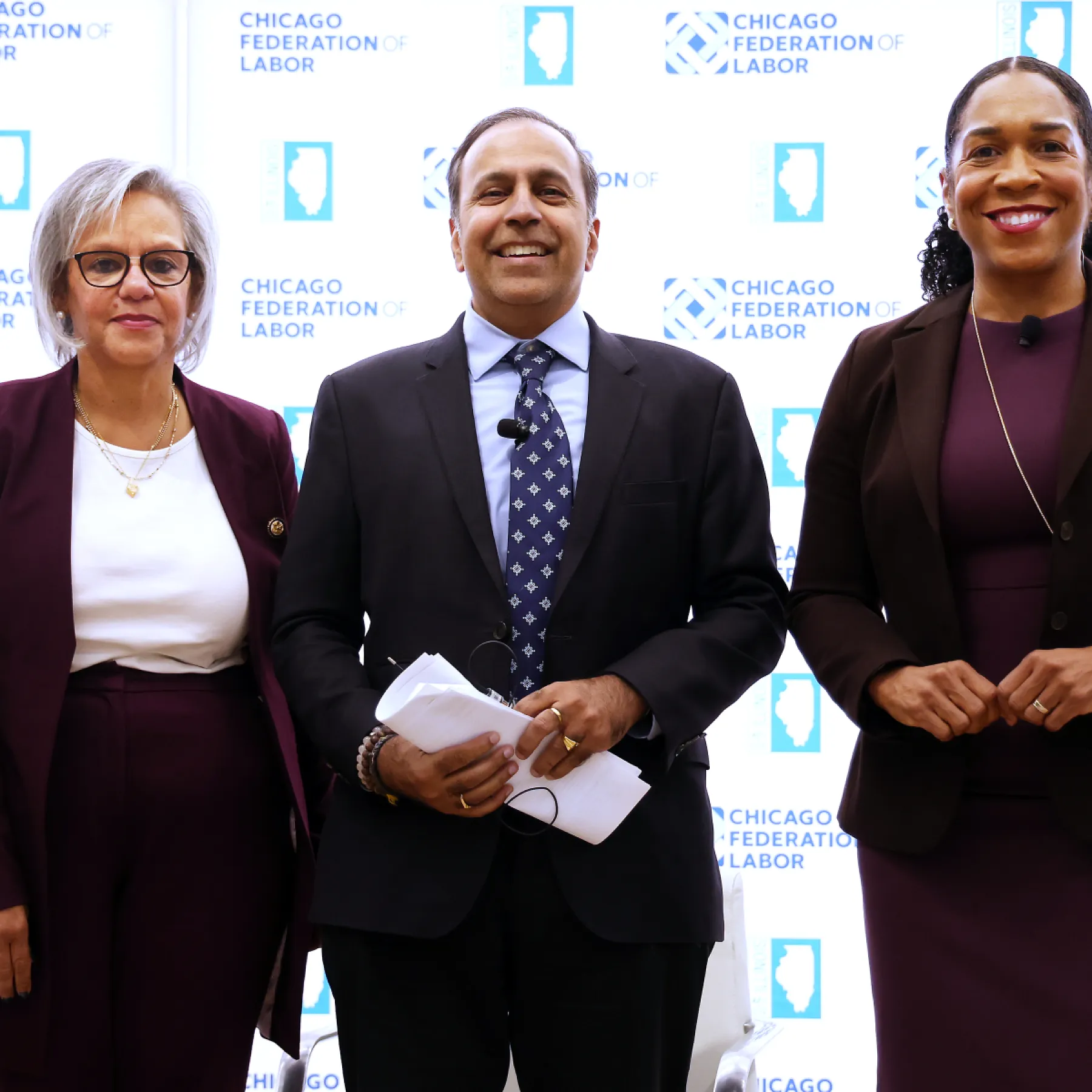
Juliana Stratton serves as the Lieutenant Governor of Illinois, marking a significant achievement as the first Black person to hold this office. With an extensive background in restorative justice, mediation, and state legislation concentrated on equity, education, and civil rights, she stands as a pivotal figure in both state governance and as a Democratic candidate for the U.S. Senate. This article delves into her career progression, notable legislative achievements, and her policy priorities for the future.
Early Career
Before stepping into her role as Lieutenant Governor, Stratton had a diverse career that set a strong foundation for her public service. She worked as a restorative justice practitioner and ran a mediation and alternative dispute resolution firm. In this capacity, she taught negotiation skills across the nation, with a focus on fostering trust over authority to facilitate fair resolutions in conflicts. This professional trajectory underscored her commitment to restorative approaches, advocating for methods that prioritise understanding and healing rather than punitive measures.
Stratton’s early career insights into human dynamics and conflict resolution have informed her political ethos and policy framework. Her emphasis on mediation and restorative justice demonstrates a nuanced understanding of societal challenges, especially concerning marginalized communities. This aligns with ongoing discussions about equity, justice, and inclusive governance, as seen in global contexts.
Illinois House Service (Pre-2019)
Stratton’s entry into politics began with her election to the Illinois House of Representatives. By August 2017, she had sponsored 25 bills, with nine of them successfully signed into law. During her tenure, she served on various committees and took decisive action in addressing issues disproportionately affecting Black and Brown children. Notably, she was instrumental in ending expulsions from preschool, a policy that historically led to punitive actions against vulnerable children.
Another significant achievement during her time in the Illinois House was the ban on school-based booking stations used for student arrests. This initiative reflected a growing recognition of the detrimental impact such measures have on students, particularly those from minority backgrounds. Stratton’s legislative efforts were not merely aimed at changing laws; they sought to create a more equitable educational landscape in Illinois, demonstrating an understanding of the systemic barriers that often hinder the educational experience of children in disadvantaged communities. These efforts resonate with broader movements advocating for reforms in education and equity.
Lieutenant Governor Role (2019–Present)
Since her inauguration as Lieutenant Governor in 2019, Juliana Stratton has continued to advocate for equity and justice through her leadership in various initiatives. One of her notable efforts is the Justice, Equity, and Opportunity Initiative, which aims to address systemic injustices and promote equal opportunities within all facets of government and society.
In her strategic role, Stratton serves as chair of several councils including the Illinois Council on Women and Girls and the Governor’s Rural Affairs Council. Her involvement in these councils illustrates her dedication to inclusive governance aimed at elevating the voices and needs of diverse constituencies. She has moved beyond the ceremonial duties often associated with the office, actively engaging in substantive governance that strives for tangible outcomes in the community. Such proactive engagement is often discussed in studies of effective leadership in political structures.
Policy Achievements and Statements
Over the years, Stratton has championed various legislative acts that focus on both equity and justice. Notable among these are her recent accomplishments regarding disability employment and family caregiver protections.
Disability Employment
The Dignity in Pay Act, which was signed into law on January 21, 2025, stands out as a noteworthy legislative achievement. Stratton supported House Bill 793, which effectively phases out federal Fair Labor Standards Act 14(c) subminimum wage certificates by December 31, 2029. This move positions Illinois alongside 18 other states that have taken a stand against subminimum wage practices for individuals with disabilities. In her advocacy, Stratton emphasised that fair wages should be recognized as a fundamental right for everyone, regardless of ability. This initiative mirrors broader discussions within the realm of disability rights and employment standards.
Family Caregiver Protections
Another significant legislative achievement was Public Act 103-0797, which took effect on January 1, 2025. This act extends protections against employment discrimination for individuals who provide personal care to family members, including children, spouses, parents, and grandparents. Stratton highlighted the need for supportive work environments that recognise and accommodate the responsibilities caregivers often face. This legislation marks a crucial step toward validating the importance of family caregiving, a role that is crucial for many families across Illinois. Similar protective measures are a growing focus in discussions about workplace policies and rights nationwide.
U.S. Senate Campaign Priorities
As she transitions into her campaign for the U.S. Senate, Stratton has outlined several priorities that reflect her commitment to social justice and equality. Among these priorities are:
- Advancing LGBTQ+ rights, particularly enhancing protections for trans youth.
- Restoring abortion rights at the federal level.
- Supporting the John Lewis Voting Rights Act to protect voting rights for all citizens.
- Enacting a national assault weapons ban, building upon similar legislation enacted in Illinois in 2023.
- Pursuing comprehensive immigration reform that facilitates pathways to citizenship for Dreamers and focuses enforcement on violent criminals.
Stratton’s campaign not only aims to mirror progressive state policy on a national level but also represents a broad vision for social justice that resonates with many constituents. Through her advocacy, Stratton is positioning herself as an agent of change, committed to tackling systemic inequalities and building impactful coalitions.
Who is Affected by Stratton’s Policies?
Stratton’s policies significantly impact various segments of the population:
- Individuals with Disabilities: The Dignity in Pay Act is directed at empowering individuals with disabilities, ensuring they receive fair wages for their contributions to the workforce. This initiative coincides with ongoing efforts to improve the economic landscape for disabled individuals.
- Caregivers: The protections provided under the Family Caregiver Protections Act contribute to creating a healthier work-life balance for family caregivers, a pressing issue in legislative discussions nationwide.
- LGBTQ+ Community: By prioritising LGBTQ+ rights in her Senate campaign, Stratton aims to protect and advance the rights of a historically marginalized community, aligning with broader movements for equality.
The Broader Context of Stratton’s Policies
While Stratton’s initiatives are specific to the United States, particularly Illinois, they highlight ongoing discussions about equity, justice, and inclusive governance that are pertinent in various global contexts. Issues around disability rights, workplace discrimination, and family caregiving are universal concerns that resonate beyond state and national boundaries, as highlighted in recent debates on international platforms.
In the UK, similar conversations are taking place, leading to discussions about legislation such as the Equality Act 2010, which seeks to protect individuals from discrimination. The importance of these conversations cannot be understated, given the rising awareness of social issues on both sides of the Atlantic, which continue to drive legislative reform.
Recommendations for Further Study
For individuals interested in the broader implications of Stratton’s policies, it may be beneficial to explore the following areas:
- Comparative Legislation: A detailed study of how states in the U.S., such as Illinois, measure up against international standards and practices, particularly in areas related to disability rights and social equity.
- Impact Analysis: Examining the long-term effects of the Dignity in Pay Act and Family Caregiver Protections Act to better understand their efficacy and areas for improvement.
- Community Engagement: Investigating how advocacy groups can further promote awareness and influence policy changes related to equity and justice both locally and nationally.
Conclusion
Juliana Stratton’s journey from a restorative justice practitioner to the Lieutenant Governor of Illinois underscores her commitment to creating a fairer, more equitable society. Her legislative accomplishments and current campaign priorities reflect a leadership style grounded in inclusivity and social responsibility. The significant policies she has championed have the potential to transform lives, advocating for justice and dignity across various communities.
As she embarks on her Senate campaign, Stratton’s vision could bring critical changes to both local and national landscapes. Advocates for equality and justice continue to watch her trajectory, hopeful for the possibilities that lie ahead. The importance of leadership that focuses on restorative and equitable practices cannot be overstated, making Stratton a key figure in the ongoing movement for social justice.
About The Author