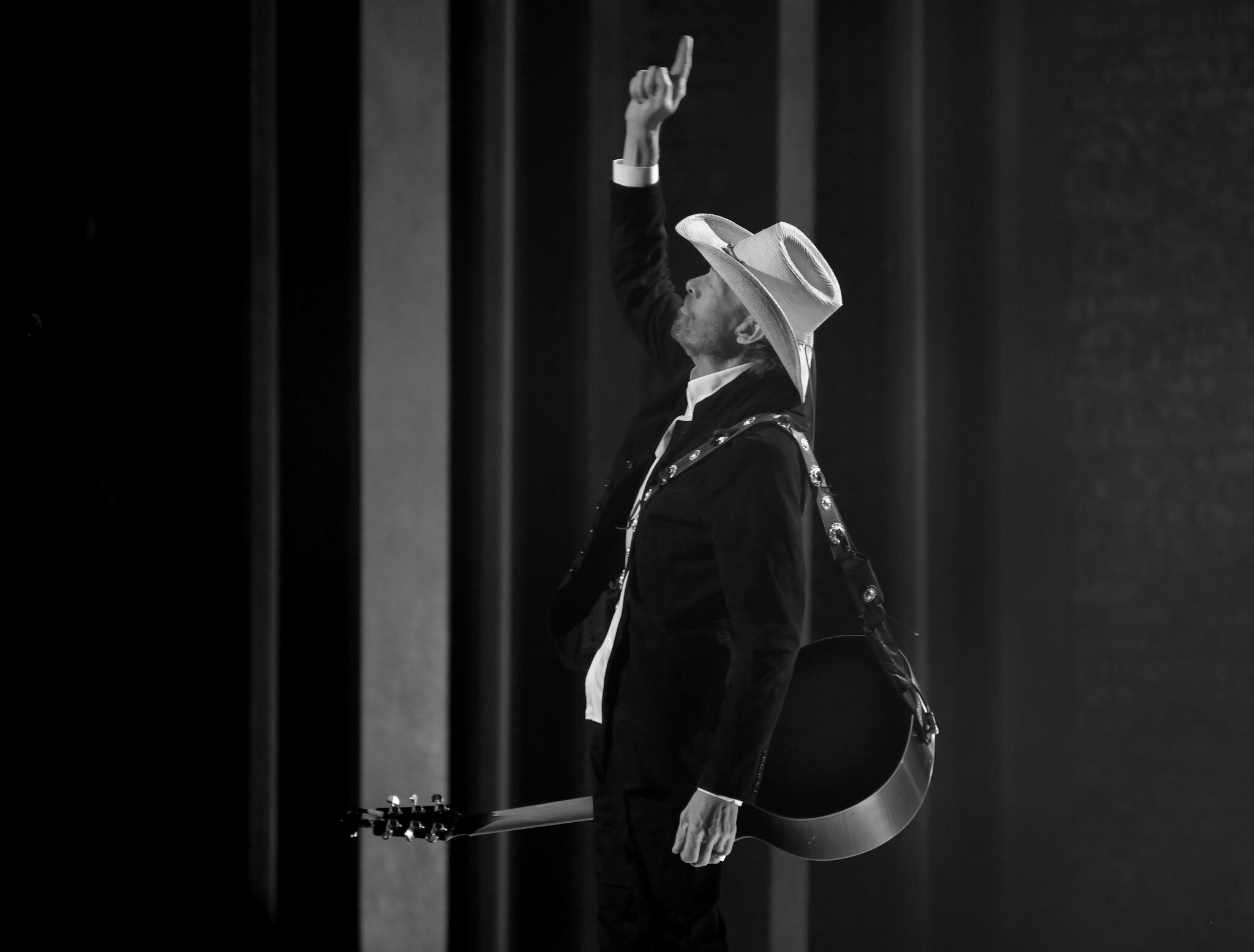
Toby Keith, an influential figure in American country music, was born on July 8, 1961, and passed away on June 4, 2024. Known for his independent political stance that evolved throughout his career, Keith’s music and public persona provided a platform for expressing his patriotic views and support for the military. This article delves into his political identity, key songs, and the controversies that shaped his career.
Political Identity and Evolution
Toby Keith’s political journey began as a “conservative Democrat” before he transitioned to an Independent status in 2016. He intentionally avoided label adherence, stating that this approach helped keep people “off balance.” Keith’s evolution reflects a broader trend among American artists who navigated complex political landscapes while trying to resonate with diverse audiences.
In the early years of his political engagement, Keith expressed admiration for Barack Obama, calling him “the best Democratic candidate since Bill Clinton” during the 2008 presidential election. Despite his praise for Democrats, he performed at events for several Republican leaders, including George W. Bush and Donald Trump. This multi-faceted political identity culminated in a pointed criticism of both Hillary Clinton and Trump during a concert in 2016, where he labelled them as “media whores.” Such statements showcase how Keith learned to challenge both sides of the political spectrum, keeping his audience guessing regarding his true allegiances.
Influences in his political views can be traced back to his father, an Army veteran and lifelong Democrat. The military background provided Keith with a unique lens through which he viewed political issues, shaping his opinions on patriotism and military support.
Key Songs and Patriotic Themes
Post-9/11, Toby Keith emerged as a strong voice in country music, particularly with his song “Courtesy of the Red, White and Blue (The Angry American).” Released in 2002, this track resonated deeply with American sentiments following the terrorist attacks. The lyrics encapsulated a raw, unapologetic sense of anger and patriotism, famously featuring the line, “We’ll put a boot in your ass / It’s the American way.” As controversial as it was, the song topped U.S. country charts, illustrating Keith’s influence during a turbulent time in American history.
Despite the success of “Courtesy,” Keith held nuanced views regarding the Iraq War. While the song initially served to bolster support for the war, he later expressed opposition to the invasion, highlighting a complexity in his public persona where he could simultaneously galvanise support and question military interventions.
Keith’s body of work extended beyond a single patriotic anthem. He created a range of songs that elevated pro-military themes and tough-on-crime stances. Tracks such as “Beer for My Horses” showcased his populist views on immigration and religion, while other songs like “Weed With Willie” indicated his willingness to address contemporary social issues head-on. These themes propelled him into the spotlight as a perceived nationalist figure within the country music sphere, influencing a new generation of right-leaning artists like Jason Aldean. Keith’s resonance with the “MAGA” movement further solidified his role as a touchstone for patriotic country music in the aftermath of the Obama era.
Controversies and Industry Impact
Toby Keith’s career was not devoid of controversies, particularly surrounding his reactions to dissenting voices within the country music community. A notable clash arose with the Dixie Chicks after lead singer Natalie Maines vocalised her opposition to President Bush during a concert in 2003. In retaliation, Keith displayed a photoshopped image of Maines alongside Saddam Hussein during his performances. This incident sparked debates about artistic expression and political opinions within the music industry, illustrating the tension between Keith’s pro-American stance and the values of those who opposed the leadership at that time.
The country music industry as a whole has a rich history of intertwining Americana with political themes. From its origins influencing the Jim Crow era to the conservative backlash against changing social norms, the evolution of country music reflects broader societal changes. Keith can be seen as a embodiment of what some critics describe as class-based patriotism rather than a strict partisan alignment.
The refusal to alter the lyrics of “Courtesy of the Red, White and Blue” for an ABC special exemplified his commitment to authenticity. This decision not only reaffirmed his artistic independence but also highlighted the potential for music to act as a socio-political commentary.
| Year | Song | Theme |
|---|---|---|
| 2002 | Courtesy of the Red, White and Blue (The Angry American) | Post-9/11 Patriotism |
| 2003 | Beer for My Horses | Crime and Justice |
| 2008 | Weed With Willie | Marijuana Legalisation |
These songs illustrate not just Keith’s versatility as an artist but also the broader cultural narratives that he navigated throughout his career.
Audience and Cultural Influence
Toby Keith’s audience was as diverse as his political ideology, appealing to both fans of traditional country music and newer listeners drawn to his rebellious, patriotic themes. The intersection of music with politics has long been a vessel for larger cultural shifts, and Keith’s work is emblematic of this dynamic.
His ability to connect with audiences often stemmed from his willingness to engage in tough conversations about America’s socio-political landscape. For example, while Keith’s songs often celebrated military themes, they also provided space for initiating dialogue about the consequences of such nationalism. His connections with U.S. presidents from various parties underscored his importance as a cultural figure who could traverse political divides.
Moreover, country music itself has undergone a transformation over the years, evolving from its folk roots into an arena that often showcases differing interpretations of American identity. Keith’s success not only solidified his own career but also opened doors for other artists exploring similar themes of nationalism, patriotism, and political engagement.
Though Toby Keith’s views and songs resonated strongly with segments of the American population, they also drew criticism, highlighting the often divisive nature of political discourse in today’s society. His legacy touches upon the complexities of national identity and the role of art in reflecting and influencing public sentiment.
Risk and potential consequences connected with being a politically vocal artist cannot be understated. There is a balance to maintain between artistic expression and public perception, as Keith’s career illustrates. His navigation of this landscape provides a case study in both the rewards and pitfalls that come with political involvement in music.
The UK audience, while not directly influenced by Keith’s political journey, can appreciate the impact that art can have on societal discussions of identity, nationalism, and patriotism. Understanding the nuances in Keith’s career can inform how political discourse in music operates more generally, perhaps offering parallels to the UK’s own music scene and artists navigating similar terrains.
Toby Keith’s impact on the genre and his continued relevance in the discussions surrounding country music and patriotism has left an indelible mark on both the industry and its listeners. His songs continue to resonate with themes of military support and Americana, resonating across generations and prompting ongoing conversations about the role of patriotism in the arts.
While Toby Keith’s journey as an artist reflects uniquely American cultural contexts, the exploration of political identity through music serves as an enduring metaphor for how individuals can engage with broader societal issues. In navigating the intersections of art and politics, Keith’s story offers important insights into the complexities of national identity, artistic integrity, and the power of music to evoke change.
The examples set forth in his career remind us that music is not simply entertainment but a significant force capable of shaping and reflecting public attitudes, fostering dialogue, and influencing future generations in their own journeys of expression. As artists continue to engage with political themes, the legacy of Toby Keith stands as a reminder of the intricate relationship between music, nationalism, and personal belief.
About The Author