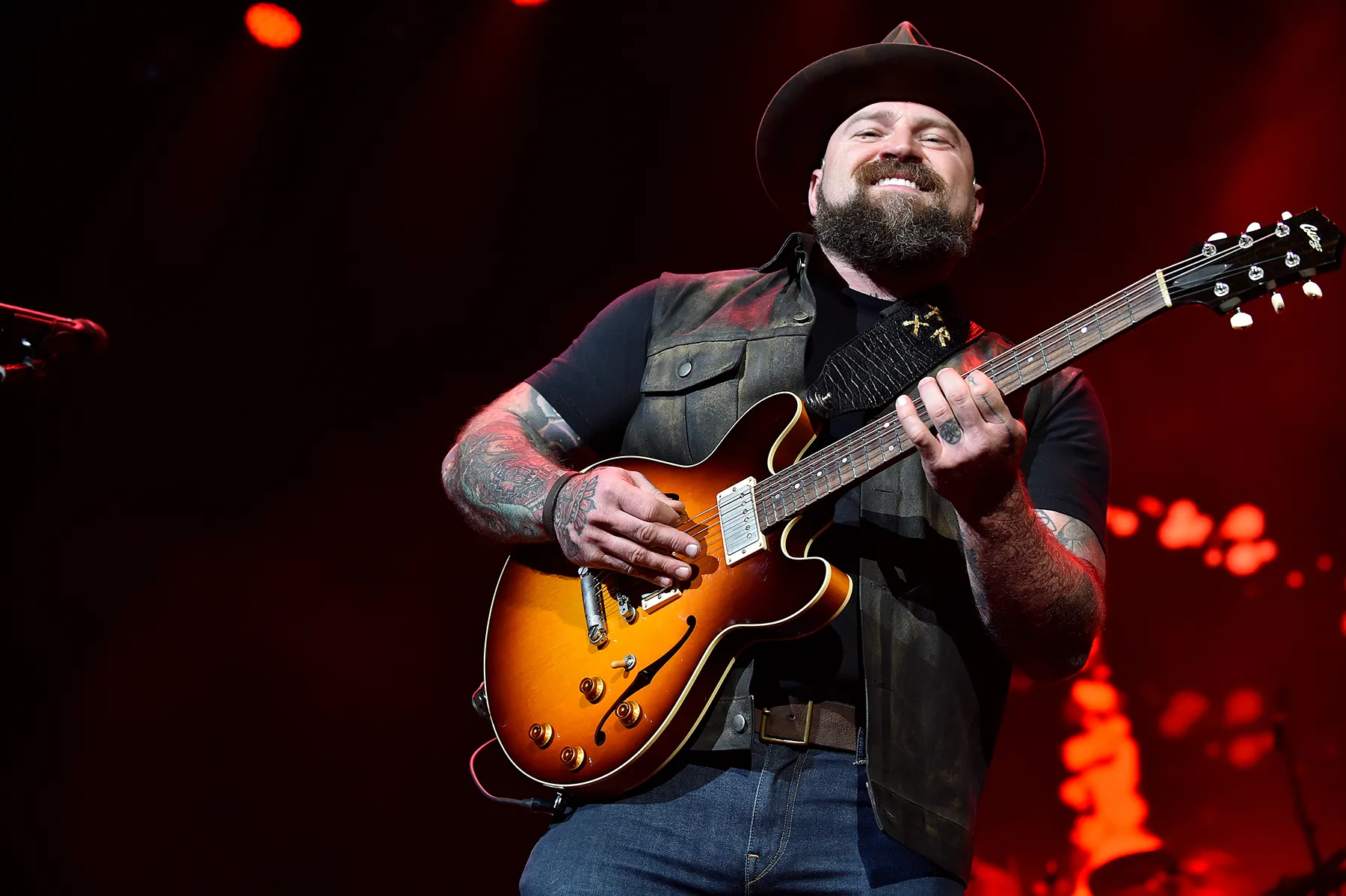
The Zac Brown Band (ZBB), a prominent entity in the realm of country music, has established itself not only through soulful melodies but also by promoting various charitable causes. Hailing from Atlanta, Georgia, since its inception in 2000, ZBB led by the eponymous Zac Brown, has released several successful albums, acquired numerous Grammy Awards, and produced memorable hits such as “Chicken Fried” and “As She’s Walking Away.” While the group has achieved considerable fame, its foray into the political arena has been quite limited. This article aims to provide an overview of the Zac Brown Band’s engagement—or lack thereof—with political matters while also exploring surrounding contexts that impact their non-political stance.
Political Involvement of Musicians
Political involvement for musicians typically encapsulates a range of activities that may include endorsements, performances at political rallies, contributions to political action committees (PACs), and issuing statements that aim to influence electoral outcomes. However, in the case of the Zac Brown Band, their engagement appears primarily limited to non-partisan commentary rather than overt political actions.
Notably, the band has not participated in any political rallies or events where they would openly align with a party or candidate. Statements made by Zac Brown confirm that the group seeks to maintain an apolitical stance, concentrating instead on issues that resonate on a human level rather than party political dimensions. For example, in a 2022 interview with Rolling Stone, Brown remarked on the divisive nature of the media and stated, “The news is no longer a report about what’s happening, it’s about how we can get people to side with us… it’s like sipping on poison.” Here, he highlights the intent to resist manipulation by narrowing their message to issues without endorsing specific candidates or parties.
Political Landscape in the UK
Given that the Zac Brown Band is a US-based entity, the UK political landscape may seem tangential; however, understanding it can potentially highlight how foreign artists interact—or do not interact—with UK politics.
The Political Parties, Elections and Referendums Act 2000 (PPERA), alongside its amendments, governs the regulations pertaining to donations and campaign spending within the UK. According to UK law, foreign entities, which include artists from the US, are prohibited from donating more than £500 to UK political parties or campaigns. Additionally, should they participate in events that involve spending exceeding £20,000, transparency in funding sources becomes mandatory.
Despite these regulations, there is currently no record indicating that the Zac Brown Band has engaged in any UK political activities that need regulatory oversight.
Key Facts
Recent findings indicate the following key facts regarding ZBB’s political engagement (or lack thereof):
- The Zac Brown Band has not engaged in any formal political performances, as affirmed by sources such as the Post-Gazette in 2022.
- The band has chosen to support non-partisan causes, focusing instead on initiatives that benefit veterans, disaster relief efforts, and community programmes.
- Public disclosures and interviews have not revealed any indications of the band endorsing particular political candidates or parties.
The evidence presented underscores the band’s inclination to maintain a distance from partisan politics while engaging in philanthropy and community support rather than electoral influence.
Legal Framework in the UK
While ZBB’s activities primarily unfold in the United States, it is worth noting the UK legal framework that governs political donations and performances. The PPERA regulates various aspects of electoral law, including campaign spending limits and donation restrictions. Foreign artists are not permitted to make substantial financial contributions to UK political entities, and any engagement in UK political contexts would necessitate adherence to these laws.
In the realm of regulation, bodies such as the Electoral Commission play a critical role in overseeing compliance with electoral laws. They maintain oversight on matters of political donations and campaign spending, ensuring transparency and legal adherence.
Responsible Authorities
Understanding the various authorities involved in political regulation is crucial, especially for international artists and their engagement with political matters. The following table summarises the governance layers relevant for political compliance in the UK:
| Jurisdiction | Authority | Role |
|---|---|---|
| UK | Electoral Commission (electoralcommission.org.uk) | Oversees PPERA compliance, manages donations, and campaign spending |
| US | Federal Election Commission (FEC.gov) | Regulates campaign finance; no ZBB filings reported |
| General | No UK or US authority has flagged ZBB politically |
Current Rules and Changes
As of March 2026, understanding the current rules governing political involvement is vital for both artists and audiences. The UK has its own recent updates concerning political donations and campaign spending, notably:
- Donations are capped at £11,180 (subject to index-linking in 2025), with stringent restrictions for foreign donors.
- Campaign spending limits have been established, providing a framework under which political entities must operate.
- Recent legal updates include mandatory voter identification under the Elections Act 2022, and legislative changes in 2023 that require transparency for online advertising imprints.
In the US context, musicians are free to make endorsements under the First Amendment; however, contributions to PACs must be reported when exceeding $200. Notably, the Zac Brown Band does not have any reported political contributions.
The band’s avoidance of politically charged activities implicitly complies with existing regulations, insulating it from potential scrutiny.
Risks Associated with Political Stance
When exploring the potential risks associated with the political engagement—or lack thereof—among artists such as the Zac Brown Band, various risk categories emerge, such as:
- Legal Risks in the UK: Financial penalties for breaches of regulations regarding undeclared foreign spending can reach up to £20,000, while significant violations can lead to imprisonment. Fortunately, ZBB is devoid of such risks due to their non-partisan approach.
- Reputational Risk Globally: With a popularity score of 36% from YouGov polling, the band remains vulnerable to potential backlash from fans. However, Zac Brown’s previous comments about media divisiveness signal an intention to avoid entrenchment in partisan conflicts, thereby minimising reputational risk.
- Financial Risks: In light of historical instances where artists faced boycotts due to political affiliations, ZBB’s steady ticket sales for their 2025 tours indicate a robust financial position, minimalising immediate risks.
- Operational Risks: Should ZBB engage in political donations, they would face scrutiny from the FEC. As no political donations have been reported, such operational risks are currently non-existent.
Practical Implications for the Zac Brown Band
The non-partisan stance of the Zac Brown Band offers a variety of practical benefits. Their commitment to philanthropy and community engagement focuses on humanitarian issues devoid of divisiveness, permitting a broad appeal. Their charitable activities—such as those organized under Camp Southern Ground—resonate with their song “Where Goodness Grows.” The alignment between their musical message and charity solidifies their image among audiences.
Hypothetically, if the band were to engage with UK politics or perform at political events, they would need to adhere to the current laws, ensuring transparency and compliance. No precedents exist indicating any ZBB engagement with the UK political landscape, which further emphasises their avoidance of partisan matters.
The track record of musicians engaging in political matters showcases the potential fallout, with various artists experiencing boycotts or declines in fanbase following controversial political statements or actions. The Zac Brown Band’s conscious decision to steer clear of overt political affiliations has allowed them to maintain their popularity across a diverse demographic.
In examining their charitable work and public statements, the band shines as a model for how musicians can create a meaningful impact without engaging in divisive political rhetoric.
Key Insights
The trajectory of the Zac Brown Band elucidates an interesting perspective on the intersection of music and politics. The band’s historical engagement suggests a thoughtful approach prioritising community issues and humanitarian causes over political affiliations. This non-partisan stance not only safeguards their reputation but also permits them to maintain significant popularity across various demographics. By focusing on charitable work, they leverage their platform to amplify positive messages, steering clear of political polarisation in media.
Their actions emphasize the possibility for artists to thrive apolitically while still contributing to society’s betterment. With no evidence of political affiliations or endorsements, ZBB remains a quintessential example of a band that chooses to utilise its artistic influence for community improvement rather than electoral engagement.
Ultimately, ZBB’s journey manifests the profound impact that music can have outside the political realm while still shaping public discourse on humanitarian issues. Additionally, exploring the political engagement among other artists like Dolly Parton can provide insightful comparisons, especially regarding a non-partisan advocacy approach (Dolly Parton Politics Explained: How ‘Dollytics’ Redefines Non-Partisan Advocacy and Cultural Influence) and the general atmosphere of music within the realm of politics (Understanding Zac Brown Band: Evolution, Legal Considerations, and Fan Engagement Insights).
About The Author