Alan Ritchson, the name behind the rugged hero Jack Reacher in Amazon’s acclaimed series, has stirred considerable debate lately with his outspoken left-leaning political views, heavily influenced by his Christian beliefs. As the landscape of political discourse continues to evolve, Ritchson’s stance offers both a reflection of and a challenge to traditional conservativism, particularly within the context of Christianity in the United States. His remarks concerning immigration and the treatment of vulnerable populations reflect a biblical commitment to generosity, casting a critical eye on conservative Christian support for figures like Donald Trump.
In this article, we will delve deeply into Ritchson’s political statements, the noteworthy backlash he has encountered, and the broader implications of his views, particularly concerning the intersection of religion and politics in contemporary society. By examining these facets, we hope to provide a holistic view of Ritchson’s political engagement and its significance.
Key Political Statements
Alan Ritchson has taken a firm stand against what he perceives as hypocrisy within segments of the Christian community. His critiques are often anchored in biblical scripture, notably invoking verses like Jeremiah 22:2-3, which call for justice and compassion towards the marginalised, including “the foreigner, the fatherless or the widow.” His message emphasises the need for Christians to extend generosity to everyone, irrespective of their nationality or beliefs.
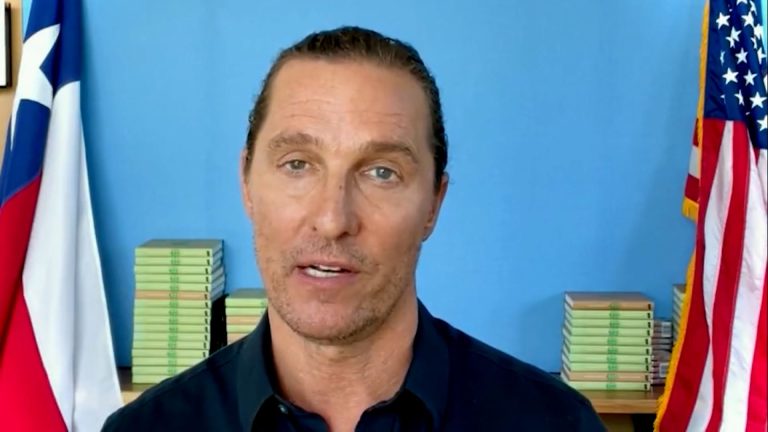
As the actor expressed in a recent video, Ritchson’s interpretation of these verses serves as a strong condemnation of any violence or mistreatment meted out by conservative factions towards the vulnerable. This perspective is particularly salient in today’s politically charged environment where discussions surrounding immigration and refugee support are central to both public and political debate, akin to themes found in the discussions of various issues across worldwide politics (Understanding Kano Politics: Key Insights into Governance and Electoral Structures in Nigeria).
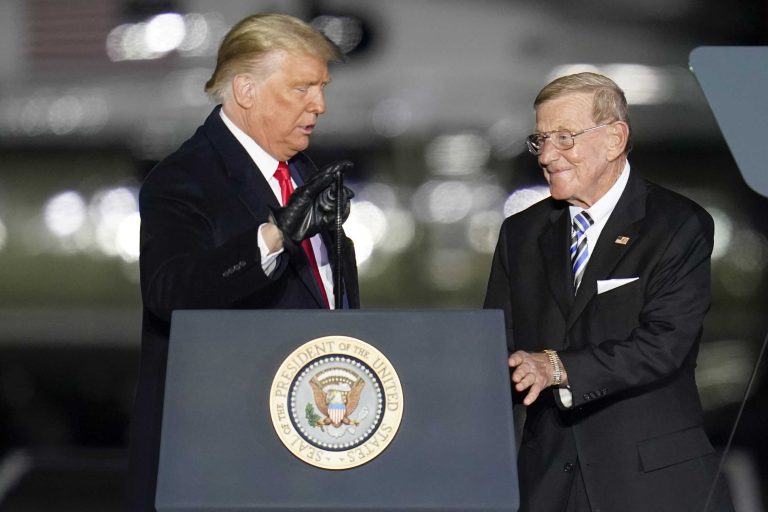
In another notable instance, an interview with The Hollywood Reporter saw Ritchson labelling former President Trump as “a rapist and a con man,” criticising the way some Christian churches have embraced him as a “poster child” for their values. He argued that such endorsements undermine the very teachings of Christ and emphasize the need for a more compassionate, inclusive interpretation of Christian doctrine. However, this blunt commentary drew significant backlash, especially from law enforcement groups and conservative commentators, showcasing the polarising nature of modern political discourse.
Ritchson has also defended his portrayal of vigilante characters—often seen as morally complex—by referencing biblical figures, including Samson, David, and Moses. He suggests that the Bible is replete with stories of individuals who committed acts perceived as violent or morally questionable but were nonetheless regarded as heroes of faith. This argument raises an essential question about the complexity of narratives, especially within sacred texts, and challenges the narrow framing typical of contemporary moral discussions.
Backlash and Responses
The reaction to Ritchson’s political outspokenness has been quite intense. His critiques of Trump and comments regarding the police led to emotional responses from various law enforcement groups, with some describing them as disparaging to police officers. The National Fraternal Order of Police was among those who labelled him a “useless Hollywood actor” for “virtue-signalling” at the expense of those who serve in law enforcement.
Ritchson’s stance on these issues has left him vulnerable to critiques not only from the political right but also from segments of the Christian community that view his interpretation of faith as divergent from traditional values. Despite the backlash, Ritchson has not shied away from engaging in dialogues around faith and morality. He frequently utilises social media platforms, including YouTube, to articulate his beliefs, arguing that God employs “less-than-morally ambiguous characters” within storytelling, a nod to the multifaceted nature of biblical narratives that often feature themes of war, bloodshed, and human fallibility, much like the controversial tones noted in discussions surrounding figures such as Scott Adams (Who is Scott Adams in Politics?).
In interviews and public statements, he expresses a deep commitment to advocating for the voiceless and the vulnerable, urging listeners to adopt a more expansive perspective of Christian responsibility. His willingness to confront criticism indicates a resolve to foster conversations that challenge the status quo, particularly concerning the intersection of faith and politics.
The Broader Context of Political Engagement
Ritchson’s actions resonate in a broader cultural landscape that sees a growing divergence between mainstream Christian thought and political conservatism in the United States. Historically, the evangelical community has been closely tied to conservative political movements, particularly in support of figures like Trump. However, as younger generations engage with faith through progressive lenses, there appears to be an emerging faction that advocates for a more inclusive and compassionate understanding of Christian teachings.
This shift is evident in various congregations across the UK where emerging leaders are encouraging dialogues around social justice, immigration, and the plight of the marginalised, often integrating these issues into their sermons and outreach initiatives. The UK has its complexities, with faith influencing political lines, albeit differently from the American context (Ricky Gervais Politics Explained: A Deep Dive into His Liberal Roots, Free Speech Views, and Anti-Woke Critiques).
Ritchson’s stance represents this evolving landscape, whereby faith and politics are increasingly viewed as realms that can—and should—engage in constructive dialogue, rather than remain siloed. As he continues to speak out, it is essential to consider the implications of this discourse on the future of both American and British Christianity.
Implications for the Audience
Ritchson’s political engagement, while provocative, invites a range of responses from audiences. Many supporters view his voice as a necessary counterbalance to what they see as a straying from core Christian principles by some supporters of Trump. They argue that Ritchson’s call for generosity and advocacy for the vulnerable resonates deeply with the essence of Christianity, reflecting a commitment to acting justly and loving mercy.
Conversely, his critics assert that his remarks undermine the authority of traditional Christian thought and may sow discord within intermixed communities of faith. The backlash indicates a significant rift, one that speaks to the polarisation of faith-based communities in contemporary society, particularly as they navigate their positions within broader political discourses.
Recommendations for Moving Forward
In navigating the complexity of this evolving conversation, several recommendations arise for both individuals and communities:
-
Embrace Compassionate Dialogue: Encouraging open communication that acknowledges differing interpretations of faith can foster understanding. Engaging in respectful exchanges about political beliefs can help bridge divides.
-
Ground Conversations in Scripture: As Ritchson has done, utilising biblical texts as a foundation for discussions can help clarify positions and align them with core Christian values, emphasising fairness, justice, and love for neighbour.
-
Challenge the Status Quo: Recognising the evolving landscape of faith and politics necessitates a willingness to question existing narratives. Leaders within faith communities should encourage critical thinking and openness to new interpretations of Christian doctrine.
-
Promote Inclusivity: As Ritchson advocates for generosity towards immigrants and the vulnerable, faith leaders and community members alike should explore initiatives that support inclusive practices, ensuring that those on the margins feel welcomed and valued.
-
Engage with Younger Generations: The importance of addressing the concerns of younger believers cannot be overstated. Emphasising social justice and active participation in societal issues can invigorate faith communities and draw younger members into meaningful engagement.
As conversations surrounding faith and politics continue to unfold, Alan Ritchson’s journey serves as a poignant reminder of the complexities and potentials inherent in such dialogues. His willingness to embrace dialogue and critique resonates with many, creating a space for more compassionate, inclusive conversations within both faith communities and the broader sociopolitical landscape.
In navigating these volatile waters, individuals and communities are encouraged to align their actions and beliefs with principles that speak to the core of their faith. Ritchson demonstrates the profound impact of navigating these discussions in ways that strive toward understanding and generosity, a guiding light in an increasingly polarised world. By fostering inclusive conversations and embodying the teachings of love and compassion, individuals can contribute to a society that reflects the best of Christian values.
About The Author