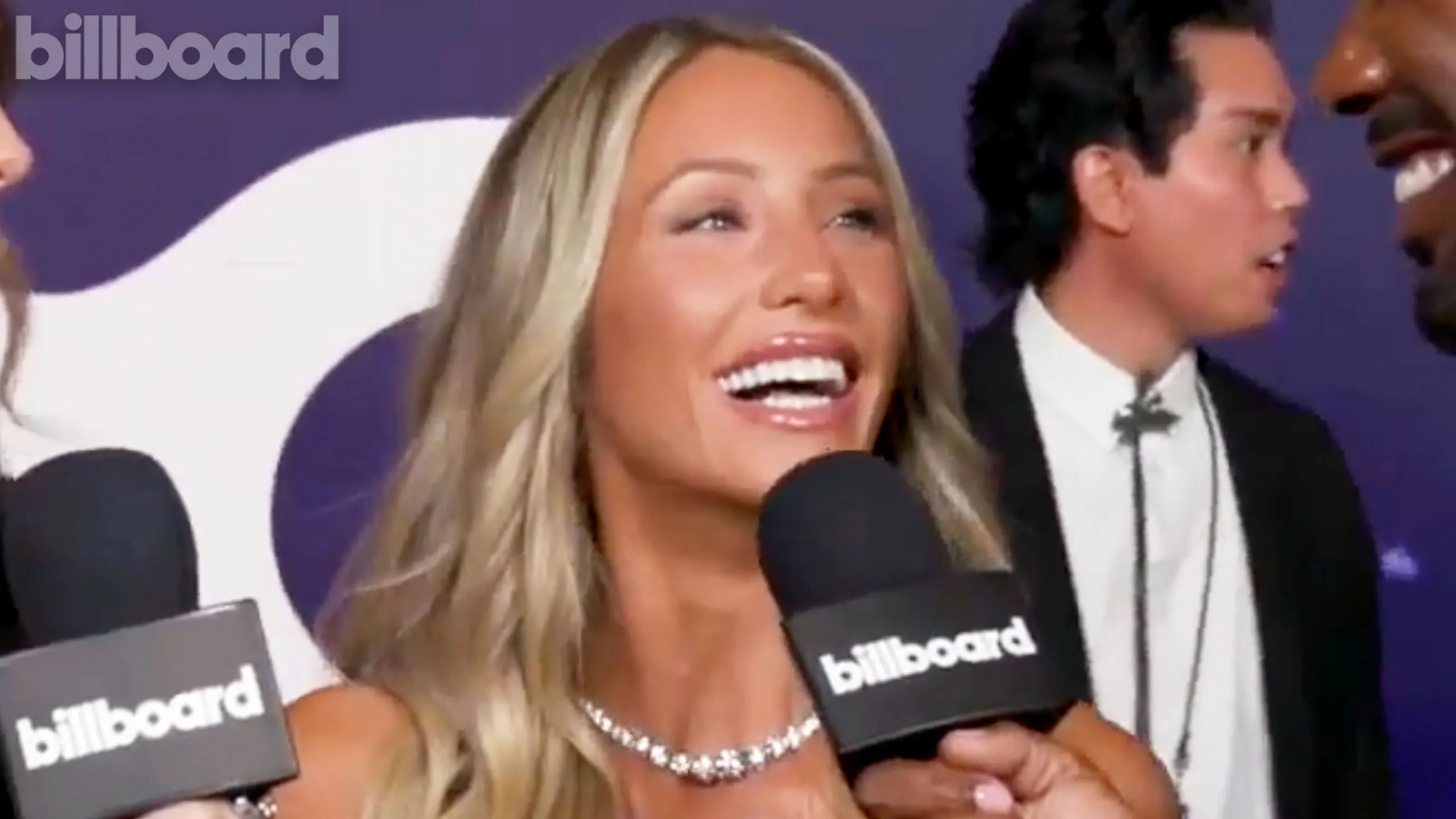
Alix Earle is one of the most recognisable names among a new class of U.S.-based internet personalities primarily known for their influence on platforms like TikTok and Instagram. Born in New Jersey, Earle rose to prominence through lifestyle content, fashion partnerships, and her relatable ‘Get Ready With Me’ (GRWM) videos. However, like many rapidly emerging figures in the digital age, her career has not been without controversy. It is easy to conflate controversy with political discourse when a public figure is frequently in the headlines – yet it is critical to delineate between reputational and political matters.
A review of publicly available, reputable sources shows no connection whatsoever between Alix Earle and political figures, activism, lobbying, or party endorsement. While the influencer’s past has included social media backlash and Celebrity-feud-fuelled headlines, none of these incidents touch on politics, policymaking, or governance. This article explores in depth the current factual landscape surrounding Alix Earle and confirms her apolitical status — while also clarifying common misconceptions, outlining relevant legal distinctions in the UK, and assessing misunderstanding risks when interpreting online controversies. For more information about her controversies, see this extended coverage of Alix Earle politics confirming her position outside of political engagement.
Understanding the Public Persona: Alix Earle’s Rise and Recognition
Alix Earle is emblematic of the 2020s-era influencer: young, trend-savvy, and capable of generating mass engagement through authentic social content rather than traditional celebrity pathways. Unlike entertainers or athletes, whose public reputations are often managed through agents or publicists, influencers like Earle curate their image directly via social media.
Her online fame stems from daily lifestyle videos, candid personal updates, affiliate marketing links, and branded content. Beyond being a content creator, Earle has also been involved in podcasting – most notably with ‘Hot Mess’, which was affiliated with the Unwell Network until 2025. However, her removal from the network following a dispute with founder Alex Cooper made headlines and added to a run of public-facing complications.
Her current brand remains fundamentally lifestyle-focused. This distinction is vital in separating her sphere of influence from more ideologically-loaded or politically-driven professions like journalism, advocacy, or public office. This nuanced exploration is echoed in another breakdown that examines why her controversies remain apolitical despite widespread public scrutiny.
Defining Political Activity: What Counts?
Before analysing whether someone is involved in politics, it is important to define what that means. Political activity encompasses a broad range of behaviours and affiliations – and not all controversies fall under that umbrella.
Common Political Activities Include:
- Public support for political candidates or parties
- Campaign contributions
- Participation in political campaigns or PACs
- Commenting on legislation, elections, or governance
- Advocacy for ideological or policy-based causes (e.g., climate policy, civil rights)
In the United Kingdom, individuals in public life can also fall under definitions related to political engagement as defined by regulatory bodies like the Electoral Commission or Ofcom – particularly when it comes to public broadcasting, political donations, or holding office. Importantly, none of these forms of activity have ever been attributed to Alix Earle based on current publicly available sources.
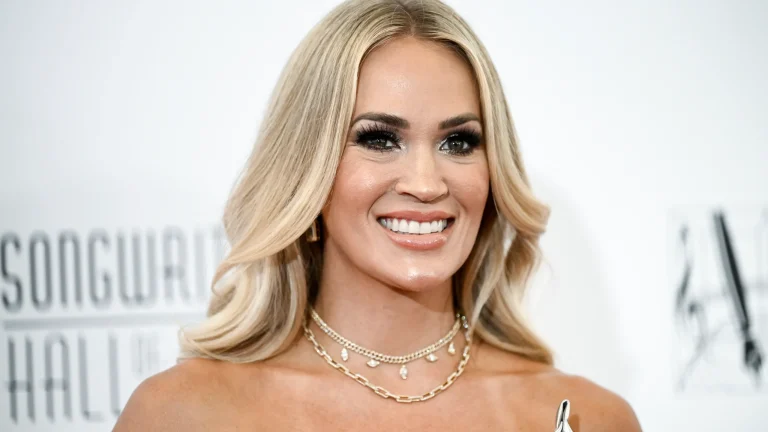
For a similar example of a celebrity incorrectly framed as politically active, this profile of Carrie Underwood’s political neutrality highlights why maintaining a non-partisan stance is often a deliberate choice among public figures in similar positions.
Her controversies – which include statements made as a minor and interpersonal professional disputes – do not fall within any official or colloquial definitions of political activity.
Reviewing Her Controversies: Political or Personal?
Alix Earle’s most remarked-upon public incidents revolve around incidents entirely disconnected from governance or policy.
The table below summarises the types of controversies she has been involved in and clarifies their non-political nature.
| Incident | Year | Details | Political Involvement |
|---|---|---|---|
| Ask.fm Posts Controversy | 2014 (Surfaced 2024) | Posts made at age 13 using racial slurs reappeared; she publicly apologised for past immaturity | None |
| Feud with Alex Cooper | 2025 | Podcast ‘Hot Mess’ pulled from Unwell Network due to personal disagreement | None |
| Lawsuit with Gymshark | Undated | Business-related lawsuit possibly regarding trademark/IP concerns | None |
All available reputable reports focus on personal conduct, professional fallout, or brand management rather than public issues, political campaigning, or ideological positioning. There is also no link between Earle’s known professional history and any political funding, lobbying, or public sector contracts. These distinctions align her more with figures like Dolly Parton, who has also maintained an intentionally apolitical position in public life.
Why Misinterpretation Happens: The Blurred Line on Social Media
In modern social media culture, especially platforms like TikTok and Instagram, influencers and activism often overlap. This is particularly visible in UK-based campaigns such as #FreeSchoolMeals or environmental activism, where creators use platforms to promote talking points.
However, not all content creators participate in such movements. Earle has never queued herself into broader political conversations, nor has she used her platform to advance any particular issue that would typically be classed under political activism. No documented usage of her platform pertains to elections, policy campaigning, or social justice statements of a political nature.
Where confusion happens is in the magnitude of her controversies. Statements using racial slurs, for instance, intersect with sensitive matters of social cohesion, race, and ethics – but being caught in a scandal of this nature does not make an individual a political actor. It is therefore critical to separate public controversy from political activity. As previously explored in this guide to Alix Earle politics rumors, such incidents are often misunderstood in the absence of formal political context.
Legal Distinctions and UK Context: Regulatory Boundaries
Given Earle’s digital global reach, especially among UK users, it is worth considering how such matters would fall under British legal standards, particularly in light of the Online Safety Act 2023 and related legislation.
However, in legal terms:
- Earle is not a UK resident or taxpayer
- She has not participated in political elections or parties in the UK
- No evidence ties her content to breaches of Ofcom or Electoral Commission rules
For instance, under the UK Public Order Act 1986, hate speech and incitement to racial hatred are criminal offences. Yet her early-teen comments, already acknowledged and apologised for, date back to a time before any aspirations of public life and were not broadcast in the UK under regulatory systems.
Meanwhile, the Online Safety Act 2023 assigns legal responsibilities to platforms like TikTok to manage harmful content through proactive moderation; it does not prosecute creators directly unless criminal offenses occur under standard UK law. Since no such issues are identified in Earle’s case, it would not trigger regulatory assessment under UK acts. To understand more about UK digital responsibility frameworks and how they compare globally, review this profile of Tim Scott’s role in U.S. crypto regulation, which includes international parallels on tech policy.
Responsible Authorities and Oversight Agencies: Who Would Be Involved?
To further demonstrate the absence of political dimensions in Earle’s activities, we can look at which UK agencies typically intervene in such matters.
The following authorities are not involved with Earle in any way:
- Electoral Commission – Monitors specific political donations and campaign financing.
- Ofcom (UK’s communications regulator) – Oversees broadcast standards, bias, and reporting regulations.
- Advertising Standards Authority – Might be applicable for influencer marketing compliance but not political issues.
- ICO (Information Commissioner’s Office) – Only relevant if data privacy was breached, which it hasn’t been.
Agencies such as HMRC or political donations watchdogs only apply where individuals or organisations are engaged in regulated campaigning activities or financial transfers linked to public policy. No source on record places Earle into those contexts.
Risks and Concerns: Reputational and Career Challenges
Many online public figures face a wide array of risks, but that does not make them political actors. In Earle’s case, the known risks relate to:
- Brand reputation: Due to older social media posts or failed business relationships
- Audience perception: Influencer credibility can be damaged following public fallout
- Commercial opportunities: Partnerships and network affiliations can be terminated
These are all private, reputational, and commercial concerns. They do not cross or even brush against electoral involvement, endorsements, or party programmes. In the UK context, this distinction is highly relevant – especially considering prevailing laws on political neutrality in public broadcasting and regulation against misinformation. For more on UK political accountability and how public figures are accurately evaluated, see this article on UK fact check politics.
Practical Implications of Misclassification
Labelling Alix Earle as engaging in political activities could not only mislead casual readers but also dilute valid political discourse. Assigning political relevance to individuals who do not participate in political conversations undermines both journalistic integrity and regulatory clarity. Additionally, for influencers like Earle, inaccurate classification could lead to undeserved scrutiny or reputation harm.
Users, platforms, and media observers should take care to responsibly contextualise controversies and avoid attributing political meanings where none exist.
Closing Analysis
Alix Earle demonstrates the complexity of internet stardom in an era where perception often outweighs procedural fact. Despite a number of reputational controversies, there is no direct evidence, citation, or established record linking her to political activity, rhetoric, pay, or ideology in any national jurisdiction – including the United Kingdom.
She does not engage in campaigning, has no known political affiliations, and has made no political statements of record. Her activities and disputes are not subject to regulation by Ofcom, the Electoral Commission, or other authorities tasked with overseeing political matters. All signals indicate that controversies surrounding her are social and commercial in nature rather than governmental or ideological.
Understanding the difference between public presence and political engagement is crucial in interpreting social media dynamics. Unless and until Alix Earle makes an active departure from her influencer career into the world of elections, advocacy, or civic positioning, she remains entirely apolitical based on current information. Readers, media outlets, and regulatory commentators should maintain this distinction to promote clear, accurate discourse.
This contextual clarity helps protect media integrity and ensures individuals are assessed by the domain within which they operate – a particularly important principle in the digital age, where lines are increasingly blurred but still significant.
About The Author