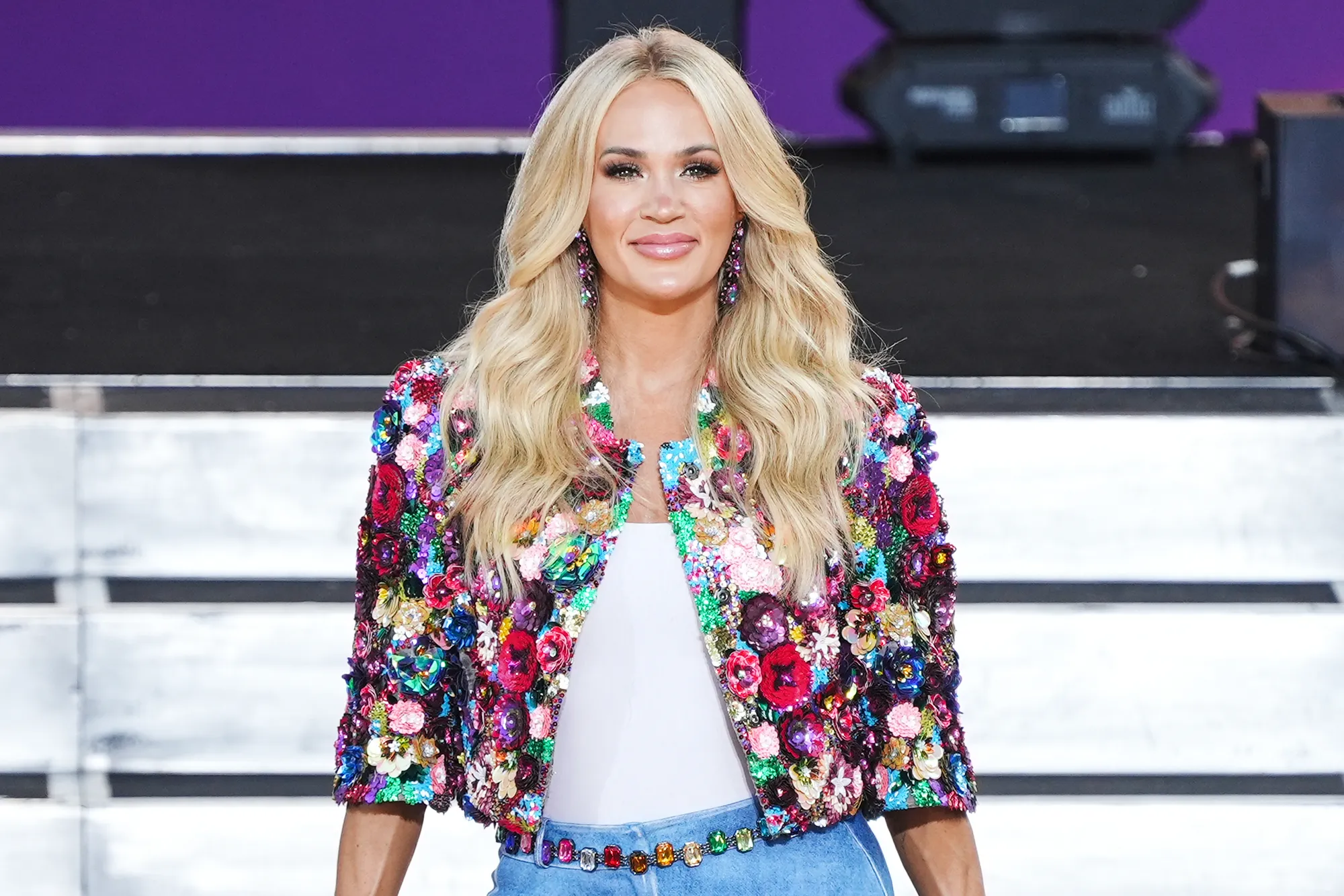
Carrie Underwood, an American country music singer, has cultivated a significant presence in the music industry since her rise to fame on “American Idol” in 2005. While primarily known for her vocal prowess and chart-topping hits, Underwood has occasionally entered the political arena, particularly through her recent performance at a high-profile event. This article aims to evaluate her political associations, explore public reactions, and clarify aspects surrounding her stance, particularly considering the absence of UK-specific implications.
Understanding Carrie Underwood’s Political Involvement
Carrie Underwood’s involvement in U.S. politics has become a topic of discussion following her performance at Donald Trump’s inauguration in January 2025. This event marked a significant moment not just in her career, but also in the wider political landscape, garnering responses that reflect the polarised nature of contemporary American politics.
Inauguration Performance
Underwood’s performance of “America the Beautiful” at the January 2025 inauguration has been notable for its galvanising effect in various circles. While many supporters heralded it as a patriotic contribution, critics were quick to voice their displeasure. The backlash predominantly stemmed from viewers’ perceptions that performing at Trump’s inauguration could align Underwood with his controversial presidency and Republican politics, earning her labels like “MAGA” from detractors.
Key Points from the Inaugural Performance:
- Public Reaction: The performance prompted extensive social media engagement, featuring rebranded fan pages and comments comparing her to other artists who have handled political events. For instance, the contrasting responses to performances by artists like Kelly Clarkson might illustrate the diverse landscape of celebrity politics in today’s world.
- Comparisons with Others: Critics pointed to performances by artists such as Kelly Clarkson, who openly expressed her political views, as a contrasting example.
- Song Choices: The choice of “Before He Cheats” triggered humorous critiques, intertwining it with her perceived political affiliations.
This polarisation showcases how performances by artists at political events can engender significant scrutiny and can impact public perception greatly.
Underwood’s Official Statement
In light of the backlash, Underwood issued a statement clarifying her intentions. “I love our country and I am honoured to have been asked to sing at the inauguration… I am humbled to answer the call at a time when we must all come together in the spirit of unity.” This statement reflects her effort to distance her artistic expression from political affiliations while appreciating the symbolic nature of her performance.
Media Coverage and Labeling
The media’s framing of Underwood in this context has also been contentious. Various opinion pieces labelled her as a “Trump Republican,” raising questions around her political identity. Speculation abounds regarding whether her actions align with Republican ideologies or if she maintains neutrality. This ambiguity feeds into a broader discussion about celebrity involvement in politics and the expectations of public figures.
Background on Carrie Underwood’s Political History
Despite the current scrutiny, Underwood has not historically engaged in overt political endorsements. Most of her public persona has been built around her music career, accolades—including multiple Grammy Awards—and her philanthropic efforts. This lack of prior explicit endorsements complicates the narrative surrounding her as being affiliated with any particular political movement, a theme similar to what is explored in the blog on Dolly Parton politics (https://www.mypoliticalhub.com/uncategorized/dolly-parton-politics-explained/).
Absence of UK-Relevant Information
A detailed examination of Carrie Underwood’s political associations reveals a notable absence of UK-specific relevance. Efforts to extract insights on UK laws regarding political endorsements, media responsibilities, or celebrity influence proved unfruitful. The focus remains predominantly on U.S. happenings without a connection to the British political landscape.
Limitations in Available Information
Searches yielded limited results concerning political funding rules or broadcasts impacting foreign celebrities in the UK. For example, regulations from the Electoral Commission or Ofcom surrounding media conduct, and the implications for foreign artists like Underwood, remain largely unexplored in her case. The prevailing discussion and developments are rooted within U.S. media, primarily from January 2025 onward, emphasising that her activities have not significantly impacted UK politics.
Implications for Foreign Celebrities
The absence of a framework that pertains to foreign celebrities like Underwood highlights a fascinating intersection between entertainment and politics. The UK’s political landscape does not necessitate similar levels of scrutiny for foreign performers at high-profile political events. The potential consequences for such performances tend to remain localised, without significant ripple effects on British laws or regulations.
Audience Impact and Perception
Although Carrie Underwood is primarily an American artist with limited direct relevance in the UK political scene, her actions carry implications for global audiences. Public figures have a responsibility to be aware of how their actions can resonate broadly, especially given the interconnectedness of modern media.
Viewing Audiences in The UK and Beyond
In the UK, fans of Underwood may have varied interpretations of her performance and political associations. While some may view her as a patriotic figure contributing positively to American politics, others may perceive her actions as divisive. Substantial discourse prompted by such performances reveals insights into audience expectations and political activism among artists, a topic revisited in discussions about Winston Marshall politics (https://www.mypoliticalhub.com/uncategorized/winston-marshall-politics-views/).
How Fans React To Celebrity Political Involvement
Public backlash aside, some fans have continued to support Underwood, highlighting the complexities of celebrity involvement in political discourse. The dynamic here can be manifested in several ways:
- Positive reinforcement of her music and artistry.
- Increased willingness to separate her political choices from her creative output.
- Critiques that highlight perceived hypocrisy or inconsistency in public figures.
These fluid dynamics contribute to the evolving nature of public opinions surrounding musical artists and their roles in political arenas.
Recommendations for Public Figures
Those in the public eye, such as Carrie Underwood, should consider the following recommendations when engaging with political topics:
- Evaluate the Impact of Public Performances: Understanding the reception of their actions within diverse audiences can guide future decisions.
- Clarify Intentions: Providing clear statements about their positions can mitigate misunderstandings and backlash.
- Engage Responsibly: Navigating the political landscape with sensitivity to cultural perceptions in various countries is vital for a positive reception.
Understanding the Current Landscape
Given Underwood’s prominent position in the entertainment industry, her recent performance raises questions on how celebrities intersect with political sentiments. This phenomenon encourages a wider discourse on the relationship between artistry and public expectations.
The Broader Conversation
As political affiliations increasingly shape the conversations surrounding entertainers, it is crucial to remember that the expectations placed upon them often vary by cultural and national context. For instance, UK artists might engage differently with political sentiments compared to their counterparts in the U.S., owing to differences in scrutiny and public reaction.
Conclusion and Future Considerations
Carrie Underwood’s performance at Donald Trump’s inauguration evokes numerous considerations about the nature of celebrity involvement in politics. The backlash she faced underscores the ever-volatile intersection of fame and political identity, shaped by an audience’s varied perceptions.
Even without a direct impact on UK regulations or political frameworks, the analysis of her actions could serve as a valuable reference point for understanding the complicated landscape of celebrity engagement in political matters. Analysis of her statements and the reactions illustrates a broader narrative about the responsibility of public figures to navigate the treacherous waters of public opinion and political discourse thoughtfully.
Future discussions should include how global audiences perceive these interactions. Understanding these dynamics will help artists like Underwood to make informed choices about their engagements, particularly within politically charged environments.
About The Author