Clint Eastwood’s political involvement has been a multifaceted aspect of his long and illustrious career in entertainment. While he is predominantly known for his roles in iconic films and as a director, his engagement in politics, specifically his alignment with the Republican Party and his tenure as the mayor of Carmel-by-the-Sea, California, reveals a more nuanced side to the actor. This article aims to dissect Eastwood’s political career, examining his positions, affiliations, mayorship, and the principles that guide his political philosophy.
Political Positions and Affiliations
Republican Party Support
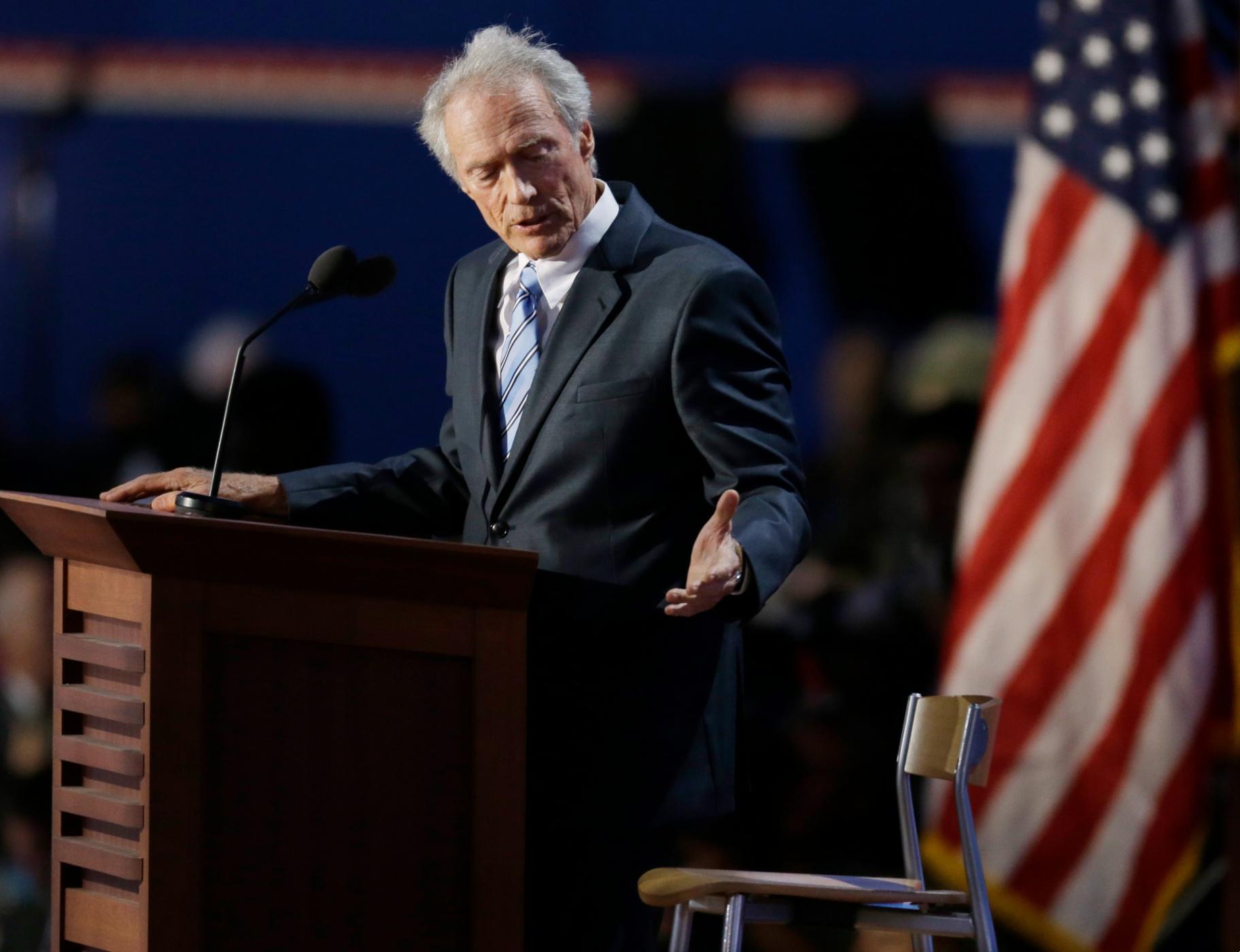
Eastwood’s long-standing relationship with the Republican Party is emblematic of his political journey. He first gained recognition as a politically active figure in the early 1970s when he supported Ronald Reagan’s campaign for the governorship of California. This early involvement solidified his ties to the party, which became evident during subsequent political events. In 2012, Eastwood became widely known for his role as the “Mystery Speaker” at the Republican National Convention, where he directed pointed criticisms towards President Barack Obama, endorsing instead Mitt Romney for the presidency.
It is important to underscore that Eastwood’s political affiliations and support for candidates often stem not just from party loyalty, but also from a belief in specific policies. The actor has maintained that he supports what he views as pragmatic solutions to political issues, rather than adhering strictly to partisan lines. This approach has resonated well with certain segments of the electorate, particularly those who appreciate a less dogmatic stance in political discussions. For more insights into how different political figures approach their affiliations, a look at “Understanding Kano Politics: Key Insights into Governance and Electoral Structures in Nigeria” (https://www.mypoliticalhub.com/2026/01/01/kano-politics-electoral-system/) can be quite illuminating.
Political Philosophy
Eastwood’s self-characterisation as a moderate plays a critical role in understanding his political ideology. He has openly stated that he identifies as “probably a little more moderate, very liberal on some sides and conservative on the others”. This duality reflects his belief that individual issues should be evaluated on their merits rather than through a strictly ideological lens.
His assertion that public perceptions of him as a rightist are largely attributed to the characters he has portrayed in films is revealing. In his view, the often-conservative heroes he has played lead to misconceptions about his actual beliefs. This inherent complexity in his philosophy showcases his willingness to embrace a range of ideologies rather than conform to a single narrative.
Table: Clint Eastwood’s Political Positions
| Political Position | Details |
|---|---|
| Republican Party Support | Support for various Republican candidates, including Ronald Reagan and Mitt Romney. |
| Moderate Philosophy | Identifies as moderate with liberal and conservative views, depending on the issue. |
| Public Perception | Public views influenced by his film roles rather than actual beliefs. |
As can be seen in the table above, Clint Eastwood’s political positions offer insights into both the actor’s beliefs and his image in the public sphere. His inclination towards the Republican Party does not preclude a more nuanced understanding of social and political issues.
Mayoral Service
Election and Term
Clint Eastwood’s political career extended beyond party support and public appearances when he stepped into the political arena as the mayor of Carmel-by-the-Sea, California. Elected on April 8, 1986, Eastwood won approximately 72% of the votes, showcasing robust community support. His election marked a significant shift for the small coastal town, with Eastwood at the helm for a full two-year term, a position he approached with a blend of seriousness and pragmatism.
Municipal Achievements
During his mayorship, Eastwood was credited with several notable accomplishments. He described his achievements as moving away from “punitive attitudes” previously present within the town council. One of his key initiatives was the construction of beach walkways, allowing easier access to the town’s natural beauty. Furthermore, he facilitated the completion of a long-anticipated library annex, a project which had sat in limbo for 25 years.
Perhaps one of his most publicly lauded decisions was to preserve a local restaurant property against condominium development, signalling his commitment to maintaining the town’s character and community-focused ethos. Such initiatives reflect his capacities not just as a performer, but as a leader adept at addressing community needs. For comparisons in local governance, reviewing “What is the Insurrection Act in Politics: History, Legal Authority, and Modern Implications Explained” (https://www.mypoliticalhub.com/uncategorized/what-is-the-insurrection-act-in-politics/) could provide useful context.
Limited Political Ambitions
Eastwood has, however, been clear about his political aspirations; he has consistently downplayed suggestions for pursuing higher political office. In his view, serving as mayor was not intended as a stepping stone to greater ambitions. Rather, it served to align his political activities with his primary career as an actor and director. His comment that he preferred full-time engagement in creative pursuits underscores a priority for balancing his artistic life with civic duty.
In light of his mayoral tenure, it is evident that Eastwood possesses an affinity for local governance over broader political aspirations. This choice resonates well with those who appreciate grounded leadership focusing on community welfare rather than political conquest.
Warnings and Signs
Understanding Eastwood’s political involvement includes recognising the warnings and signs that accompany such a unique career trajectory. The mixed responses to his political affiliations serve as crucial indicators of public sentiment and acceptance.
Recent Political Views
While Eastwood’s earlier involvement with the Republican Party and his critiques of Democratic leadership gained attention, his recent political views have evolved. He has voiced scepticism about extreme partisanship and has underscored the importance of constructive dialogue across political lines.
For those engaged in assessing political figures, recognising how public figures evolve in their political identities can provide insights into broader societal shifts. Eastwood has emerged as a figure urging a more moderate approach, advocating for reasoned debate instead of polarising rhetoric, similar to the discourse explored in “CNN Politics Denmark Kosovo: Uncovering the Disinformation Campaign Behind the Fake Derecognition Claim” (https://www.mypoliticalhub.com/uncategorized/cnn-politics-denmark-kosovo/).
Public Critique
Eastwood has faced public scrutiny for some of his political remarks, particularly those delivered at the Republican National Convention. Critics highlight that such moments may distract from substantive policy discussions. Observers have noted that celebrities operating in political spheres risk alienating portions of their audience, forcing a delicate balancing act.
In general, the warnings associated with celebrity political involvement should be regarded with caution; alienation and backlash can arise when figures shift from entertainment to political commentary. For observers and citizens alike, the key lies in separating an individual’s cinematic contributions from their political pronouncements.
Who is Affected?
The impact of Eastwood’s political involvement extends to various demographics, highlighting the broader audience that observes and interacts with his political statements and actions.
Audience Reach
Eastwood commands a significant following, especially among those who value traditional American values often portrayed in his films. Fans of his cinematic work include not only staunch conservatives but also viewers across the ideological spectrum who appreciate his storytelling prowess. The dual appeal complicates the responses to his political statements; fans may either embrace his views or recoil from them depending on their own political leaning.
Political Discourse
Moreover, Eastwood serves as an intriguing case study in how celebrity engagement influences public political discourse. His willingness to speak out frames his public persona within contemporary dialogues about celebrity influence on politics. Figures like Eastwood can rally supporters or galvanise critiques of their political views, shaping the parameters within which national conversations unfold.
Additionally, by publicly navigating political landscapes, celebrities like Eastwood can influence younger audiences who look up to them as role models. The engagement of influential personalities in political discussions could inspire the next generation of politically active citizens, irrespective of their specific beliefs.
Recommendations: How to Act
For those interested in navigating the complex intersections of celebrity culture and political engagement, there are several key recommendations to consider.
Embrace Nuance
Engaging thoughtfully with the positions of public figures like Clint Eastwood requires recognising the complexity of their beliefs. Individuals are advised to look beyond the surface of celebrity affiliations and attempt to understand the various nuances that inform these figures.
This entails not only examining Eastwood’s political statements but also considering their broader implications within society. Engaging with diverse political perspectives can foster more informed discussions and conversations about contentious issues. A relevant resource can be found in the analysis of “Ricky Gervais Politics Explained: A Deep Dive into His Liberal Roots, Free Speech Views, and Anti-Woke Critiques” (https://www.mypoliticalhub.com/uncategorized/ricky-gervais-politics-explained/).
Engaging Civic Responsibilities
It would be beneficial for citizens to remember the impact of civic involvement, regardless of the political views espoused. Individuals could evaluate local governance measures or influence public policy discussions in a meaningful way. Given Eastwood’s focus on community-related issues during his mayorship, aspiring politicians might heed the importance of addressing local concerns before seeking office at higher levels.
Promote Constructive Dialogue
Finally, advocating for constructive dialogue across divergent political views is essential in navigating today’s increasingly polarised environment. Champions for moderation, like Eastwood, exemplify a call to action for more collaborative political engagement.
Encouraging broad and inclusive conversations that move beyond partisan divides may yield benefits for societal discourse at large, reinforcing the need for empathy and understanding when encountering differing beliefs.
Clint Eastwood’s political engagement serves as a fascinating reflection of contemporary political dynamics. His affiliations with the Republican Party, moderating stance, and commitment to community service weave a complex tapestry of public service and civic engagement. By examining his roles and responsibilities in the political arena, individuals can glean insights into the intricate relationships between celebrity, politics, and civic engagement.
Understanding how influential figures like Eastwood navigate their public personas invites a deeper examination of what it means to be politically engaged in today’s fast-changing landscape. With a focus on moderation, engagement, and community, aspiring citizens can draw valuable lessons from Eastwood’s journey as they seek their paths in the political world.
About The Author