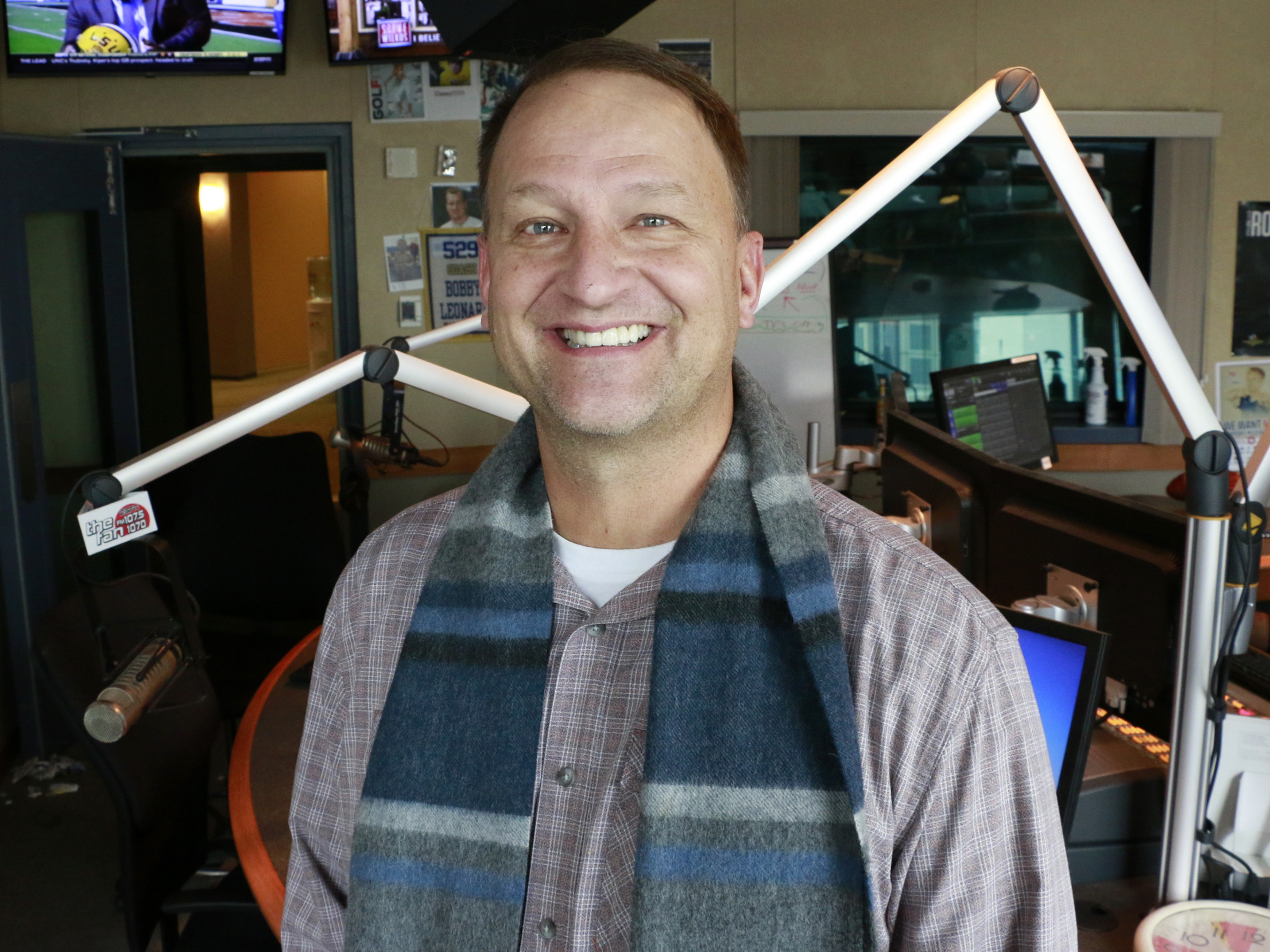
Dan Dakich is a prominent figure in American sports broadcasting, known for a dynamic career spanning college basketball coaching, media commentary, and radio hosting. Though largely celebrated for his work with ESPN and deep ties to Indiana University basketball, his public presence has, at times, stirred reactions across wider sports and academic communities. Born into the fervour of Midwestern basketball and rising through the ranks as both a coach and media personality, Dakich’s influence in sports media continues to attract attention – both supportive and critical.
While Dan Dakich may not have direct ties to the United Kingdom, the global nature of media commentary, coach conduct, and public discussion about sports figures provides meaningful comparisons and insights for sports journalism professionals, academics, and public commentators alike. This article will explore Dakich’s background, professional milestones, media controversies, and broader implications for the interplay between public speech, media presence, and sports culture – all within a framework rooted in responsible journalism and informed audience engagement.
Profile of Dan Dakich: Who He Is and Where He Comes From
Dan Dakich’s name resonates particularly strongly within American college basketball circles. As a former player and coach for Indiana University, and later a commentator for ESPN, Dakich has developed a major profile in sports broadcasting. His straightforward, often unapologetic communication style has won him both admirers and detractors.
Coaching and Early Media Roles
Dakich played under legendary coach Bob Knight at Indiana University and later served as an assistant coach before taking head Coach roles at Bowling Green State University and briefly at Indiana University during a transitional period. This coaching experience laid the groundwork for his later success and credibility as a media commentator.
Dakich’s move into broadcasting came organically once his coaching career shifted. Leveraging his insider knowledge of college basketball, he became a respected analyst on ESPN broadcasts, and over the years, carved out a niche for himself offering in-game analysis, podcast commentary, and long-form radio discussion.
One particularly notable moment from Dakich’s broadcasting career includes an ESPN segment where he shared a personal moment with his son, Michigan guard Andrew Dakich, during Senior Day. His ability to interweave professional insight with personal reflection has made his broadcasts highly watchable for basketball enthusiasts.
A Consistent Voice on Sports Radio
Dakich’s radio interactions are as much a part of his media identity as his TV appearances. He has weighed in on topics ranging from LeBron James’s influence on basketball to the legacy of his mentor, Bobby Knight, and the contemporary performance of the Indiana Pacers. These appear on ESPN Radio features and make evident his status as a seasoned insider on both sports tactics and sports culture.
How Sports Commentary Works: Mechanisms of Influence in Media
The field of sports broadcasting today is more than just calling a game. Analysts and commentators play an instrumental role in shaping the public discourse around players, coaches, strategies, and off-the-court issues. In the United States, and increasingly around the world, sports media personalities can amplify narratives, reinforce biases, or challenge big institutions – often simultaneously.
Dan Dakich exemplifies this multifaceted media presence. Through a mix of radio, television, and social media platforms, he has become part of the wider echo chamber that now defines sports commentary globally. His presence highlights how:
- Sports commentators blur the boundaries between journalism and opinion.
- Commentators create and influence social media-driven debates.
- Expertise and legacy (e.g., past coaching experience) lend legitimacy.
This modern media ecosystem often lacks strict editorial constraints, and commentators like Dakich thrive on candid remarks and assertive positions – which both solidifies their brand and exposes them to controversy. This tension between personal voice and public responsibility is also evident when examining the public commentary challenges faced by other media figures like Scott Adams, whose polarising stances have sparked similar debates on the limits of free expression in the public sphere.
Reactions to Dakich’s Recent Media Incident
In a more recent headline-making event, Dakich gained traction online following a contentious interaction with several college professors. While the specific content of the disagreement remains unspecified in current public sources, the episode elicited widespread reaction across sports media platforms. The story was noted for its broad visibility – trending on social media and prompting a flurry of op-eds, tweets, and statements.
Despite low granular detail on what exactly happened, online responses suggested Dakich may have crossed boundaries that many academics felt were either disrespectful or inappropriate. However, the lack of an official resolution or detailed timeline in available sources prevents deeper factual analysis.
This episode illuminates a growing point of friction between sports media figures and academic culture. In a digital age where journalists, professors, and pundits often share overlapping audiences, boundaries between professionalism and personal expression become highly contested.
Much like Ricky Gervais, who has also drawn public scrutiny over free speech and cultural commentary, Dakich’s situation reflects a broader media climate where bold criticism and controversial voices frequently dominate the headlines and social feeds.
Here is a list of the main elements of the public reaction based on the limited information available:
- Increased social media visibility following the incident.
- Engagement from academic professionals calling out language or remarks.
- Divided public opinion between free speech advocates and accountability proponents.
- Minimal institutional response (no indication of legal or employment ramifications).
Summary of Professional Roles and Appearances
To understand Dakich’s footprint in media and his cross-platform presence, consider the following key roles and representative moments.
| Role | Description | Associated Content |
|---|---|---|
| Colour Commentator | Provided in-game analysis during NCAA basketball events and personal segments. | Featured clip with son Andrew Dakich at Michigan Senior Day |
| Radio Analyst | Guest appearances discussing key NBA and collegiate topics with ESPN Radio. | Segment on LeBron James and commentary on Bobby Knight’s legacy |
| Media Figure in Controversy | Received attention after disagreement with college academics gained public attention. | Coverage by sports news networks and social trends |
Clearly, his broadcasting career is not limited to background commentary. The very nature of Dakich’s storytelling, personal associations, and vocal analysis places him at the heart of sports media culture, mixing personal authenticity with real-time commentary and sharp critiques.
Ethical Considerations and Risks in Public Commentary
The situation involving Dakich brings to attention the fine balance between open commentary and ethical media behaviour. Public discourse is inherently shaped by voices in influential positions. When figures like Dakich express controversial opinions, it inevitably triggers debate over responsibility, platform use, and the potential consequences of misinformation or tone.
In the UK, although Dan Dakich is not governed by British legal frameworks, similar media controversies would fall under the oversight of organisations such as:
- Ofcom (Office of Communications): Responsible for regulating TV, radio, video-on-demand, and electronic communications.
- IPSO (Independent Press Standards Organisation): Regulates editorial standards, accuracy, and complaints procedures for newspapers and magazines.
- Broadcast Journalism Training Council (BJTC): Provides codes of ethics in news reporting and public broadcasting.
This regulatory reality echoes legal and cultural tensions explored in cases like that of Rob Schneider, who also faced transatlantic free speech debates—highlighting key differences between UK and US standards in public comment accountability.
Comparatively, the US has broader free speech protections, but reputational repercussions – especially in the media industry – remain potent. Figures such as Dakich risk losing broadcasting deals or facing public boycotts if they are perceived as breaching ethical lines, even when no legal violation exists.
Who Listens to Dan Dakich and Why It Matters
Dakich’s primary audience includes college basketball fans, Indiana University alumni, coaches, players, and broader sports enthusiasts. Additionally, his content appeals to those who favour unfiltered opinions – reflecting a broader media trend toward conversational broadcasting over traditional journalism.
Audiences in sports media look for:
- Insider access and viewpoints not available through standard news.
- Authentic voices with personal stakes in the sport.
- Biographical and historical narratives that extend beyond stats and games.
Dakich’s background enables him to provide this blend. But with it comes the challenge of audience management and expectation setting. Listeners and viewers often interpret sports commentary through the lens of trust and credibility. When this trust is compromised, responses can be swift and far-reaching – as witnessed in the fallout after Dakich’s professor-related comments.
This tension is not unique to Dakich; other public personalities with bold views, such as Winston Marshall, have also navigated similarly complex interactions between audience expectation, freedom of commentary, and reputational impact.
Navigating Controversy: Guidance for Media Professionals
Though the Dakich case remains uniquely tied to his US-based journey, its dynamics offer helpful points of reflection for UK broadcasters, journalists, and public figures. Issues of public accountability, engagement boundaries, and professionalism in commentary are universal in the media landscape. Consider the following recommendations:
-
Maintain Clear Ethical Guidelines: Establish defined personal boundaries for contentious topics, especially when discussing individuals or institutions.
-
Respond Thoughtfully: When challenged or criticised, consider deliberate engagement rather than immediate rebuttal, especially on social platforms.
-
Prioritise Accuracy: Even in opinion-based content, factual misrepresentation should be avoided. Misinformation undermines credibility. For those interested in how misinformation plays out on global political stages, the Denmark-Kosovo disinformation case is a powerful example of how false narratives can spiral.
-
Use Platform Responsibly: Audiences expect maturity from public figures, particularly where professional or academic commentary is concerned.
-
Stay Updated on Regulatory Contexts: For UK personalities, familiarity with Ofcom and IPSO standards is vital. While Dakich is not subject to them, his case shows the universal need for reputational awareness.
Reflections and Insights
Dan Dakich’s career represents both the opportunities and perils of sports media prominence. His evolution from college coach to popular commentator showcases how personal authenticity and sports insight can create strong media identities. However, this very intensity of presence also poses risks – especially in contentious or poorly contextualised discussions.
His background as a coach, commentator, and father involved in collegiate basketball culture makes him relatable to a niche yet loyal fanbase. But as media scrutiny grows, especially through real-time social responses, figures like Dakich must consistently assess the tone and substance of their discourse.
Ultimately, while Dakich continues to enjoy influence and visibility in the United States, his experiences serve as instructional material for global media figures. In the UK and beyond, the balancing act between candid commentary and responsible communication grows ever more relevant in the age of high-speed opinion sharing and cross-industry dialogue.
About The Author