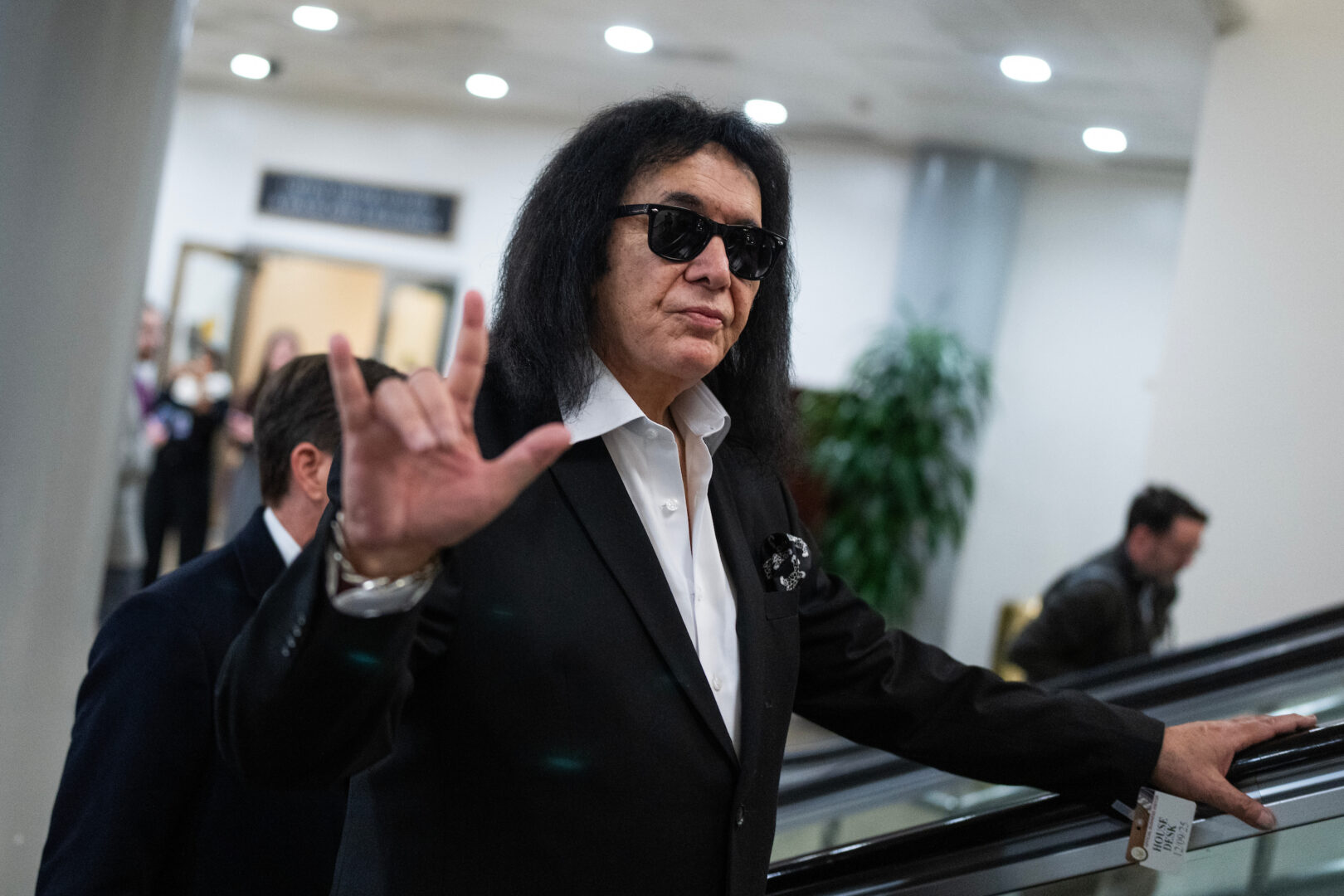
UNITED STATES - DECEMBER 9: Gene Simmons, of the rock band KISS, is seen in the Senate subway on Tuesday, December 9, 2025. Simmons is on the Hill to testify during the Senate Judiciary Subcommittee on Intellectual Property hearing titled “Balancing the Interests of Local Radio, Songwriters, and Performers in the Digital Age.” (Tom Williams/CQ Roll Call)
Gene Simmons, renowned as the co-founder and bassist of the iconic rock band KISS, has captivated audiences for decades with his music and larger-than-life persona. While many might associate Simmons with hard rock and flamboyant stage performances, his foray into political advocacy has gained attention in recent years, particularly concerning issues of artist compensation and music industry reforms in the United States. However, his involvement does not extend to the UK political sphere, leaving a notable absence of references or activities directly related to UK laws, regulations, or frameworks.
The majority of available information centres predominantly on Simmons’ activities in the US, including his high-profile testimony before governmental committees and his passionate advocacy for the American music industry. By examining his contributions and context, we can gain insight into Simmons’ political stance, the implications for artists, and his vision for a more equitable music industry.
What It Is: Music Industry Advocacy
Simmons’ advocacy primarily revolves around the need for comprehensive reforms in music legislation, particularly focusing on the compensation artists receive for their work. His most notable commitment has been his support for the American Music Fairness Act (AMFA), a critical legislative proposal aimed at ensuring artists receive royalties when their music plays on terrestrial radio.
How It Works: Mechanisms of the American Music Fairness Act (AMFA)
The American Music Fairness Act proposes several essential mechanisms to change the current landscape of artist compensation. Below is a deeper understanding of how the act functions within the broader framework of US copyright law.
-
Abolishing the ‘Radio Loophole’: Currently, AM/FM radio stations are not required to pay performers royalties for airplay. AMFA aims to close this loophole, aligning radio station practices with streaming platforms that already compensate artists for airplay.
-
Bipartisan Support: The act boasts support from both Republican and Democratic lawmakers, representing a rare moment of consensus in a divided political environment. It is sponsored by Senate members who resonate with the need for fair compensation.
-
Community Broadcasting Considerations: The bill also considers the impact on community radio stations, aiming to ensure that smaller broadcasters can continue operating while providing fair compensation for artists.
-
Support from Key Industry Players: Backing for AMFA includes prominent music entities and advocacy groups like musicFIRST, SoundExchange, and the Recording Academy. This broad support reflects a significant push from industry stakeholders advocating for artist rights.
Definitions: Key Terms in Music Advocacy
To better understand Simmons’ advocacy and the legislative landscape, the following key terms are relevant:
-
Royalties: Payments made to artists for the use of their music. These can come from live performances, radio play, or streaming services.
-
Licensing: The framework through which music is legally shared or played in public venues or through various media channels.
-
Bipartisan: Politics involving the cooperation of two opposing political parties, particularly important in gaining legislative approval.
Warnings: Risks to Artists Without Changes
A lack of legislative reforms can have dire consequences for artists within the music industry. Without the protections and compensation mechanisms proposed in AMFA, artists might face the following risks:
-
Financial Hardship: Many artists rely on airplay as a source of income; without compensation, they may struggle to make a living from their art.
-
Decreased Creative Output: Financial insecurity can lead artists to limit their creative efforts or retreat from the industry entirely due to economic pressures.
-
Erosion of Music Diversity: A struggle to earn a living can lead to fewer artists being able to produce innovative, diverse music, ultimately impacting cultural richness.
Signs: Indicators of a System in Need of Reform
Several indicators suggest the current music compensation system requires urgent reform:
- Artist Protests: Numerous artists have publicly protested the lack of fair compensation, calling for legislative changes.
- Declining Record Sales: With the advent of digital streaming, many artists experience reduced income from album sales, making compensation from radio play increasingly critical.
- Collective Industry Support: The alignment of various music organizations indicates a unified industry front advocating for change.
Who Is Affected: Audience Insights
The stakes of Simmons’ involvement in advocating for AMFA reach far beyond just the artist community; they resonate with various stakeholders:
-
Musicians: From emerging artists to seasoned professionals, a fair remuneration model directly impacts their livelihood.
-
Songwriters: Individuals responsible for creating the music are equally affected, as their rights to royalties hinge on the successful passage of reform legislation.
-
Radio Stations: Local and national radio stations are also involved. While concerns about the financial implications for smaller broadcasters exist, many recognise the need for artist compensation.
-
Listeners and Fans: Music lovers stand to benefit from a healthier music ecosystem that supports diverse and innovative content.
Recommendations: Actions to Advocate for Change
Given the pressing need for reform in the music industry, several recommendations stand out to not only support Simmons’ efforts but advocate for a future where artists are compensated fairly for their work:
-
Support the American Music Fairness Act: Contact your local lawmakers to express support for legislation that ensures fair pay for artists.
-
Engage with the Artist Community: Attend rallies, listen to musicians, and be part of a broader conversation regarding artist rights.
-
Disseminate Information: Share information on the importance of fair royalties for artists within your social circles to raise awareness.
Table: Key Elements of the American Music Fairness Act
| Element | Description |
|---|---|
| Closing the Radio Loophole | Mandates that AM/FM radio stations must pay royalties to performers. |
| Bipartisan Support | Has garnered approval from lawmakers across the political spectrum. |
| Support from Music Organizations | Endorsed by groups like musicFIRST and the Recording Academy. |
| Impact on Community Stations | Aims to balance financial needs for pay with the sustainability of community broadcasting. |
The introduction of transformative bills like the American Music Fairness Act is critical in shaping a fairer music industry landscape. As more artists advocate for their rights, the awareness surrounding the need for these changes grows, creating an environment ripe for reform.
Through Simmons’ testimony and the support of various stakeholders, there is hope for a future where artistry is not only respected but also financially sustained. Recognising the interconnectedness of artist compensation and the overall health of the music industry is essential for all involved, from musicians to fans.
Ultimately, the path toward change necessitates concerted efforts from all sectors of society. As advocates for artists push for necessary reforms, it becomes imperative that the public and industry stakeholders unite in this pursuit, ensuring music remains a viable and thriving art form for generations to come.
In examining past efforts for industry reform, discussions around important legislation and advocacy can be crucial to understanding future directions. Consider exploring the insights on Understanding Protectionism in the UK (https://www.mypoliticalhub.com/uncategorized/protectionism-uk-policies-explained/) to glean parallels in navigating regulatory landscapes for fair practices.
About The Author