The evolution of Bernie Sanders’ political career offers significant insights into American politics and public service. His journey from local governance to becoming a prominent figure in the U.S. Congress reflects not only personal ambition but also a broader movement towards progressive policies. This article seeks to delve into his political timeline, explore his accomplishments, and examine his influence on contemporary political discourse.
What It Is: The Political Landscape of Bernie Sanders
Bernie Sanders, born on September 8, 1941, is recognised for his advocacy for social justice, economic equality, and governmental reform. He has been active in elected politics since 1981, maintaining a focus on initiatives that challenge the status quo. Sanders’ political ideology can be categorized as democratic socialism, which he defines as advocating for policies that prioritise the needs of the many over the wealth of a few.
How It Works: A Timeline of Political Career
To better understand Sanders’ journey through public service, we can look at a timeline of significant milestones that characterise his career:
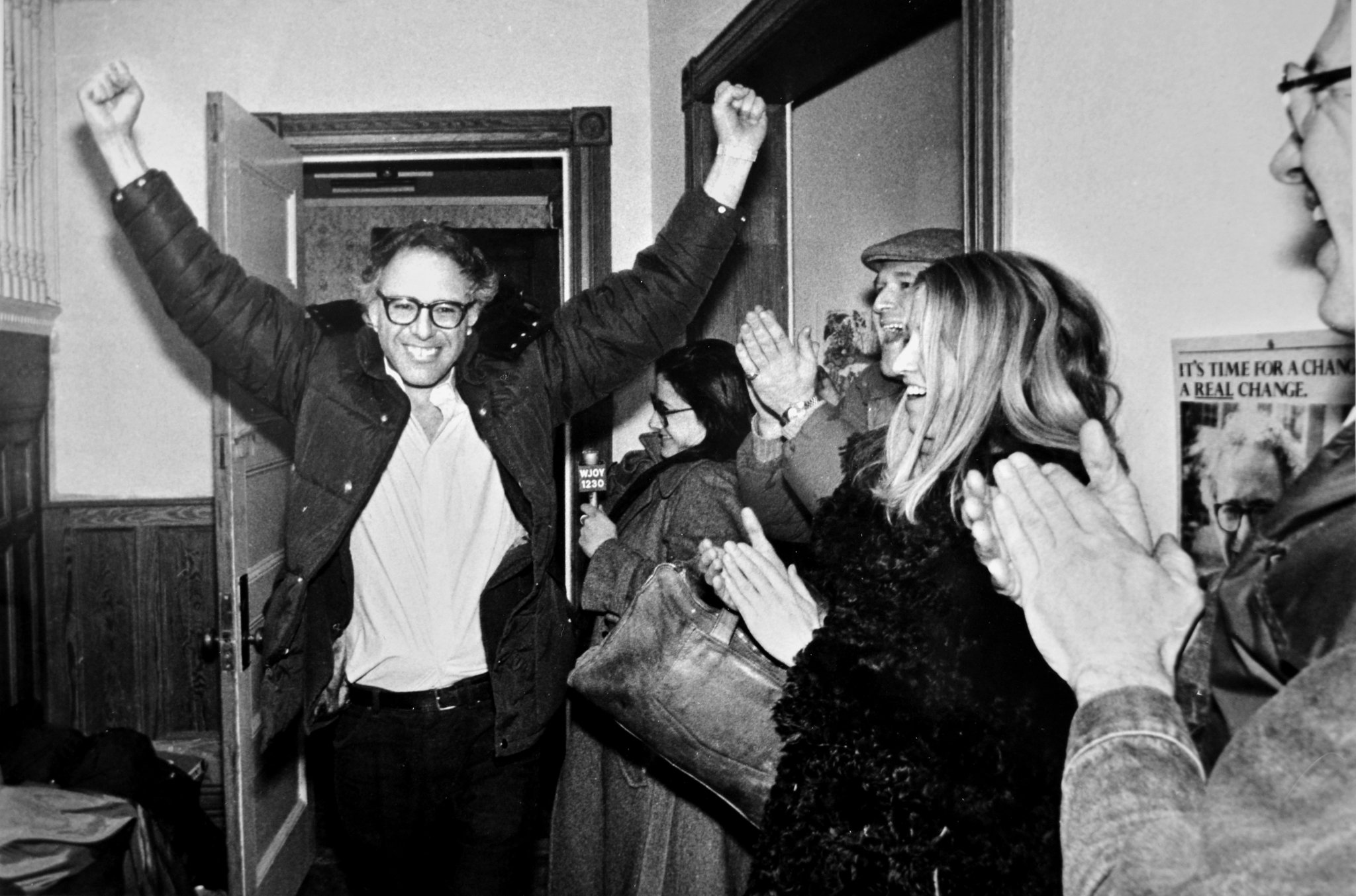
Mayor of Burlington, Vermont (1981–1989): In his early career, Sanders first gained prominence as the mayor of Burlington, Vermont’s largest city. He was elected by a mere ten votes, overcoming previous electoral setbacks. Sanders transformed Burlington through progressive policies focusing on affordable housing, environmental protection, and social equality, despite facing considerable opposition.
U.S. House of Representatives (1991–2007): Sanders’ leap to national politics was marked by his election to the U.S. House of Representatives in 1990. During his 16-year tenure, he was known as the “amendment king” for his capacity to introduce a significant number of amendments. He co-founded the Congressional Progressive Caucus in 1991, which aimed to provide a platform for progressive voices within Congress, establishing connections that shaped his future legislative efforts.
U.S. Senate (2007–present): Elected in 2006, Sanders has served multiple terms in the Senate and continues to be a leading figure for democratic socialism in the United States. Notable events include his role in chairing various committees, such as Veterans’ Affairs and Budget, and his re-election in 2024 after defeating Gerald Malloy with a robust 63% of the vote. He is recognised as the longest-serving independent in U.S. Congressional history.
Upon taking a broader view of his roles, we can create a comprehensive timeline:
| Year | Position | Major Contributions |
|---|---|---|
| 1981 | Mayor of Burlington | Focused on progressive policies despite opposition |
| 1991 | U.S. House of Representatives | Co-founded Congressional Progressive Caucus |
| 2007 | U.S. Senate | Longest-serving independent in Congress |
| 2024 | Senate Reelection | Defeated Gerald Malloy with 63% of the vote |
This comprehensive timeline demonstrates Sanders’ unwavering commitment to his ideals and constituents over the decades.
Definitions and Mechanism of Influence
Sanders’ work within the various offices he held reflects significant underlying mechanisms that define his political influence. His primary tool for enacting change has been strong advocacy for progressive and welfare-centered legislation. His ethos revolves around the redistribution of wealth to ensure equitable access to education, healthcare, and employment.
Sanders’ campaigns often focus on grassroots strategies, securing funding and support from small-dollar donations to enhance his message of political reform against corporate interests. This approach not only amplifies his credibility among voters but also challenges traditional fundraising mechanisms used by established political parties.
Warnings and Signs of Political Resilience
Despite his success, Sanders’ political career has not been devoid of challenges. Opposition from mainstream Democratic and Republican establishments has been a constant, sometimes manifesting in active attempts to undermine his efforts. Warnings of political fatigue, particularly following contentious primary races in both 2016 and 2020, have been suggested. Nevertheless, Sanders has consistently exposed the flaws within the political system, using each setback as a learning opportunity to galvanise future support.
Significantly, signs of Sanders’ political resilience can be identified through:
- Persistent public support for social welfare programmes.
- Continuous engagement with young voters who resonate with his vision of equality.
- Ongoing influence in shaping critical issues such as climate policy and healthcare reform.
Who is Affected: Sanders’ Audience and Constituents
Sanders is predominantly associated with a wide array of audiences, including young people, working-class citizens, and those affected by economic inequality. His messaging resonates particularly well with voters who feel disenfranchised or overlooked by the political elite.
Moreover, Sanders’ commitment to universal healthcare, tuition-free education, and climate reform speaks to a growing concern among voters about the sustainability of their quality of life. His audience is not just limited to Vermont but extends across the nation, as evidenced by his broad appeal during presidential nominations.
Recommendations: How to Act and Engage
For individuals or groups interested in engaging with Sanders’ political philosophy, it is crucial to understand the following recommendations:
-
Educate Yourself: Familiarise yourself with the principles of democratic socialism and progressive policies that Sanders advocates. Understanding the rationale behind these approaches is key to constructive dialogue.
-
Participate in Civic Engagement: Join local organisations or movements that align with Sanders’ vision to advocate for social change. Grassroots movements often provide a fertile ground for furthering these ideals.
-
Support Issues: Follow and support initiatives and policies that Sanders champions, such as Medicare for All or climate action plans.
-
Raise Awareness: Utilise social media and community platforms to raise awareness about progressive issues. Engaging with peers can influence broader public sentiment and political discourse.
-
Vote: Participation in elections, both local and national, is crucial. Voting for candidates who reflect progressive values helps shift the balance of power towards those ideals.
An Overview of Bernie Sanders’ Impact
The trajectory of Bernie Sanders’ political career highlights a commitment to progressive ideals that challenge the mediocrity of mainstream politics. His resilience in the face of opposition and the ability to galvanise support for historically contentious issues demonstrate his importance as a political figure.
By championing social justice, economic equality, and environmental sustainability, Sanders has paved the way for discussions that reshape contemporary political discourse in the United States. His legacy is not just etched in his actions but in the growing awareness and commitment towards progressive reforms at grassroots levels. Encouraging further discussions around these subjects is vital to maintaining the momentum he has built during his impressive political tenure.
Recognising his efforts allows for a deeper understanding of not only American politics but also how individuals can actively participate in shaping their societal landscape. Acknowledging the issues at hand, educating oneself, and advocating for change are steps that everyone can undertake, irrespective of political affiliation.
About The Author