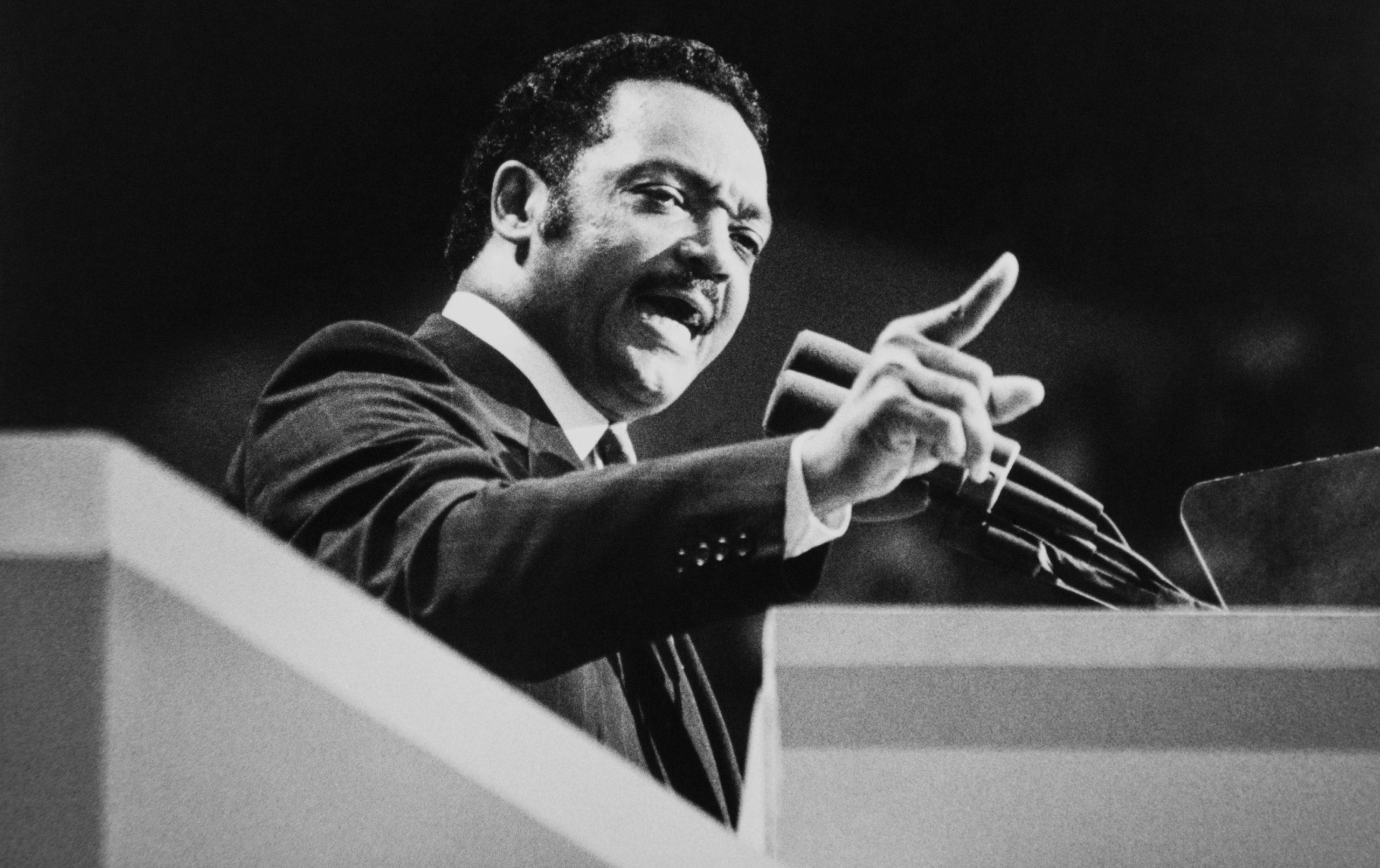
Jesse Jackson was a leading figure in the American civil rights movement, making significant contributions as an activist, politician, and founder of various organizations aimed at advancing racial, gender, and economic justice. His work spanned decades and encompassed a broad array of social issues. This article explores his life, political career, major recognitions, and lasting impact on civil rights.
What It Is / Definitions
Jesse Jackson’s name is synonymous with civil rights activism in the United States. He was born on October 8, 1941, in Greenville, South Carolina. He grew up in a segregated South, where racial discrimination was a daily reality for African Americans. After graduating from North Carolina A&T State University, Jackson initially followed a religious path, becoming an ordained minister. However, his passion for social justice propelled him into the civil rights arena.
Jackson gained notable attention as a protégé of Martin Luther King Jr. during the height of the civil rights movement. His activism has made him a pivotal figure in advocating for marginalized communities, influencing legislation, and promoting equal rights.
How It Works / Mechanism
Before diving into Jackson’s career and impact, it is essential to understand the broader mechanisms of civil rights activism. This includes lobbying for legislative reforms, mobilising communities for voter registration, and engaging in international diplomacy. Activism is rooted in grassroots movements, where individuals unite to demand change, often encompassing various methods such as peaceful protests, political lobbying, and public engagement through media platforms. For insights into global political engagement, you may find value in the article on Understanding Kano Politics.
This framework becomes the backbone of Jackson’s political and activist work. He utilized multiple platforms to amplify the voices of those who had been historically silenced.
Political Career and Activism
Shadow Senator and Presidential Campaigns
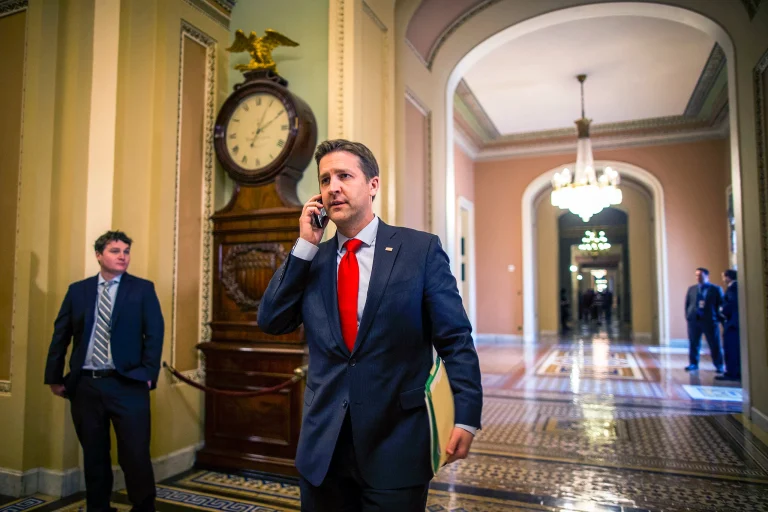
Jackson’s political journey was diverse. He served as the shadow senator for the District of Columbia from 1990 to 1997. Although this role was unpaid and did not grant him full Senate privileges, it allowed him to advocate passionately for D.C. statehood, acting as a voice for constituents who lacked representation in Congress. This advocacy highlighted the issue of disenfranchisement facing residents of the District of Columbia.
In addition, Jackson made two bids for the Democratic presidential nomination, first in 1984 and again in 1988. Both campaigns focused on key issues such as:
- Universal healthcare
- Higher taxes on the wealthy
- Defence cuts in favour of social spending
- Ratification of the Equal Rights Amendment
- Anti-discrimination policies for LGBTQIA+ individuals
His presidential campaigns were groundbreaking, as he became one of the first African Americans to run for president under a major party, bringing discussions on race, inequality, and social justice into the national dialogue. To understand similar movements in political landscapes, contenders might reference the topic of What is the Insurrection Act in Politics.
Key Voter Registration Efforts
A significant aspect of Jackson’s activism was his role in voter registration drives. He played a crucial role in the 1983 election of Harold Washington as Chicago’s first Black mayor. This campaign illustrated the transformative power of inclusive political participation. By mobilising voters, Jackson demonstrated how grassroots movements could affect political landscapes. For further context on community engagement, check out the post on Election Maps Twitter.
Founding and Developing the Rainbow Coalition
In 1984, Jackson founded the National Rainbow Coalition, which was ultimately merged into the Rainbow/PUSH Coalition in 1996. This organisation was dedicated to advocating for equal rights across various groups while focusing on economic empowerment and social justice initiatives. The Rainbow/PUSH Coalition also sought to unify diverse communities to fight against institutional injustices. Insights from Jackson’s coalition work echo some sentiments found in Dolly Parton Politics Explained, emphasizing non-partisan advocacy and coalition-building.
Unofficial Diplomatic Roles
Beyond domestic politics, Jackson’s activism crossed international borders. He informally acted as a diplomat, negotiating the release of American hostages in Syria (1984), Iraq (1990), and Yugoslavia (1999). His diplomatic efforts demonstrated the breadth of his influence, showing how civil rights advocacy could extend into international relations.
In 1997, President Bill Clinton appointed Jackson as a special envoy to Africa, further underscoring Jackson’s role in international diplomacy and humanitarian efforts.
Criticisms and Media Engagement
Throughout his career, Jackson was not without controversy. He often faced criticism for his vocal opposition to police brutality and conservative policies. However, he remained steadfast in his convictions, using platforms such as CNN’s “Both Sides with Jesse Jackson” from 1992 to 2000 to engage with varying perspectives on critical issues, aiming to foster dialogue around contentious topics.
Recognition and Legacy
Jackson’s contributions to civil rights have been widely recognised through numerous accolades. He received the prestigious NAACP President’s Award in 1988 and the Spingarn Medal in 1989 for his extraordinary efforts towards voting rights, economic justice, and anti-discrimination initiatives. In 2000, he was awarded the Presidential Medal of Freedom, the highest civilian honour in the United States, acknowledging his lifetime of work towards achieving equality.
Moreover, his close collaboration with Martin Luther King Jr. in the Southern Christian Leadership Conference (SCLC) helped shape the modern landscape of civil rights activism, proving that the efforts of one individual can ignite substantial change in society.
Warnings / Signs
Despite his successes, the pathway of civil rights activism is fraught with challenges. Activists often face various societal pushbacks, including threats, violence, and systemic resistance. Jackson’s life exemplifies the sacrifices associated with the pursuit of justice. His advocacy for police reform and anti-discrimination policies often led to heated discussions, emphasising the need for continued vigilance against injustices.
Who is Affected / Audience
The impact of Jackson’s work extends far beyond the African American community, affecting various racial, ethnic, and gender groups who face systemic barriers. His initiatives have had a ripple effect, inspiring individuals and organisations aiming to achieve social justice globally. Jackson’s teachings resonate with a diverse audience, as many seek to address inequality in its many forms, spanning socioeconomic status, sexual orientation, and geographic location.
Recommendations / How to Act
For those inspired by Jackson’s legacy, there are several pathways to engage in activism:
- Educate Yourself and Others: Understanding the history of civil rights and the ongoing struggles is vital. Attend seminars, read literature, and engage in discussions.
- Engage in Local Politics: Participate in local elections and advocate for candidates who align with your views on social justice.
- Become Active in Community Organizations: Join or support organisations focused on civil rights, economic empowerment, or social justice. Contributing to existing efforts can amplify your impact.
- Utilise Social Media: Modern activism often leverages social media platforms to raise awareness. Share information and mobilise community actions through these channels.
- Volunteer for Voter Registration Drives: Engaging in these efforts can substantially increase participation in the democratic process.
- Support Economic Initiatives for Marginalised Communities: Invest time and resources into businesses and organisations aimed at empowering underserved demographics.
Each of these activities not only honours the legacy of Jesse Jackson but also contributes meaningfully to an egalitarian society.
Analysis and Other Considerations
Jackson’s multifaceted career showcases the significance of persistence and resilience in activism. He embodies a firebrand spirit that urges individuals to push for change despite societal constraints. His experiences reveal that the road to social justice is complex and often burdensome; however, the rewards—greater equity, enhanced voices for the silenced, and meaningful legislation—are invaluable.
Additionally, the importance of coalitions, such as the Rainbow/PUSH Coalition, reminds us that collective action can yield significant outcomes. Through collaboration, communities can unite disparate efforts, creating a robust front against systemic injustices. Insights on coalition dynamics may also be drawn from the discussions surrounding Understanding Protectionism in the UK.
In examining Jackson’s career, one must also consider the shifting landscape of activism in contemporary society. The past few years have seen a resurgence in global movements addressing racial injustice, climate change, and economic disparity. These themes echo much of Jackson’s work, revealing an intrinsic connection between historical struggles and modern activism.
Jesse Jackson remains a towering figure in American history, illustrating the critical intersection of civil rights activism and political engagement. His pioneering efforts have not only advanced social justice in the United States but also provided a framework for international advocacy. With recognition from significant organisations and government entities, Jackson’s legacy is solidified within the annals of American history.
Engaging with Jackson’s narrative encourages current and future generations to fight against inequality and work towards a more just society. His life serves as a reminder that while challenges exist, the persistent efforts of individuals can lead to transformative societal change.
The legacy of Jesse Jackson continues to inspire a multifaceted movement toward equality, urging an ongoing commitment to justice, activism, and community engagement for a better world. Understanding his contributions allows us to appreciate the power of grassroots activism and the importance of standing up for all marginalized communities.
About The Author