Here is the revised blog post with internal links naturally and relevantly integrated:
The public gaze often turns intense when elite athletes reach the peak of their careers, and Jutta Leerdam is no exception. As one of the most successful Dutch speed skaters of her generation, Leerdam has come under extensive media coverage – both for her athletic prowess and her personal lifestyle choices. However, recent interest has sparked from an angle that doesn’t appear valid upon review: allegations or discussions linking her to political involvement. This article systematically explores these topics to clarify what is based on fact, what is misunderstood, and how celebrity behaviour is interpreted in today’s media climate, especially when no political involvement is documented.
Who is Jutta Leerdam?
Jutta Leerdam is a Dutch speed skater born in 1998, recognised globally for her high-speed performances on ice. Her career achievements speak volumes for her abilities and discipline. At the 2022 Beijing Winter Olympics, Leerdam brought home a silver medal in the women’s 1,000m race. She took her dominance a step further by winning gold in the same distance at the 2026 Milan-Cortina Games, setting an Olympic record with a time of 1:12.31.
The elephant in the room is the swirling internet discussions suggesting she may have political affiliations or involvement. This is categorically untrue based on all available data as of February 2026. She is an athlete – and beyond sports, she enjoys a high-profile relationship and openly lives a modern influencer lifestyle. Neither her public statements, affiliations, nor her professional associations show any engagement with political movements, commentary, or activism.
This growing phenomenon of mistaking public scrutiny or viral controversy as political input is not unique to Leerdam. Similar confusion has surrounded other public figures as explored in articles like Alix Earle politics, where media speculation didn’t reflect any legitimate political positioning.
Athletic Identity, Not Political
To understand the confusion, it’s crucial to start by defining her public identity. Jutta Leerdam is not a political figure, commentator, or activist. She is a sports personality whose domain is the 400-metre speed skating oval.
Her definition by all known records is straightforward:
- Profession: Professional speed skater
- Affiliations: Team KaFra, Dutch National Speed Skating Programme, International Skating Union (ISU)
- Performance Stats: 12 World Championship medals including 6 golds, 2 Olympic medals including 1 gold in 2026
- Nationality: Dutch
There are no public records, speeches, interviews, or official support demonstrating political viewpoints or alignment with causes, parties, or issues – in the Netherlands or internationally.
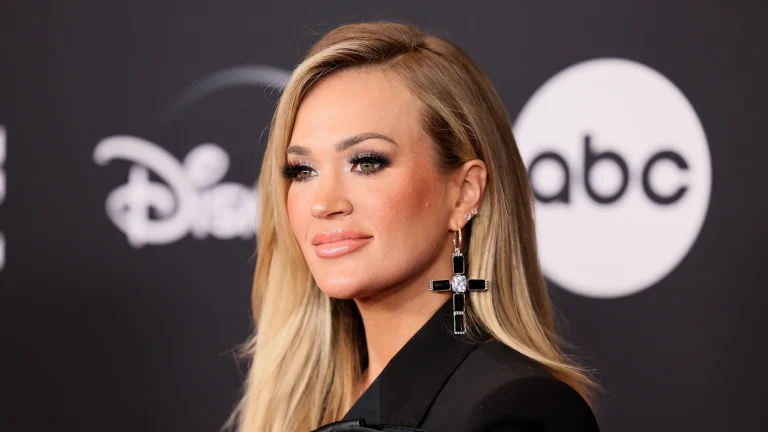
Leerdam’s apolitical stature is consistent with other public figures who maintain deliberate neutrality on political matters, such as Carrie Underwood, another celebrity subject to similar assumptions based solely on fame and visibility.
How Jutta Leerdam Operates in the Public Eye
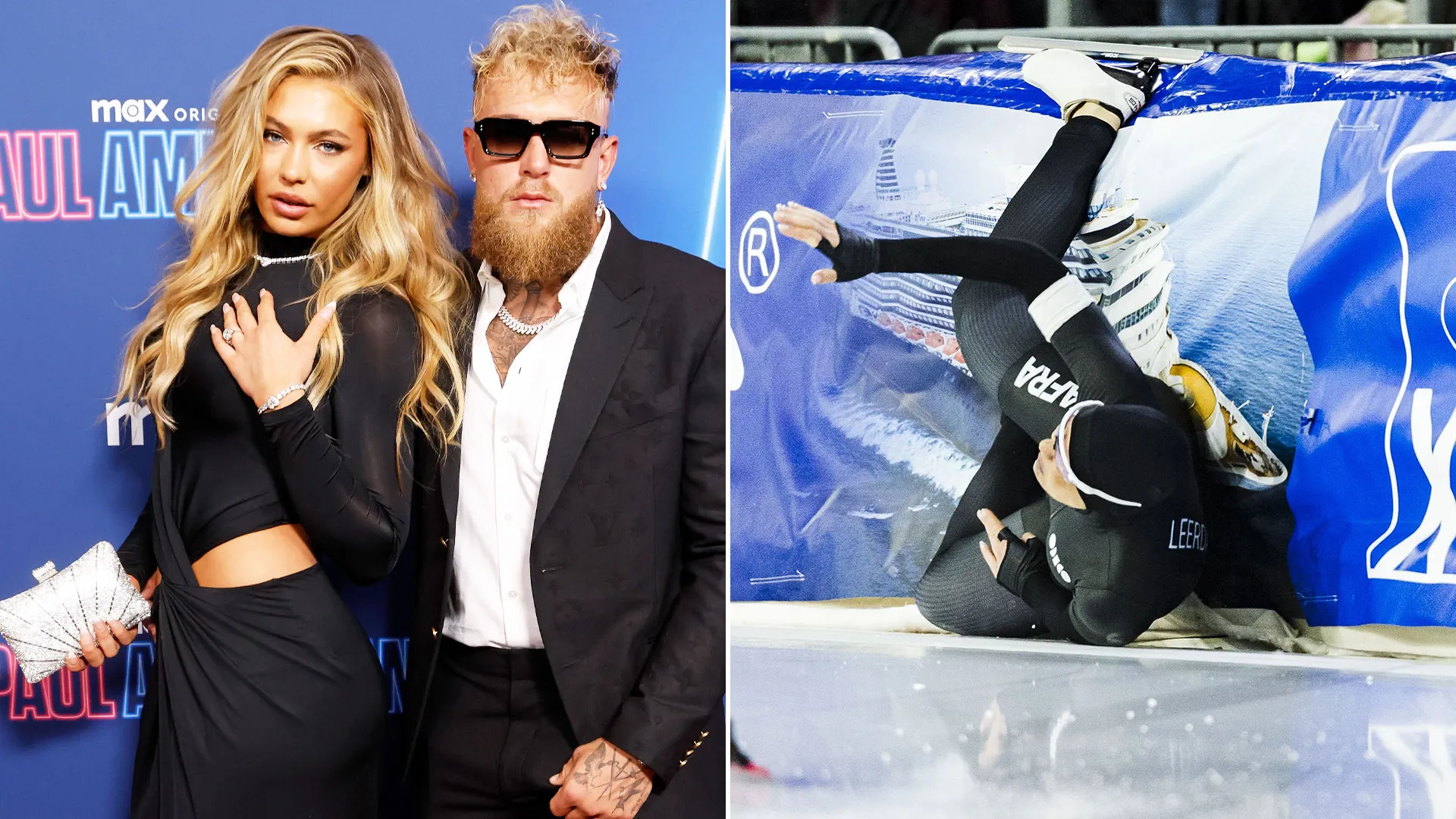
Leerdam isn’t just visible due to her Olympic status; she also attracts a large following on social media, with over five million followers on Instagram. Part of this fame is enhanced by her relationship with American influencer and boxer Jake Paul, a figure well-known for being constantly in the spotlight – not necessarily for political commentary, but for entertainment and sports.
Her career trajectory is built upon individual talent. An interesting point to note is that Leerdam qualified for the 2026 Olympics alone from Team KaFra, without prominent Dutch teammates like Kai Verbij or Ted Dalrymple making the cut. This unique qualification further placed her in solo media glare. Understandably, being a standout in selection, performance, and personality helps create a compelling (and sometimes divisive) figure in press coverage.
In essence, the intense coverage of her personal life mirrors broader media patterns, as seen with other athletes like Lindsey Vonn, where lifestyle or public appearances are misconstrued as political statements when they’re often far from it.
Lifestyle-Related Criticism – Not Political Debate
Most recent headlines involving Jutta Leerdam’s name stem from a lifestyle choice: travelling to the 2026 Milan-Cortina Olympics via private jet from Salzburg, Austria, with her family. This triggered notable criticism in the Dutch, UK, and German press. Dutch sports commentator Johan Derksen called the choice “stuitend” (outrageous), asserting that such opulent conduct clashes with traditional sporting humility.
UK media, including The Sun, picked up the story, reporting on the scrutiny she faced rather than offering their own criticism. German publication Bild also covered it, with connotations of possible arrogance or entitlement.
Importantly, this media attention is not about political ideologies or affiliations. It’s best categorised as celebrity scrutiny, standard for high-profile individuals in entertainment and sports. Her critics addressed perceived conduct, not political statements.
Cultural reactions like this parallel that of Ricky Gervais whose critiques and persona spark ideological interpretation primarily because of his outspoken nature – even when his actual politics remain complex or misread.
Here is a breakdown of the main lifestyle controversies tied to Leerdam – again, none political in nature:
| Controversy Topic | Details | Nature of Criticism | Political Involvement? |
|---|---|---|---|
| Private Jet Travel | Flew from Salzburg to Milan with family before Olympics | Seen as excessive and unsustainable by Dutch commentators | No |
| Public Relationship | Often shares relationship with Jake Paul online | Considered too “influencer-centric” for a top athlete by some critics | No |
| Social Media Presence | Influencer persona with frequent promotional content | Traditional sports media allege distraction from core athletic focus | No |
As this table demonstrates, none of the controversies involving Jutta Leerdam stem from political positions or activism, and the media response, although occasionally critical, has been framed in social or cultural terms.
Legal Landscape in the UK – Irrelevant to Leerdam
Given that the UK media has covered some of the backlash, it’s worth briefly surveying whether existing UK laws or public expectations about influential figures draw political lines in sports, particularly across borders.
In the UK, athletes are under no legal obligation to maintain or diverge from political commentary. Famous UK athletes – from Marcus Rashford to Lewis Hamilton – choose whether to engage politically. But in Leerdam’s case, residing in the Netherlands and competing under its flag means British laws or norms have no jurisdiction or relevance to her professional conduct.
Thus, no UK legal framework applies to her situation. Furthermore, regulatory bodies in the UK, such as UK Sport or British Olympic Association, have no relationship with Jutta Leerdam’s career or public status.
This distinction is key to preventing confusion seen in cases like Charlize Theron, whose activism is sometimes mistakenly viewed as influencing jurisdictions where she has no legal connection.
Who Oversees Athletes Like Leerdam?
To understand governance, we must identify the organisations responsible for her training, qualification, and athletic compliance. These include:
- KNSB (Royal Dutch Skating Federation): Domestic body governing ice skating disciplines in the Netherlands.
- NOC*NSF (Dutch Olympic Committee): Responsible for Olympic athlete preparation and team selection.
- ISU (International Skating Union): Oversees international events including World Championships and Olympic qualifications.
None of these bodies enforce political codes or speech limitations unless an athlete violates sportsmanship rules universally adopted under the Olympic Charter.
This means athletes can engage or refrain from political involvement freely. In Jutta Leerdam’s case, she has refrained – her record remains apolitical, compliant, and professional.
Situations Where Political Involvement by Athletes Becomes Notable
To provide context, it helps to identify when or why athletes do get politically linked. Below is a list of common scenarios – none of which currently apply to Jutta Leerdam:
- Speaking out or posting about political issues or campaigns
- Donating or collaborating with political parties or lobby groups
- Participating in protests, demonstrations, or civic activism
- Using platforms to voice systematic criticisms (e.g. human rights, climate policy)
- Running for political office or aligning with government figures
Leerdam is involved in none of these actions. She does not comment on national, European, or international politics, doesn’t attend advocacy events, and remains focused on sport and personal branding.
This dynamic mirrors the cautious neutrality adopted by others such as Dolly Parton, who maintains public goodwill precisely by avoiding political alignment despite her cultural influence.
Risks and Reputational Elements for Public Sports Figures
Every public figure risks reputational vulnerability once they become household names. While political risks do not currently apply to Leerdam, below are real considerations she faces:
- Media backlash over perceived excess (e.g., flying private during a climate-conscious era)
- Critique over merging elite sport with influencer culture, especially for female athletes who often face gendered observations
- Speculation over ambition and independence, particularly after qualifying uniquely for 2026 Games without team peers
However, all of these remain personal and cultural challenges, not political. The international spotlight merely amplifies audience scrutiny.
Reliable Recommendations for Public Clarity
For audiences, journalists, and researchers, separating criticism from ideology is essential. Where there is backlash or controversy, it doesn’t equate to deeper political significance. Responsible reporting and analysis demand evidence-based evaluation.
Similarly, for public figures including athletes, maintaining clarity in what they support or avoid is key to managing public interpretation. In Jutta Leerdam’s case, she might choose not to comment on speculation, keeping focus firmly on her stellar sportsmanship and career milestones.
Public interest in Jutta Leerdam is understandable due to her achievements, powerful persona, and high-profile life. However, based on verified records and current reporting, she displays no signs of political involvement or alignment.
The speculation arising from recent controversy is better described as cultural critique about lifestyle rather than political engagement. Media in the Netherlands, UK, and Germany reported extensively on her travel choices, but none suggested political meaning behind them. This reinforces that the backlash she faces is characteristic of fame, not politics.
She remains accountable to governing bodies like KNSB and ISU and continues to meet their performance and conduct standards. UK law, organisations, or political frameworks hold no authority over her, and no British-language reporting has tied her to any movement or debate of political nature.
The valid interpretation is that Jutta Leerdam is a world-class athlete subject to the public eye, especially in today’s convergence between influencer culture and elite sport. Inquiry into her political stances yields no results because there are none – her focus lies in athletic excellence and personal life disclosure through social media platforms, not political influence or activism.
About The Author