Here is the revised blog post with internal links added naturally and appropriately:
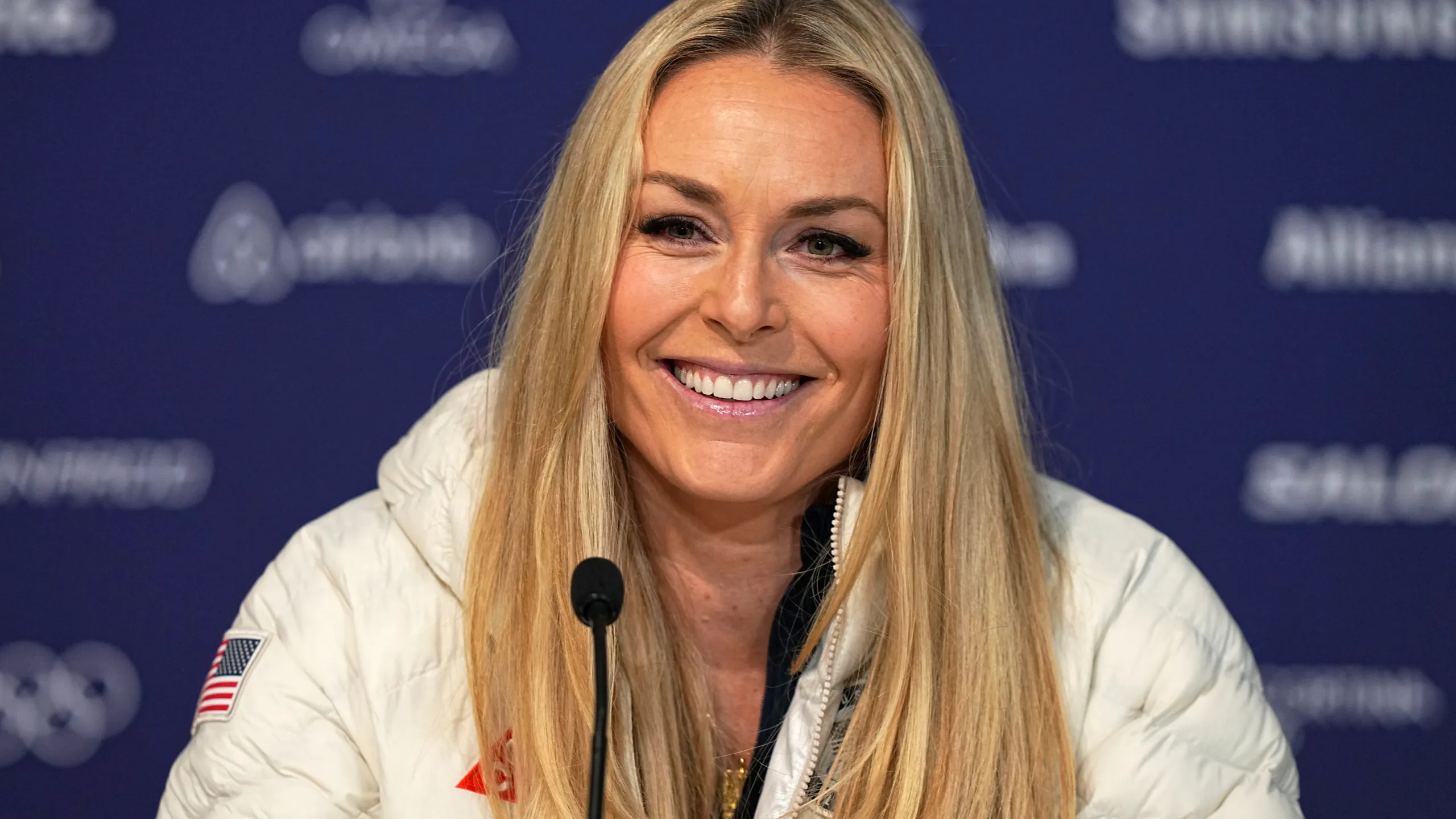
Lindsey Vonn’s career as one of the most decorated alpine ski racers in history is matched by a remarkably restrained public stance on political matters. As a high-profile American athlete, and an Olympic gold medallist, her influence is undeniable. Yet, in contrast to some contemporaries who have taken a more active role in political discourse or activism, Vonn’s comments have been minimal, though not without significance or controversy.
This article explores Vonn’s political statements, the public reaction they provoked, and the context in which they occurred. We further examine whether there is any relevance of these opinions within a UK context – legal or otherwise – and what this illustrates about the intersection of sport, politics, and free expression in a global environment.
Understanding Lindsey Vonn’s Political Expressions
Lindsey Vonn is primarily known for her performance on the slopes, including her groundbreaking Olympic gold medal in 2010 and record-setting podium finishes in World Cup ski races. However, in 2017, she publicly differentiated herself from many professional athletes by making a political comment that drew national attention in the United States.
Defining Political Statements in the Sporting Arena
A political statement can vary considerably in scope and tone. In modern discourse, it might encompass formal party affiliations, campaign endorsements, or participation in protests. Similarly, it could include visual symbols – such as kneeling during national anthems or wearing specific clothing – or direct verbal criticism of government policies or leaders.
Lindsey Vonn’s example rests within the verbal critique category. Rather than forming a sustained political persona, her comments were framed as reflections on leadership, representation, and respect for differing views. She has not endorsed any political party, campaigned for any candidate, or participated in any organised activism.
This approach to commentary echoes the stance taken by other figures in public life who reflect on politics from a more personal than programmatic perspective, such as Dolly Parton’s unique non-partisan advocacy, often referred to as “Dollytics.”
The 2017 CNN Interview: Statement and Repercussions
In an interview conducted by CNN in December 2017, Vonn was asked about potentially visiting the White House if she medalled in the 2018 PyeongChang Winter Olympics. She responded by stating:
“I hope to represent the people of the United States, not the president.”
Her implication was that the role of an Olympic athlete lies in embodying the values and spirit of a nation, not aligning politically with its current administration. This statement, aimed at then-President Donald Trump, quickly drew both support and ire across social media and mainstream news platforms.
Much like Scott Adams’s controversial rise in public discourse, Vonn’s remark brought her into focus less for her intent and more for the political interpretations others projected onto her words.
Instagram Clarification and Public Response
Following widespread feedback on her comments, Vonn took to Instagram in a follow-up post. She clarified the intent of her position:
“I was asked my opinion and I gave it. I’ve always tried to give back by representing my country in international competitions… I take a lot of pride in being an American and representing my country abroad.”
She also addressed the nature of some of the backlash, which alarmingly included messages wishing her harm or failure:
“It is hurtful to read comments where people are wishing me bad things. But the fact that this divide exists shows me just how far we are from where we need to be.”
This exchange underscores the increasing scrutiny placed on athletes when they engage – even minimally – with political themes. It reflects a broader public pattern, as seen when Winston Marshall faced media rhetoric following his remarks on Brexit and national identity upon leaving Mumford & Sons.
Table: Key Events and Statements Related to Lindsey Vonn’s Political Views
The following table outlines key events, her public statements, and the associated reactions:
| Date | Event | Vonn’s Statement | Public/Media Reaction |
|---|---|---|---|
| December 2017 | CNN Interview | “I hope to represent the people… not the president.” | Mixed reactions. Some praise, others criticism and threats. |
| December 2017 | Instagram Post | Clarified intent, emphasised hope and inclusion. | Continued division. Conservative figures criticised her stance. |
| February 2025 | USOPC Media Summit | Dodged question on future White House visit: “I want to keep my passport.” | Received humorous media coverage, no major political backlash. |
Although these moments are not extensive, they were sufficient to draw considerable attention, hinting at the power of even limited political expression when emanating from a prominent figure.
Mechanism of Public Backlash and Division
The manner in which the public engages with athletes’ views today is often fuelled by social media algorithms that amplify divisive content. Vonn’s neutral statement was interpreted by some as unpatriotic simply because it did not align with the views of the then-government and its supporters.
Her experience illustrates the tension that arises when public personas comment – even indirectly – on leadership. Athletes are now often viewed as representatives of moral or ideological positions, which increases the likelihood of their words being politicised, regardless of intent.
This type of hyper-reactivity is also seen in increasingly polarised responses to cultural figures like Ricky Gervais, whose liberal and anti-woke stance often triggers intense debate from both ends of the political spectrum.
Is Vonn’s Case Relevant to the UK Legal or Political Framework?
As of 2026, there is no evidence linking Lindsey Vonn’s political statements to any formal implications in the United Kingdom. She has not lived, trained, or competed under the jurisdiction of any British sporting agency, nor has she engaged in political discourse related to UK institutions, political parties, or candidates.
The UK’s Human Rights Act 1998, which incorporates the European Convention on Human Rights (ECHR), notably Article 10, protects the right to free expression. This right would underpin the kind of political speech Vonn offered. However, as a foreign national making statements about her own country while residing in the US, there is no legal or administrative consequence in the UK for her remarks.
Still, it’s illuminating to compare Vonn’s context with other public figures like Rob Schneider and his claims about UK free speech, where questions of jurisdiction, national law, and media responsibility similarly intersect.
Who Is Affected by Athlete Political Statements?
While Vonn did not pursue a political career or formal activism, her comments contributed to a broader discussion about who should be considered a representative of national identity. In many ways, her statement was not anti-government, but introspective and civic in nature.
Groups most commonly affected by statements like Vonn’s include:
- Fellow Athletes: They may face questions on where they stand or are expected to speak out similarly.
- The Sporting Public: Fans often divide along political lines, affecting viewership and public support.
- Governing Bodies: Institutions like USOPC or IOC may have to address media interest or internal pressures.
- Political Commentators: Figures such as Tomi Lahren use athlete statements to examine perceived national values.
Risks and Implications of Athlete Political Commentary
The risks athletes face include direct threats, loss of sponsorship, exclusion from events, or verbal attacks in the media. While Vonn remains a celebrated icon in sports, her brief political statement did expose her to such vulnerabilities.
These effects reveal the balancing act athletes must perform between personal integrity and public expectation. Notably:
- Security: High-profile figures can receive threats for perceived partisanship.
- Career Impact: Certain endorsements or organisational support might diminish depending on public perception.
- Civic Expectation: Athletes may feel an obligation to speak despite personal discomfort.
Recommendations for Athletes Navigating Public Discourse
While not every athlete chooses to speak publicly on political matters, here are some recommendations based on experiences such as Vonn’s:
- Clarify Intent Early: If making a political statement, accompany it with context to reduce misinterpretation.
- Understand Audience Sensitivities: Know that even neutral comments can be received as partisan.
- Legal Awareness: Be familiar with national and international rights to free speech and representative consequences, especially given how dramatically interpretations can vary, as explored in UK fact-checking mechanisms.
- Digital Security Planning: Prepare for backlash with safety plans and platform management.
Guided Advice for Sports Institutions and Media
For governing bodies and journalists covering athletes’ political views, neutrality and factual reporting remain essential. Sports reporting should aim to:
- Avoid amplifying hostile digital reactions disproportionally.
- Include context around athlete statements.
- Uphold athlete dignity and human rights during controversies.
- Refrain from forcing statements or framing neutrality as complicity.
Notable Comparison: UK-based Athletes and Political Expression
To provide perspective, UK athletes such as Marcus Rashford and Lewis Hamilton have made sustained campaigns on social and political issues, including poverty, racism, and climate change. Unlike Vonn’s single-instance commentary, these have led to policy discussions, educational commitments, and even government response.
That level of engagement is more complex and systemic within the UK context. The British legal framework provides freedom of political expression, but public expectation and media tone can provoke similarly polarised reactions, much like those faced by Konstantin Kisin’s advocacy for free speech in the UK.
Conclusion Without Conclusion Markers
Lindsey Vonn’s limited political comments place her in a unique category of athletes – those caught in the crosshairs of public debate more for what they symbolise than what they overtly say. She voiced a personal, mildly critical opinion about leadership, framed within the broader context of honouring citizenship and representation. Despite the mildness of her message, the response was significant, reflecting deeper cultural and political tensions regarding loyalty, representation, and identity.
For British readers, Vonn’s experience offers a chance to reflect on how sports and politics intersect, especially in a digital-global age. Although there is no direct link to UK law or sports governance, the principles of free expression – and the responsibilities accompanying such rights – are certainly relevant. As political discourse becomes ever more reactive, clarity, humanity, and dignity in expression remain essential for public figures navigating high-stakes platforms.
About The Author