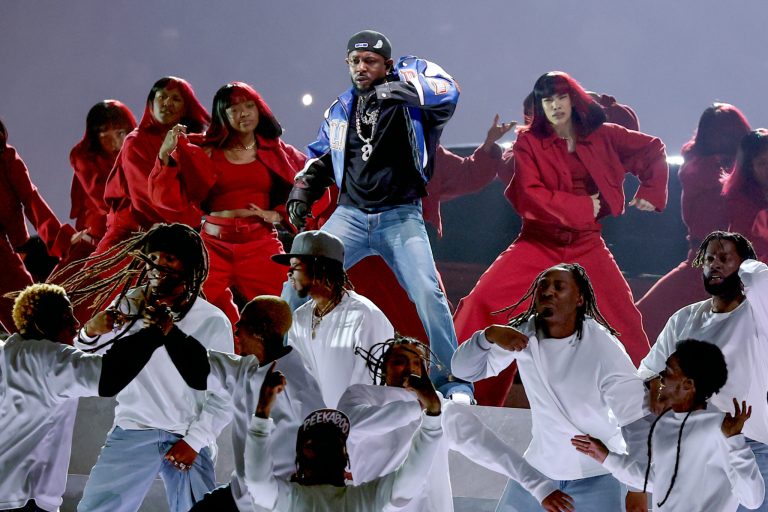
Photo (c) 2023 David Bergman www.DavidBergman.net Luke Combs 2023 World Tour Acrisure Stadium Pittsburgh, PA April 29, 2023
Understanding the political landscape of contemporary culture often requires a nuanced approach to figures who exist at the intersection of mainstream music and societal values. One such figure is Luke Combs, an influential American country music singer who has positioned himself as a unique voice within the genre. Unlike many of his contemporaries, Combs has taken a notable stance against strict political labels, instead emphasising a more universal approach to human rights. This article delves into his political views and public statements, as well as the broader implications of his stance on politics within country music.
Luke Combs: An Overview
Who is Luke Combs?
Luke Combs has emerged as a defining figure in the country music scene, known for his powerful voice, relatable lyrics, and engaging performances. Born on March 2, 1990, in Asheville, North Carolina, Combs began singing as a young boy. His blend of traditional and modern country has resonated with fans, making him one of the genre’s top-selling artists. Beyond music, Combs is known for his straightforward personality and candid opinions on various topics, notably human rights and political discourse, similar to other artists exploring their political identities.
How His Music Reflects His Values
Combs’ music often reflects themes of everyday life, love, and resilience. However, his forays into political discussions are equally revealing. In a time where many artists utilise their platforms to advocate for specific political ideologies or candidates, Combs has consistently maintained his distance from partisan politics. His approach invites a broader audience, encouraging listeners to focus on essential human rights over rigid political divides, much like the discussions surrounding figures in country music.
Political Views and Statements
A Non-partisan Approach
Combs has articulated his belief that voting should be a personal choice rooted in the protection of human rights. In various interviews, he stated, “I always have and always will cast my vote based on which candidate will protect and fight for the human rights I believe we all deserve.” This statement highlights a crucial aspect of his philosophy: the prioritisation of human rights over political alignment, mirroring sentiments found in broader political discussions such as those covered in Understanding Kano Politics.
Rejection of Political Labels
Interestingly, Combs has openly distanced himself from labels such as “liberal” or “conservative.” After making comments in support of social issues, particularly during the Black Lives Matter movement, he asserted, “I’m not liberal enough for liberals and not conservative enough for conservatives.” This candid admission points to the restrictive nature of political labels. It also showcases his desire to discuss the more nuanced aspects of human rights without being boxed into a specific political camp, a challenge echoed by many public figures.
The Complexity of Contemporary Culture
In an era often characterised by divide and extremism, Combs’ refusal to conform to strict political identities speaks to a broader cultural trend. Many people are increasingly frustrated with politicisation, especially when it crosses into domains where it may not be necessary, such as music. Reflecting on this sentiment, Combs stated, “No one’s calling Donald Trump and asking him how to write a song. No one’s calling A.O.C. and saying, how do I make my album better?” This humorous assertion illustrates how he perceives the intersection of art and politics and reinforces his belief that music should remain an independent form of expression, a perspective that resonates across various cultural discussions.
Key Public Moments in Luke Combs’ Political Journey
A Unifying Performance at the Grammys
One of the standout moments in Combs’ public career was his performance alongside Tracy Chapman at the Grammy Awards, where they performed “Fast Car.” This moment was not only significant because of its musicality but also because it represented a unifying act that cut across racial and generational divides. It served as a poignant message in a politically charged environment, where shared experiences can foster empathy and understanding.
Addressing National Political Divisions
Combs has also tackled themes related to political polarization in his original music. The song “The Great Divide” reflects on the discord in American society, recognising that division cannot be ignored. This kind of introspective music serves as a commentary on the current state of the nation, further solidifying his reputation as a thoughtful artist who acknowledges the complexities of societal issues, similar to artists featured in Dolly Parton Politics Explained.
Understanding the Political and Cultural Context
The Effect of Cancel Culture
Combs’ approach to his personal statements has sometimes drawn criticism, particularly concerning his historical use of Confederate flag imagery. In a world where cultural appropriation and representation are hotly debated topics, he has discussed the implications of cancel culture. By addressing these complexities, Combs illustrates how artists must navigate public sentiment, including backlash for past actions or statements, similar to how other public figures are also facing scrutiny.
The Role of Country Music in Politics
Country music has often held a mirror to societal values. However, the genre has also faced its own challenges regarding political identities. Many country artists do support certain political causes, while others prefer to retain neutrality. Luke Combs’ stance offers a refreshing perspective amidst a landscape that can often appear heavily polarised. His music and public statements encourage listeners to consider the importance of discussing issues such as human rights without the interference of partisan politics, a sentiment echoed in broader political discussions such as those found in Understanding American Politics News.
Practical Implications and Recommendations
Listening Habits in a Polarised Environment
As audiences become increasingly discerning, they often seek music that resonates with their values. This creates opportunities for artists like Luke Combs to bridge divides through their work. For fans, being open to different interpretations can encourage a richer understanding of the music and messages being shared. Music can serve as a powerful vehicle for promoting empathy and fostering social discourses, especially in turbulent times, a perspective highlighted in discussions around Carrie Underwood Politics.
Engaging with Artists on Complex Issues
Listeners should consider engaging with their favourite artists on social issues beyond just political structures. Combs’ candid discussions exemplify how artists can use their platforms to advocate for human rights. By recognising music as a source of dialogue, fans can better appreciate the subtleties of an artist’s journey and the messages they convey, fostering a similar environment seen in other artistic movements.
Initiating Conversations
It is vital for individuals to engage in conversations about the themes present in artists’ works. Luke Combs encourages discussions centered on human rights rather than political affiliations. This focuses on common ground where diverse perspectives can converge, allowing for meaningful exchanges. Fans of all walks of life can appreciate the importance of human rights advocacy without necessarily subscribing to a single political ethos.
Conclusion
The dialogue instigated by artists like Luke Combs helps to navigate the complexities of modern societal issues. Through music that addresses human rights without diving into partisan politics, Combs promotes a vision of unity and empathy. His disdain for rigid political labelling and his emphasis on meaningful issues resonate with many listeners and reflect a growing sentiment of desiring understanding in a divided world.
Ultimately, the importance of human rights transcends political affiliations, and Combs’ journey serves as a reminder to focus on what binds us together rather than what divides us. As we navigate contemporary culture, let us remain open to different perspectives and recognise the power of music to act as a catalyst for understanding and change.
About The Author