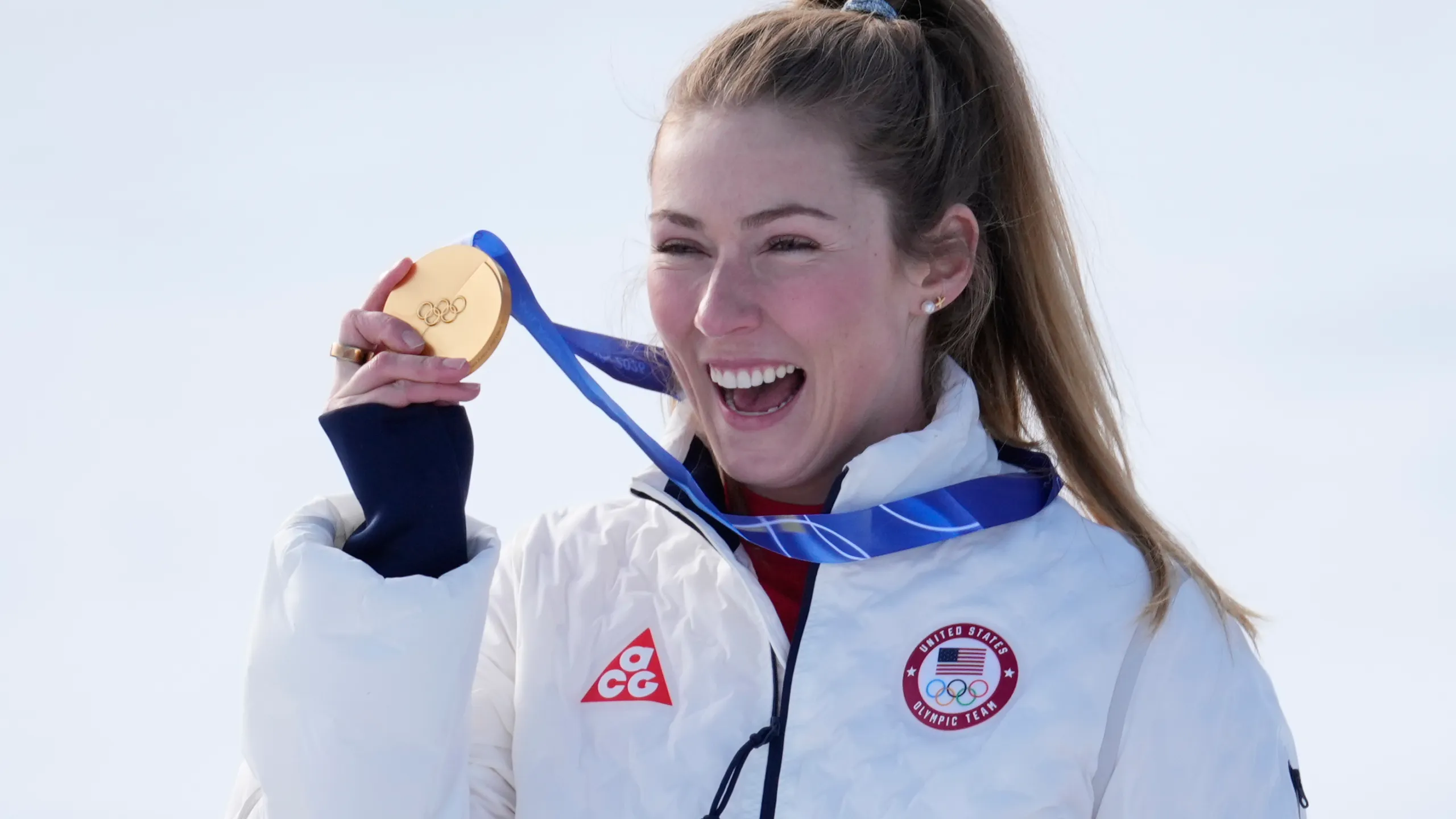
Mikaela Shiffrin, a prominent figure in Olympic alpine skiing, has recently raised important discussions about political expression within the context of the upcoming 2026 Milan-Cortina Winter Games. As she competes on an international stage, her reflections on the current U.S. political climate resonate not only with her personal experiences but also with a larger movement among Olympic athletes who are gradually asserting their rights to express political viewpoints. This article explores the implications of Shiffrin’s remarks, the surrounding context among U.S. athletes, the mechanisms governing political expression within the sports arena, and what this might mean for future global sporting events.
The 2026 Winter Olympics are set to be a significant gathering of athletes from around the world, yet the atmosphere is increasingly complicated by the ongoing political divides in the United States. Shiffrin has publicly articulated her concerns regarding how her identity as an American and her role as an athlete intersect with political discourse in the U.S. Her readiness to share written remarks with reporters demonstrates her commitment to addressing these divisions, suggesting a willingness among athletes to tackle uncomfortable subjects head-on, thereby enacting potential changes in how sport and politics interact.
Mikaela Shiffrin’s sentiments have found resonance among her fellow competitors in Italy. The atmosphere at the Games has sparked discussions on the responsibilities that athletes have as representatives not just of their country’s sporting prowess, but also of its values. Such reflections include the idea that being an athlete entails embodying principles of inclusivity and compassion—values that may contrast sharply with the prevailing political practices or sentiments in the U.S. at present.
The following section elaborates on the context of Shiffrin’s remarks by examining the statements of other U.S. athletes who have also chosen to express their thoughts about politics during the Games.
Voices of Change: Political Expression by U.S. Athletes
The Winter Games have become a platform for a variety of athletes to articulate their feelings about the political environment they represent. The perspectives shared by these individuals illustrate a growing trend among U.S. athletes to speak out, asserting that their voices can contribute to significant dialogues surrounding identity, values, and societal issues. Notable athletes indicating dissatisfaction with the current political climate include:
- Hunter Hess, a freestyle skier, recently expressed mixed feelings about his role as a representative of the U.S. and faced backlash from President Trump on social media, illustrating the challenges accompanying political discourse.
- Amber Glenn, a figure skater and LGBTQ rights advocate, made public statements declaring that “politics affect us all,” highlighting the interconnectedness of athletic performance and societal issues.
These examples showcase the significant emotional impact that representing one’s country can have, especially when under the scrutiny of the public eye and its complex social dynamics. The willingness of these athletes to be vocal about their stances indicates that contemporary sports culture may be evolving towards greater acceptance of political expression.
The Legal Framework Surrounding Political Expression
Understanding the legal backdrop that shapes political expression among athletes is crucial to assessing the implications of statements made by public figures like Shiffrin and her peers. In contrast to previous Olympics, where strict regulations governed athlete speech, recent events suggest that there may be increasing leniency in allowing personal expression.
Mechanisms Affecting Political Speech
In the UK, while athletes have the right to express political sentiments, guidelines established by governing bodies can impose certain restrictions. Within the framework of the International Olympic Committee (IOC), the following points need consideration:
-
Rule 50 of the Olympic Charter specifically prohibits political, religious, or ethnic propaganda in Olympic venues, aiming to maintain neutrality during the Games. However, there have been ongoing discussions concerning the interpretation of this rule in light of athletes’ rights to free speech and personal expression.
-
On a national level, UK sports authorities such as UK Sport support athletes’ rights to express views but also advocate for the need to respect the spirit of competition and the Olympic ethos.
-
Recognising the changing landscape of athlete activism, several sports federations have begun to reassess their regulations, indicating a potential shift towards more lenient governance regarding political issues, and creating room for athletes to vocalise their opinions without fear of repercussions.
Signs of Changing Attitudes
As sports practices evolve, there is a growing recognition that athletes are influential public figures, and their voices can amplify messages of social justice, equality, and political awareness. Events such as the 2020 Tokyo Olympics showcased various instances of athletes protesting or highlighting issues, indicating a pioneering step toward normalising political expression on the global stage. Such actions have prompted dialogue about how personal beliefs influence athletic identity and the responsibilities accompanying such visibility. Further discussions around this topic can be found in our article on Understanding Kano Politics: Key Insights into Governance and Electoral Structures in Nigeria (https://www.mypoliticalhub.com/2026/01/01/kano-politics-electoral-system/).
The implications of political expressions during the Olympics stretch beyond mere remarks; they represent shifting paradigms within the realms of sport and societal engagement. Political expressions can serve as catalysts for community and social change—an idea that many athletes are increasingly embracing.
Who is Affected?
The ongoing discourse surrounding political expression at the Olympics affects various stakeholders, including:
- Athletes, who seek to navigate the landscape of personal expression while representing their nations.
- Governments and sporting bodies, who may face pressure to either endorse or silence athlete expressions, impacting their broader political agendas.
- Fans and spectators, who are increasingly drawn to narratives of social justice and can rally around causes championed by athletes, further influencing cultural shifts.
It is evident that the current political climate has invited scrutiny and analysis from diverse audiences, requiring a delicate balancing act from athletes like Shiffrin as they articulate their beliefs amid broader social expectations.
Recommendations for Athletes and Governing Bodies
Given this context, it is vital for both athletes and the governing bodies to adopt a forward-looking attitude towards political expression and its implications. Below are some recommendations aimed at encouraging constructive dialogue:
For Athletes
-
Athletes should feel empowered to express their views, while being mindful of the repercussions such expressions may entail. Engaging in dialogue about political issues not only enriches the overall narrative of athletic competitions but also provides authenticity to their representation.
-
Consider forming alliances with advocacy groups to leverage collective voices, thus amplifying messages and minimising the risks tied to individual statements. Such collaboration can foster a more significant impact for socially resonant causes. This can draw parallels to discussions found in our blog about What is ED in Politics? A Comprehensive Guide to Its Multiple Meanings in Government (https://www.mypoliticalhub.com/uncategorized/what-is-ed-in-politics/).
For Governing Bodies
-
National and international sporting organisations must evaluate their policies governing athletes’ rights, considering the need to adjust regulations that restrict personal expression. Making room for political discourse enhances athlete support systems and nurtures the ideas of inclusivity and understanding.
-
Establish forums for open dialogue where athletes and governing bodies can engage collaboratively on matters of political expression. Creating platforms dedicated to discussing these issues can strengthen relationships and broaden the scope of acceptable expressions in sports.
Summary
Mikaela Shiffrin’s choice to address political issues during the 2026 Olympics reflects a growing belief among athletes that they can no longer remain neutral in an increasingly divided world. By using their platform to highlight pressing issues within society, athletes contribute to a broader dialogue that transcends sports, challenging audiences to reflect on the deeper implications of cultural representation.
The dynamic at play during the 2026 Winter Games underscores a shift towards embracing political expression as an integral part of an athlete’s identity. As this trend develops, it invites further analysis of the intersecting realms of sports, politics, and social values that form part of the modern Olympic experience.
By fostering an environment that encourages dialogue and acceptance, both athletes and governing bodies can contribute to a more inclusive and representative Olympic Movement, where the expression of political viewpoints is made part of the narrative rather than sidelined entirely.
About The Author