Rob Schneider: Career Overview, Public Controversies, and Media Appearances
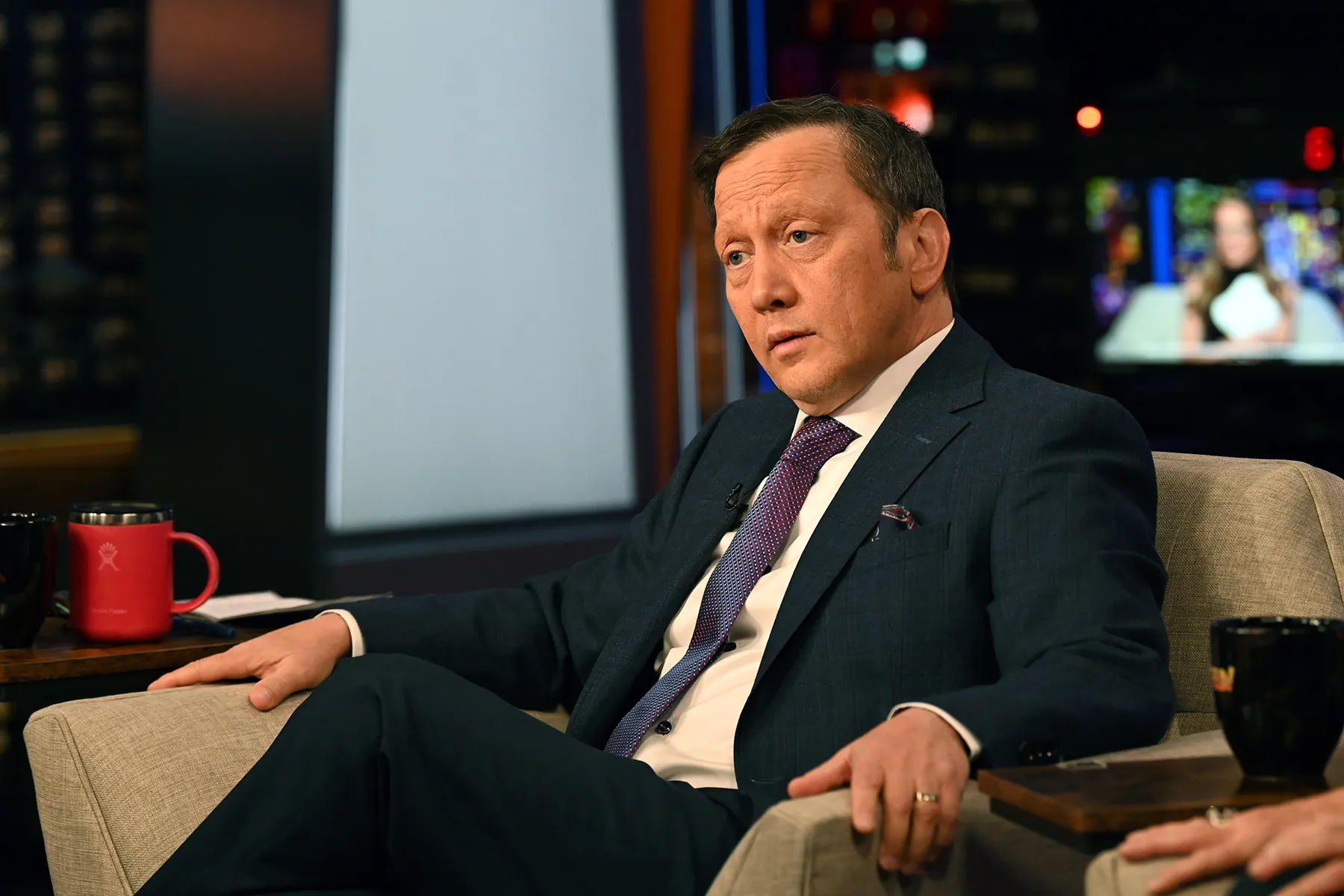
Rob Schneider, born on 31 October 1963, is an American actor, comedian, screenwriter, and director best known for his tenure on Saturday Night Live (SNL) and his subsequent work in Hollywood comedy films. Over the course of more than three decades, Schneider has become a familiar face in modern American comedy, drawing both praise and criticism for his performances and personal views.
Though he has been vocal in media platforms relevant to UK audiences, notably through GB News appearances, available research demonstrates no legal or regulatory implications involving Schneider in the United Kingdom. Accordingly, this article focuses on presenting a factual, comprehensive overview of Rob Schneider’s career, public reputation, and notable political and social commentary, especially as perceived in English-speaking western media.
Understanding Rob Schneider: Who Is He?
Rob Schneider began his comedy career through stand-up gigs across California before catching national attention as a performer and writer on NBC’s Saturday Night Live from 1990 to 1994. During this time, he created notable characters such as the “Richmeister” and earned three Primetime Emmy Award nominations. His quirky style and ability to portray eccentric personas carved his niche in American sketch comedy.
Post-SNL, Schneider transitioned into films, particularly as a staple in Happy Madison Productions, a company owned by fellow comedian and longtime collaborator Adam Sandler. He became widely recognised for starring in comedic films such as Deuce Bigalow: Male Gigolo, The Hot Chick, and The Animal. These roles often portrayed oddball protagonists navigating absurd circumstances, consistent with his hallmark comedic style.
Beyond screen acting, he has also made forays into music, live comedy albums, and stand-up tours, including international performances. A notable point in his career was the 2008 release of Big Stan, Schneider’s directorial debut, in which he also played the lead character.
Career Timeline and Key Milestones
Rob Schneider’s career spans stand-up comedy, sketch television, film acting and directing, as well as controversial political commentary. Below is a structured view of significant milestones in his professional life.
| Year | Event | Details |
|---|---|---|
| 1990 – 1994 | Saturday Night Live | Cast member; created iconic sketches and received three Emmy nominations. |
| 1999 – 2002 | Film Success | Starred in several Happy Madison productions including *Deuce Bigalow* and *The Hot Chick*. |
| 2008 | Big Stan | Directorial debut; played a con artist preparing for prison life through martial arts. |
| 2010 | Comedy Album Release | Released *Registered Offender*, a mixture of comedy sketches and songs. |
| 2024 | Stand-Up Controversy | Faced backlash for transphobic material at a Regina performance; criticised by local hospital foundation. |
This progression showcases Schneider’s evolution from sketch show performer to independent film director and outspoken cultural critic. His most recent engagements lean more towards politicised discourse and cultural commentary, which have garnered divided reception. His trajectory is reminiscent of other figures in entertainment who shifted from mainstream success to outspoken political positions, similar to what’s discussed in the exploration of Winston Marshall’s politics after his departure from Mumford & Sons.
Mechanism of Public Influence: How His Views Spread
In recent years, Rob Schneider has moved into more overt social and political commentary. These views are transmitted across a variety of channels, including:
● Social media (particularly X, formerly Twitter)
● Television appearances (e.g., GB News and Good Morning Britain)
● Interviews and podcasts
● Comedy performances (live shows and online content)
Schneider’s commentary resonates most significantly among audiences in the United States but occasionally permeates UK discourse due to his provocative statements, especially when appearing in UK-based outlets like GB News.
He has public platforms enabling wide reach, which he often uses to advocate for controversial positions. His claims that conservative entertainers are blacklisted in mainstream Hollywood, and that Western societies are heading into a ‘free speech endgame’, have become more frequent and stark. For deeper context on the divergence in free speech interpretations between the UK and U.S.—especially in relation to Rob Schneider’s remarks—it’s helpful to examine Rob Schneider and UK Free Speech: Legal Reality vs. Media Narrative.
Notable Controversial Statements and Public Reactions
Rob Schneider has been involved in multiple public controversies related to his political stances. These often attract criticism, particularly from health authorities, LGBTQ+ advocacy groups, and media watchdogs. Key topics include:
● Vaccination Policies
Schneider publicly opposed California’s Assembly Bill 2109 and Senate Bill 277 in the 2010s. These bills aimed to limit non-medical exemptions for childhood vaccines. He argued for “medical freedom,” participating in rallies and campaigns urging state officials to reject such legislation.
● Conservative Representation in Media
Schneider claims that his conservative views led to the decline of offers for starring roles in Hollywood. He has pushed for networks to consider “a conservative The View”, although those proposals reportedly failed.
● Free Speech in the UK
In appearances on GB News and other UK outlets, Schneider has alleged that British authorities risk undermining free speech by regulating online platforms and permissible discourse. He has cited examples like criticism of public figures and humour restrictions as evidence of democratic backsliding. A similar critique of free speech culture within celebrity circles can be seen in our breakdown of Ricky Gervais’s politics, where comedic boundaries and backlash are recurring themes.
● LGBTQ+ Insensitivity
In 2024, Schneider faced public backlash and was booed during a stand-up show in Regina, Saskatchewan, for using material considered transphobic. The hosting venue’s partner organisation issued an apology and clarified a lack of affiliation with Schneider’s views.
Who Pays Attention: Audiences and Public Response
Schneider’s content appeals most notably to audiences interested in anti-establishment or right-leaning commentary. These include:
● Older fans who enjoyed his work during the 1990s and early 2000s.
● Conservative audiences in North America.
● Free speech proponents in Western countries reacting against perceived censorship.
● Online platforms sympathetic to countercultural media figures.
At the same time, he is widely criticised by progressive audiences, public health advocates, LGBTQ+ support groups, and mainstream media outlets for perpetuating views considered regressive or harmful.
Several Canadian and US publications, including Los Angeles Blade and The AV Club, have noted his increasing irrelevance in mainstream circles, identifying his political stances as isolating. In the United Kingdom, presenters and journalists have challenged his perspectives on respecting political discourse and legal thresholds, especially concerning online harms and misinformation. This pattern of polarised attention is paralleled in cultural figures like Scott Adams, whose shift from comic fame to contentious commentary has drawn similar scrutiny and debate.
UK Legal and Regulatory Framework: Context, Not Connection
While Schneider’s free speech warnings and social commentary have drawn attention in British media, it’s important to differentiate between interpretation and implication. There is no legal, regulatory, or administrative proceeding involving Rob Schneider in the UK.
Still, to understand the regulatory environment he critiques, the following UK legal instruments and responsible organisations are worth outlining:
| UK Law or Framework | Purpose | Enforcing Body |
|---|---|---|
| Public Order Act 1986 | Prohibits hate speech involving race, religion or sexual orientation. | Police, Crown Prosecution Service |
| Communications Act 2003 | Outlaws grossly offensive or indecent online communications. | Ofcom, Crown Prosecution Service |
| Online Safety Act 2023 | Requires tech companies to regulate harmful content on platforms. | Ofcom |
These legal mechanisms aim to balance free speech with protection against harmful content. Although Schneider critiques them, there is no evidence suggesting any violation or involvement by Schneider in UK governmental or legal processes. A broader explanation of how such regulation fits into global political trends can be found in New World Order Politics Explained, which explores surveillance, governance, and control concerns from multiple angles.
Response Strategies: How Audiences and Platforms Act
Public reaction to Rob Schneider’s work and views reflects the broader polarisation in media consumption. For platforms, event organisers, and media outlets considering association with such figures, the following precautionary steps are advised:
● Conduct risk assessments prior to booking speakers or artists with controversial reputations.
● Clarify affiliations when public backlash arises, particularly among nonprofits or health institutions.
● Respect legal thresholds on harmful communication, especially under UK law.
● Encourage diverse opinion while protecting minority rights and public discourse standards.
● Foster media literacy to help audiences differentiate between opinion, misinformation, and satire.
For individuals consuming Schneider’s content, it’s important to apply critical scrutiny, examine sources, and consider multiple viewpoints, rather than absorbing soundbites or social media posts at face value.
While Rob Schneider remains active online and on stage, his voice in cultural discourse is increasingly controversial, especially outside of comedy’s traditional parameters.
Rob Schneider exemplifies the intersection of celebrity, politics, and comedic media in the digital age. His transition from popular sketch comic to culture critic invites consideration of how fame interacts with activism, particularly when opinions counter conventional norms.
Though his recent comments may attract media attention in the UK, there is no formal case, legal action, or regulatory implication tying Schneider to UK laws or governance. Accordingly, audiences and media should treat his positions as opinion-based commentary, not as legal or policy examples within UK frameworks.
As with any public figure engaging with sensitive or divisive topics, Rob Schneider’s influence is both magnified and constrained by the platforms hosting him. Whether one agrees with his politics or not, his evolution underscores how entertainers can shift into social commentary, often with polarising results. The best course for observers is to stay informed, consider factual context, and understand the broader frameworks in which these discussions occur.
About The Author