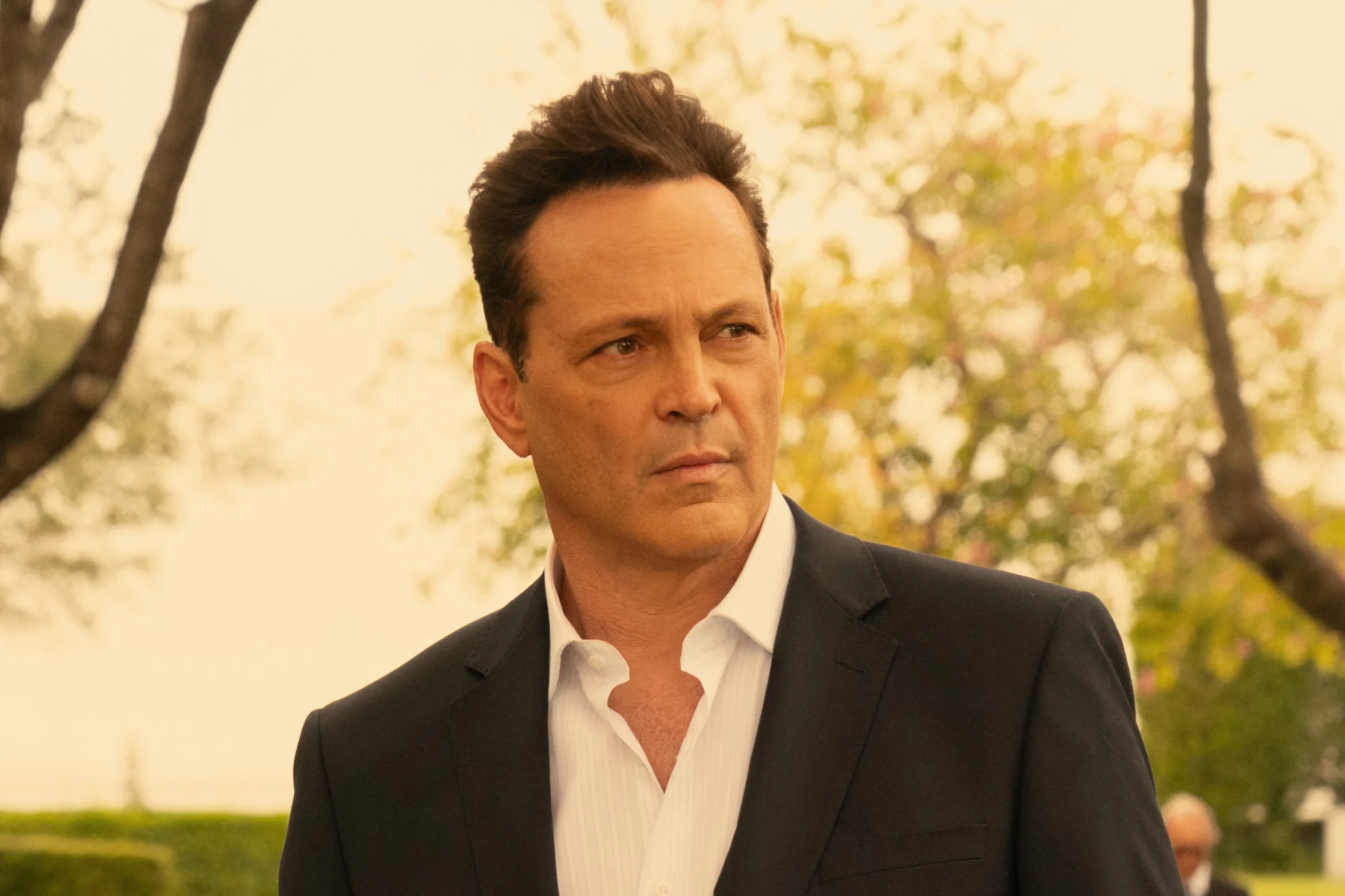
Vince Vaughn, a prominent American actor, producer, and comedian, is particularly recognized for his roles in popular films such as Wedding Crashers and Old School. Over the years, he has carved out a unique niche in Hollywood, not just in terms of comedic talent, but through his distinct political views. His libertarian stance places him at a distance from the mainstream political affiliations present within the entertainment industry, particularly the predominantly centre-left environment of Hollywood.
What stands out in Vaughn’s political narrative is his focus on individual liberty and self-sufficiency. By identifying as a libertarian, he aligns himself with principles that emphasise personal autonomy and minimal government intervention.
Political Views and Public Statements
Vaughn has been open about his political beliefs, setting himself apart from both the Democratic and Republican parties. Many of his public statements reflect a libertarian ideology, promoting the idea that individuals should have the freedom to make choices without excessive governmental interference.
Key positions that illustrate his libertarian beliefs include the following:
-
Support for Ron Paul: Vaughn publicly endorsed Ron Paul during the Republican primaries in 2008 and 2012, solidifying his connection to the libertarian roots of the party. His support continued with endorsement for Rand Paul in the 2016 election, showcasing his consistency in backing candidates who promote limited government. This is particularly relevant in discussions around figures like Scott Adams and his controversial journey from Dilbert creator to a polarizing commentator (Who is Scott Adams in Politics? Exploring the Controversial Journey from Dilbert Creator to Polarizing Commentator).
-
Opposition to Gun Control: In June 2015, Vaughn voiced his concerns about gun control measures and expressed a controversial viewpoint on arming schools with firearms. This stance is in alignment with his belief in personal responsibility and the right to self-defence, a core aspect of libertarian philosophy.
-
Collaboration with Glenn Beck: Vaughn’s collaboration with conservative commentator Glenn Beck on a documentary series further indicates his alignment with right-leaning libertarian ideals, positioning him within the broader narrative of individual freedoms. This aspect of celebrity engagement mirrors discussions around figures like Ricky Gervais, who navigates his own political landscape while maintaining his comedic roots (Ricky Gervais Politics Explained: A Deep Dive into His Liberal Roots, Free Speech Views, and Anti-Woke Critiques).
Through these actions and statements, Vince Vaughn has established himself as a proponent of a philosophy that prioritises self-sufficiency and personal liberties, demonstrating a clear divergence from the more common liberal sentiments proliferating in the entertainment industry.
His more recent rise in political visibility coincides with a shift in his Hollywood career. As the industry moved away from mid-budget adult comedies, Vaughn’s career took on a different trajectory. This fading mainstream presence could well be a catalyst for his increased political engagement, as his films and commentary resonate with audiences that appreciate his libertarian take on contemporary issues.
Career and Thematic Connections
Vaughn’s cinematic body of work often explores themes of change, identity, and resistance to societal expectations, intricately tied to his political ethos. Several of his films depict characters grappling with their own identities and choices amid changing social landscapes.
Films such as The Break-Up and Wedding Crashers portray characters that experience societal pressures while simultaneously valuing autonomy and personal choice. These narratives echo libertarian themes, highlighting the tension between individual desires and societal expectations. The protagonists often find themselves in situations where their autonomy is compromised, leading to crises that necessitate assertive self-determination.
Despite his outspoken nature, it is noteworthy that Vaughn has not engaged in formal politics, such as actively running for public office. His public persona continues to be intertwined with entertainment rather than political activism, even as his views gain attention in the context of broader societal dialogues.
UK Legal Framework, Authorities, and Political Implications
While Vince Vaughn’s political outlook is founded within the United States, examining how his views might intersect with the UK’s political landscape reveals some intriguing contrasts. However, there are no significant connections between his libertarian beliefs and the established political framework in the UK. The country’s political dynamics differ markedly from the American context, especially concerning political parties and civil liberties.
In the UK, the Electoral Commission regulates political party funding and campaigning. The protections offered to individual expressions by celebrities like Vaughn carry a different cultural weight in the UK than in the US, where freedom of speech is often viewed through a distinctly American lens.
A study of relevant UK laws such as the Political Parties, Elections and Referendums Act 2000 would further demonstrate the contrasts between American and British political paradigms. The Act provides a regulatory framework for how parties operate, expects transparency in funding, and outlines campaign conduct—considerations that are particularly salient when discussing celebrity endorsements, much like the discussions around protectionism and how different contexts shape public policy (Understanding Protectionism in the UK: Key Policies, Legal Frameworks, and Economic Impacts).
Vaughn’s activities do not reflect any engagement with UK political systems, highlighting the limitations of the examination of his political stance from a British perspective. Research into Vaughn’s public sentiments indicates a strong U.S. centricity, with no evident implications for UK audiences or policy discourse.
Risks, Changes, and Practical Implications
There are inherent risks associated with the public expressions of celebrities when it comes to politics, particularly when they diverge from the political mainstream. As public discourse has increasingly polarised, individuals, including Vaughn, may find themselves at risk of backlash based on their stances.
In the UK, celebrity endorsements of political causes may provoke mixed reactions. This is complicated by the more regulated political environment where individual voices may not carry the same gravitas or public appeal as they do in the United States.
Moreover, as industries evolve and public interest shifts, the landscape for political engagement by public figures will continue to change. This could affect how individuals like Vaughn navigate their identities as both celebrities and political participants.
Understanding the practical implications of such engagement involves recognising both the opportunities and pitfalls of celebrity political advocacy. Individuals in the public eye must weigh the potential for influence against the risks of alienation from various audience segments and backlash.
Recommendations for Engaging with Political Discourse
For those interested in the intersection of celebrity culture and politics, it is essential to consider the following recommendations:
-
Educate Yourself on Political Structures: Engage with the workings of political frameworks, both in the UK and internationally. Understanding how policies are developed, and political boundaries can influence public opinions significantly.
-
Examine Historical Contexts: Study how public figures have influenced political change and how their endorsements or critiques have altered public perceptions over time. This historical lens can provide insights into modern-day political engagement.
-
Remain Open-minded: While it’s easy to be swayed by current narratives, ensure that your understanding of the issues is multi-faceted. Engage with varying viewpoints to develop a well-rounded perspective on political discourse.
-
Participate in Discussions: Create or join forums and discussions that focus on political implications tied to celebrity culture. This collective dialogue can foster a community of individuals interested in both the arts and political conversations.
By keeping these recommendations in mind, individuals can engage more thoughtfully with political topics, leading to a deeper understanding of the complexities involved.
Vince Vaughn’s unique position within the entertainment industry as a vocal libertarian serves as a reminder of the varied ideological landscapes in public discourse. His themes of autonomy and self-sufficiency resonate not just in his filmography but serve as a lens through which broader societal debates can be examined. As individuals navigate the complexities of political engagement and personal beliefs, the intersections between celebrity influence and political identity remain a dynamic area of exploration. Understanding this dynamic could foster more informed, thoughtful political engagements in both the US and the UK.
About The Author