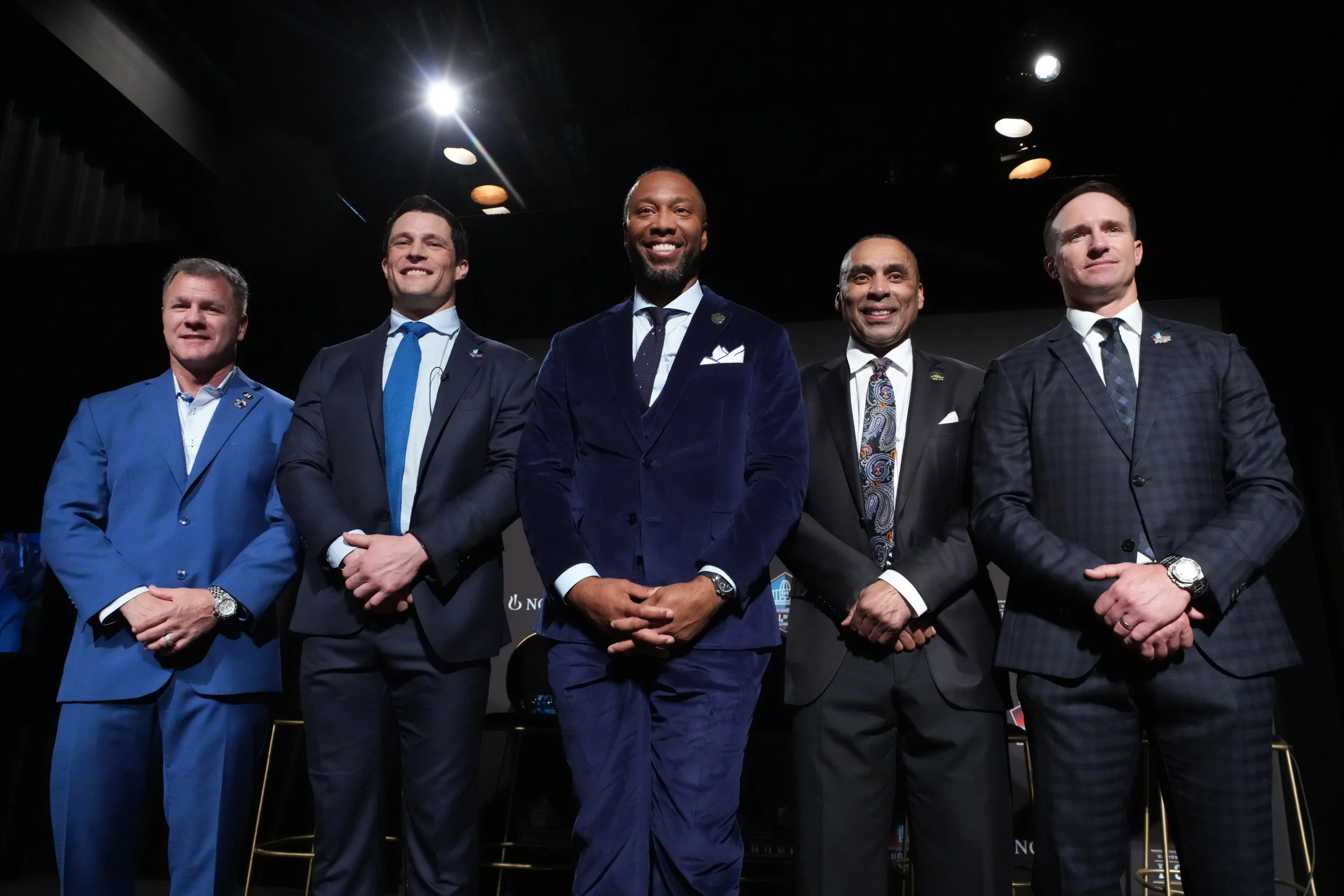
Larry Fitzgerald, a retired NFL wide receiver known for his exceptional career with the Arizona Cardinals, has made a significant mark in sports and philanthropy. While his professional achievements both on and off the field are widely celebrated, his political involvement remains a topic of scrutiny and interest. As a Pro Football Hall of Famer set to be inducted in 2026, Fitzgerald’s relatively limited participation in politics offers a unique case study. In this article, we will delve into the nuances of Fitzgerald’s political activities, his relationships with influential figures, and the media coverage surrounding his engagement in the political sphere.
Understanding Larry Fitzgerald’s Political Engagement
What It Is
Larry Fitzgerald’s political engagement can be characterized primarily by his personal relationships, attendance at significant political hearings, and his role in encouraging civic participation. Although he does not have a documented history of engaging in politics in the traditional sense, his actions reflect a commitment to promoting democratic values, particularly concerning voting rights.
How It Works
Fitzgerald’s involvement in politics is primarily indirect. He prefers to cultivate relationships with political figures rather than pursue formal political activities. He has demonstrated a keen interest in civic issues, working towards encouraging voter participation without endorsing specific candidates or political parties. The emphasis on civic engagement highlights how individual actions can address communal issues, a theme also central to our exploration of what is ED in politics? and its diverse meanings.
Definitions
- Civic Engagement: This refers to individual and collective actions designed to identify and address issues of public concern. Fitzgerald embodies this through his public statements and actions aimed at increasing voter turnout and awareness.
- Political Influence: While Fitzgerald does not directly run for political office, his friendship with prominent political leaders illustrates a different form of influence.
Mechanism of Engagement
The mechanism of Fitzgerald’s political engagement can be understood through key moments in his life where he has aligned himself with political happenings. Here are some focal points of his political journey:
-
Friendship with John McCain: Fitzgerald shared a close bond with the late Senator John McCain, a significant figure in Arizona politics and U.S. history. This association brought him closer to political discourse and facilitated insights into governance and civic responsibility. This interaction mirrors the broader narrative found in understanding Kano politics that explores how personal relationships can influence governance on a larger scale.
-
Federal Reserve Hearing: Fitzgerald’s attendance at the Senate hearing for Kevin Warsh, a candidate nominated by President Trump to chair the Federal Reserve, highlights his interest in significant economic discussions and the intersection of sports with national issues.
-
Voter Encouragement: Through the NFL’s Inspire Change initiative, Fitzgerald urged Americans to vote, marking a crucial aspect of his approach towards civic involvement.
By analysing these components, we can better understand Fitzgerald’s approach to politics – one rooted in influence, encouragement, and meaningful relationships.
Key Political Activities and Associations
Fitzgerald’s political involvements can be grouped into three main categories: personal relationships, attendance at notable hearings, and voter outreach initiatives.
Friendship with John McCain
Fitzgerald’s association with John McCain is perhaps the most notable aspect of his political engagement. As a close friend of McCain, Fitzgerald was deeply involved in various community and political events related to the senator. Their friendship was publicly recognised when Fitzgerald spoke at McCain’s memorial service on August 30, 2018, in Phoenix. This association is not solely about personal friendship; it represents a merging of sports and politics, showcasing how athletes can influence broader societal issues.
Attendance at Federal Reserve Hearing
In 2025, Fitzgerald made headlines for attending a U.S. Senate hearing concerning Kevin Warsh, nominee for the position of Chair of the Federal Reserve. His presence at such a high-profile political event illustrated his interest in economic matters and highlighted the growing ties between sports figures and national policy discussions. Reports from various news outlets such as FOX 10 Phoenix covered this event, significantly bringing Fitzgerald’s political interest to public attention.
Voter Encouragement
Fitzgerald’s role in motivating Americans to participate in the democratic process is perhaps the most significant aspect of his political involvement. Through the NFL’s Inspire Change initiative, he advocated for voter registration and participation without aligning himself with any particular political party or candidate. This commitment to civic duty exemplifies how athletes can serve as non-partisan advocates for democratic engagement.
Key Political Activities Summary
To encapsulate Fitzgerald’s political involvement, here’s a summary of the activities discussed:
| Activity | Description | Year |
|---|---|---|
| Friendship with John McCain | Spoke at McCain’s memorial service | 2018 |
| Federal Reserve Hearing Attendance | Attended U.S. Senate hearing for Kevin Warsh | 2025 |
| Voter Encouragement | Urged Americans to vote through NFL initiative | Ongoing |
Analysis of Key Activities
Larry Fitzgerald’s political activities communicate a nuanced understanding of civic responsibility without direct political involvement. His connection with McCain signifies a bridge between sports and politics, underscoring how influential figures can impact public discourse. Also, through being present at a significant policy discussion and advocating for voter engagement, Fitzgerald represents a model for other athletes seeking to utilise their platforms for broader societal impact.
While his approach is non-partisan, it nonetheless demonstrates how sport and political realms can intersect. Fitzgerald’s engagements encourage a conversation about the role athletes can play in civic participation and the importance of encouraging voter turnout as a fundamental democratic principle. This dialogue is also reflected in the context of what is the Insurrection Act in politics, where understanding civic responsibilities and political actions can be critical.
Who Is Affected?
Although Fitzgerald’s political involvement centres around U.S. issues, the implications of his actions resonate beyond American borders. His stance on encouraging civic engagement speaks to a global audience, as voter apathy remains significant in many democracies, including the United Kingdom.
Audience Impact
Fitzgerald’s influence extends to various demographics, including:
-
Young Voters: As a role model, Fitzgerald appeals to younger audiences who may feel disillusioned about the political process, underscoring the importance of their participation in shaping the future.
-
Sports Communities: Athletes have substantial followings; when they advocate for voter engagement, they can galvanise fans and communities to take action.
-
Politically Engaged Citizens: By attending hearings and engaging with political figures, Fitzgerald creates a dialogue that can elevate community interest in political processes.
By taking on a civic-minded role, Fitzgerald represents a new wave of athletes who leverage their influence to promote social good and engage the public in vital democratic processes.
Recommendations for Civic Engagement in Sports
The example set by Larry Fitzgerald serves as an important framework for athletes looking to engage in civic and political matters. Here are some recommendations based on his approach:
Create Associations
Athletes can build relationships with political figures that share similar values. Establishing these connections can lead to collaborative efforts aimed at improving community welfare.
Public Advocacy
Sporting figures should use their platforms to advocate for meaningful causes, particularly voter engagement. Non-partisan initiatives can bridge divides and promote healthy civic participation.
Maintain Non-Partisanship
To appeal to a wider audience, athletes like Fitzgerald can focus on promoting civic engagement rather than endorsing specific candidates or political parties. This ensures that their message resonates across diverse voter bases.
Engage in Community Service
Active involvement in community service can build a reputation that fosters trust and encourages political participation. Philanthropic efforts that focus on youth empowerment and education can create a foundation for civic involvement. This is similar to the vital discussions surrounding the politics of community service explored in our narrative on Dolly Parton politics.
Key Insights on Fitzgerald’s Political Involvement
Larry Fitzgerald’s limited but impactful political involvement serves as a model for leveraging influence in meaningful ways. Although his direct engagement with politics is minimal, his commitment to encouraging voter participation and alliances with significant political figures demonstrate how athletes can contribute positively to civic life.
Furthermore, Fitzgerald’s activities open a dialogue about the delicate balance between sports and politics, especially in a time when athletes are increasingly expected to take stances on socio-political issues. By prioritising non-partisan engagement, Fitzgerald sets a precedent for how sports figures can encourage vital participation in democratic processes without alienating segments of their audience.
In summary, Larry Fitzgerald’s forays into political engagement, while limited in nature, represent a potent means of advocacy that transcends traditional political boundaries. Through his actions, he promotes a community focused on civic duty, making strides toward a more engaged and informed populace. The importance of mentorship and advocacy in civic matters cannot be overstated, and Fitzgerald exemplifies this notion through his careful approach to public life.
About The Author